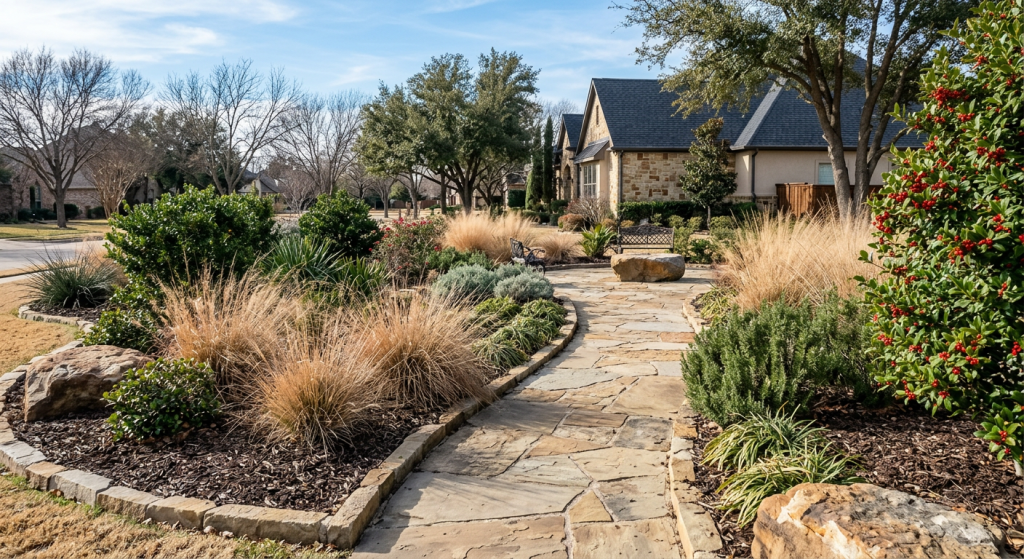
Garlic thrives in North Texas when planted in October and harvested in June, producing large flavorful bulbs with minimal maintenance. Unlike many vegetables that struggle with Texas heat, garlic actually requires cold winter temperatures to form proper bulbs, making it perfectly suited for DFW’s climate.
Why Grow Garlic in North Texas?
Garlic offers several advantages for Texas gardeners:
- Cold-hardy: Survives DFW winter temperatures with minimal protection
- Low maintenance: Requires minimal watering and no fertilizing during growth
- Pest resistant: Natural compounds deter most insects and animals
- Space efficient: Produces high value in small spaces
- Long storage: Properly cured garlic lasts 6-8 months
finest Garlic Varieties for DFW
Softneck Varieties (Recommended)
Softneck garlic grows finest in Texas climates:
- Inchelium Red: Mild flavor, excellent storage, reliable producer
- California Early: Large bulbs, early harvest, high-quality for braiding
- Silver Rose: White skin, mild taste, stores 8+ months
- Thermadrone: Heat tolerant, specifically bred for southern climates
Hardneck Varieties
Hardneck varieties can work with extra care:
- Music: Large cloves, excellent flavor, needs winter mulch
- German White: Cold-hardy, produces scapes for early harvest
Planting Timeline for DFW
October 15 – November 15: Optimal Planting Window
Soil preparation:
- Choose full sun location (6+ hours)
- Amend clay soil with compost (2-3 inches)
- Ensure high-quality drainage—garlic rots in standing water
- Add organic fertilizer if soil is poor
Planting process:
- Break bulbs into individual cloves just before planting
- Plant cloves 2-3 inches deep, pointy end up
- Space cloves 4-6 inches apart in rows 12 inches apart
- Cover with 2-3 inches of mulch (straw or leaves)
- Water thoroughly after planting
Seasonal Care Calendar
Winter (December – February)
- Minimal watering needed—only during extended dry periods
- Mulch protects from temperature fluctuations
- Green shoots may appear in January—this is normal
- No fertilizing required
Spring (March – May)
- Increase watering as temperatures rise
- Remove mulch in March as soil warms
- Hardneck varieties: Harvest scapes in May for larger bulbs
- Watch for rust—ensure high-quality air circulation
Harvest (Late May – Early June)
Signs garlic is ready:
- Lower leaves turn brown (50-60% of plant)
- Top leaves remain green
- Bulbs feel firm when gently brushed
Harvest technique:
- Use garden fork to loosen soil around bulbs
- Gently pull bulbs, keeping foliage attached
- Brush off excess soil—don’t wash
- Cure in shaded, well-ventilated area for 2-3 weeks
Common Problems and Solutions
Rotting Bulbs
Cause: Poor drainage, overwatering
Solution: Plant in raised beds, amend clay soil with compost
Small Bulbs
Cause: Planted too late, insufficient cold period
Solution: Plant by early November, use softneck varieties
Weed Competition
Prevention: Maintain mulch layer, hand-pull weeds carefully to avoid disturbing bulbs
Integrating Garlic into Your Landscape
Garlic works beautifully in ornamental beds:
- Plant along borders for natural pest deterrent
- Interplant with roses to deter aphids
- Use in edible landscaping designs
- Combine with other drought-resistant plants for low-maintenance beds
For professional help designing productive edible landscapes, explore our landscape design services.
Conclusion
Garlic is one of the most rewarding crops for North Texas gardeners. With proper fall planting and minimal care, you’ll harvest abundant bulbs the following summer. The key is timing—plant in October, harvest in June, and enjoy homegrown garlic for months.
Ready to start your garlic garden? Contact Groundhogs Services for help preparing garden beds and integrating edible plants into your landscape design.