
French Drain Installation for Clay Soil: A Southlake Homeowner’s Complete Guide
Introduction: When Your Beautiful Southlake Yard Becomes a Swimming Pool Southlake, Texas is renowned for its stunning luxury estates, meticulously planned neighborhoods, and some of the most desirable real estate in the Dallas-Fort Worth (DFW) metroplex. But beneath the manicured lawns of Timarron, Vaquero, and Southlake Town Square lies a geological challenge that can transform premium properties into waterlogged nightmares: expansive clay soil. When heavy North Texas thunderstorms dump 3-4 inches of rain in an afternoon, Southlake homeowners with clay soil properties often face a frustrating reality: water that simply won’t drain. Instead of percolating into the ground, rainfall sits on the surface—creating soggy lawns, flooded flower beds, and standing water that threatens foundations, kills turfgrass, and renders outdoor spaces unusable for days. The solution? French drains—the time-tested subsurface drainage system specifically engineered to manage the unique hydrological challenges of clay soil regions like Southlake. This comprehensive guide walks you through everything you need to know about French drain installation for clay soil properties, from understanding why water won’t drain to implementing a professional-grade system that protects your Southlake investment for decades.
Chapter 1: Understanding Clay Soil Drainage Challenges in Southlake
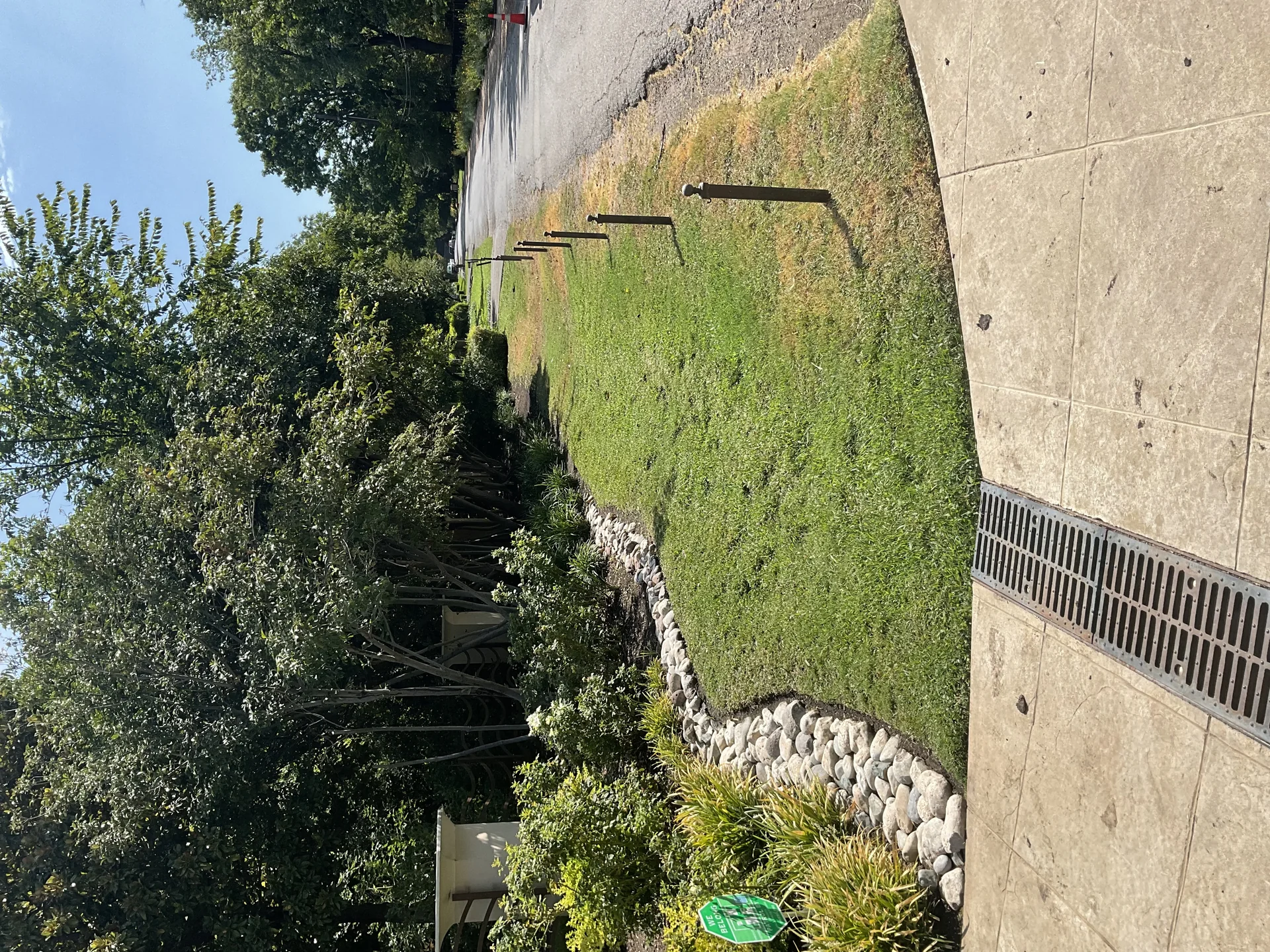
n
The Southlake Soil Profile Southlake sits within the Blackland Prairie ecological region, characterized by deep, fertile clay soils known locally as “black gumbo. “ These soils are excellent for agriculture but problematic for drainage. Key Southlake Soil Characteristics:
| Property | Measurement | What It Means for Drainage |
|---|---|---|
| Soil Type | Houston Black Clay | Heavy montmorillonite clay |
| Percolation Rate | 0.05-0.15 in/hour | Extremely slow water absorptio |
| Plasticity Index | 45-65 (very high) | High expansion potential |
| Clay Content | 50-60% | Poor natural drainage |
| Compactio |
High | Restricts water movement |
Why Water Won’t Drain in Clay Soil The Percolation Problem: In sandy soils, water drains quickly because sand particles are large and don’t pack together. Spaces between particles allow water to flow downward at rates of 5-10 inches per hour. In Southlake’s clay soil, microscopic clay particles pack together like microscopic plates. Water molecules struggle to find pathways through this dense matrix. The result: water sits on the surface or runs horizontally rather than draining downward. What happens during a Southlake storm:
- n
- Minutes 0-15: Rain hits ground, begins pooling immediately
- Minutes 15-60: Surface saturation reached; standing water forms
- Hours 1-6: Water spreads horizontally, seeking lowest points
- Hours 6-24: Minimal percolation into soil; evaporation begins
- Days 2-5: Standing water remains without interventio
n
n
n
n
The Consequences of Poor Drainage For Southlake Homeowners, Standing Water Creates: Foundation Risks:
- n
- Hydrostatic pressure against slab edges
- Foundation heaving during wet periods
- Soil expansion-contraction cycle acceleratio
- Potential structural cracking and settling
- Cost: $10,000-$30,000+ to repair Landscaping Damage:
- Turfgrass death (St. Augustine, Bermuda, Zoysia)
- Root rot in trees and shrubs
- Fungal disease proliferatio
- Soil compaction and oxygen deprivatio
- Cost: $2,000-$8,000 to restore Property Value Impact:
- Reduced curb appeal
- Failed home inspections
- Extended market time if selling
- Premium neighborhood expectations unmet
- Cost: 5-15% property value reduction Quality of Life Issues:
- Unusable outdoor spaces for days after rai
- Mosquito breeding grounds
- Muddy pet paws and tracked-in debris
- Outdoor furniture damage
- Swimming pool contaminatio
n
n
n
n
n
n
n
n
n
n
n
n
n
n
n
n
n
n
n
Chapter 2: French Drain Fundamentals
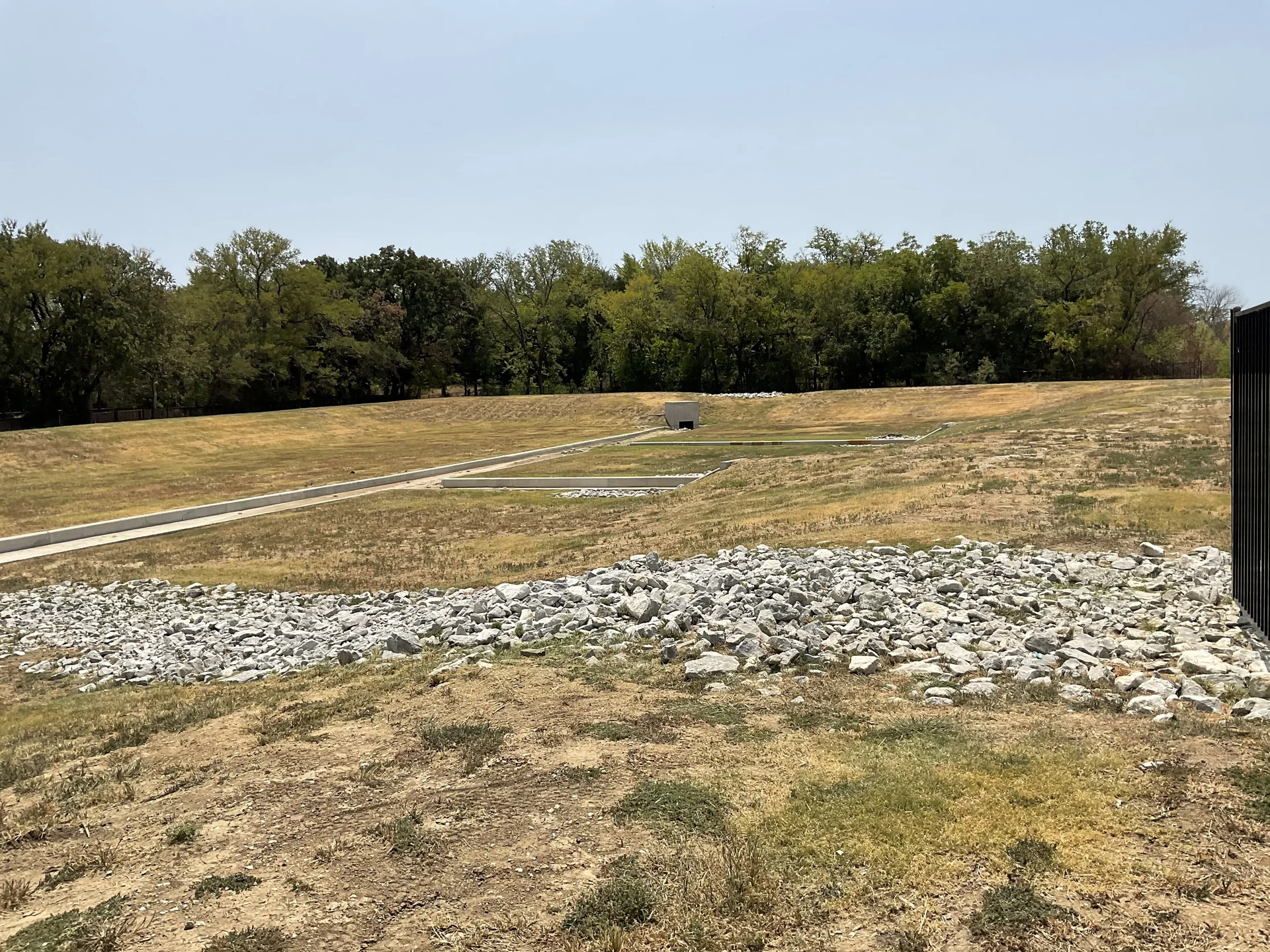
n
What Is a French Drain? A French drai
(named after Massachusetts farmer Henry French, who popularized the concept in 1859) is a subsurface drainage system that redirects water away from problem areas using gravity and a perforated pipe surrounded by aggregate. Core Components:
SURFACE (Grass, soil, mulch)n[Filter Fabric Layer
n - prevents soil infiltration]
============== [Gravel/Aggregate
n - 3/4" clean stone] ==============
~~~~~~~~~~~~~~ [Perforated Pipe
n - 4" or 6" diameter] ~~~~~~~~~~~~~~
============== [Gravel/Aggregate
n - 3/4" clean stone] ==============
[Filter Fabric Layer
n - wraps entire system]
[Excavated Trench
n - 18-24" depth for clay soil]
How French Drains Work in Clay Soil The Mechanics:
- n
- Collection: Standing water or subsurface saturation flows into the gravel bed
- Filtration: Filter fabric prevents clay soil particles from entering the system
- Conduction: Water enters perforated pipe through slots/holes
- Transport: Gravity moves water through pipe to discharge point
- Discharge: Water exits to street, drainage easement, dry well, or retention area Why French Drains Excel in Clay Soil: Unlike surface grading alone (which clay resists), French drains create an artificial high-permeability pathway through the dense clay layer. The gravel bed provides instant percolation capacity that clay soil cannot match. Clay-Specific Adaptations:
n
n
n
n
- n
- Greater depth (18-24 inches vs. 12-15 in sandy soils)
- Larger aggregate (3/4 inch vs. 3/8 inch for better void spaces)
- Superior filter fabric (critical to prevent clay particle infiltration)
- Steeper slope (minimum 1% grade for adequate flow)
n
n
n
Chapter 3: Planning Your Southlake French Drain System
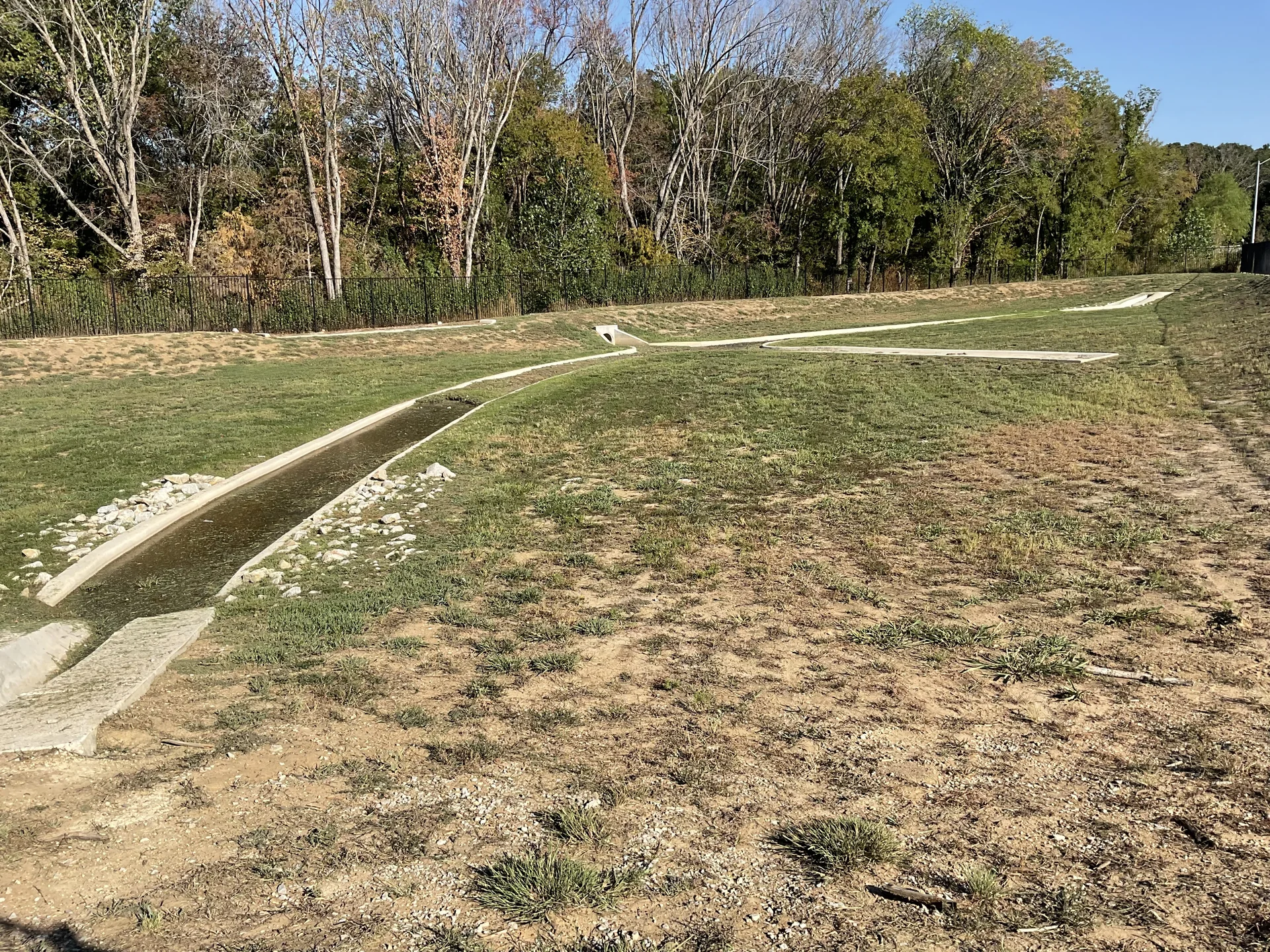
n
When You Need a French Drain Indicators Your Southlake Property Needs Subsurface Drainage: Surface Evidence:
- n
- Standing water 24+ hours after rainfall
- Persistent soggy or muddy areas
- Dead or dying turf in low spots
- Effervescence (white powdery residue) on soil surface
- Moss or algae growth (indicates chronic moisture) Structural Concerns:
- Water pooling near foundation after storms
- Musty odors in crawlspace or perimeter
- Foundation heaving or settlement signs
- Basement/crawlspace dampness Seasonal Patterns:
- Same areas flood repeatedly
- Winter/spring water accumulation worse
- Property never fully dries between storms
n
n
n
n
n
n
n
n
n
n
n
Site Assessment Checklist Before designing your French drain, document: Topography Analysis:
- n
- [ ] Identify natural drainage patterns
- [ ] Locate lowest points on property
- [ ] Map high points that create drainage boundaries
- [ ] Note any existing swales or drainage features
- [ ] Mark foundation location and critical clearance zones Problem Area Mapping:
- [ ] Photograph standing water locations after next storm
- [ ] Measure duration of water persistence
- [ ] Note turf damage patterns
- [ ] Document erosion areas Discharge Options:
- [ ] Distance to street curb/gutter
- [ ] Presence of drainage easements
- [ ] Available space for dry well installatio
- [ ] Neighboring property drainage (legal considerations)
- [ ] Municipal drainage requirements (Southlake specific) Utility Location:
- [ ] Call 811 for utility marking (mandatory before digging)
- [ ] Identify sprinkler system lines
- [ ] Note outdoor lighting wiring
- [ ] Mark gas/electric lines from house to yard
n
n
n
n
n
n
n
n
n
n
n
n
n
n
n
n
n
Southlake-Specific Considerations Municipal Requirements:
- n
- Southlake requires permits for drainage modifications affecting city infrastructure
- Discharge to street may require approval
- HOA approval often needed in gated communities (Vaquero, Timarron)
- Check deed restrictions for drainage easements Property Characteristics:
- Timarron: Rolling terrain, natural drainage to lower areas
- Vaquero: Large lots, more flexibility for dry well discharge
- Southlake Town Square area: Smaller lots, street discharge commo
- Carroll ISD areas: Clay content varies; some properties have better natural drainage Climate Factors:
- Southlake receives 38+ inches annual rainfall (higher than DFW average)
- Spring storms (March-May) heaviest and most frequent
- Flash flooding potential requires robust capacity
- “Gully washer” storms test system limits
n
n
n
n
n
n
n
n
n
n
n
Chapter 4: French Drain Design for Clay Soil
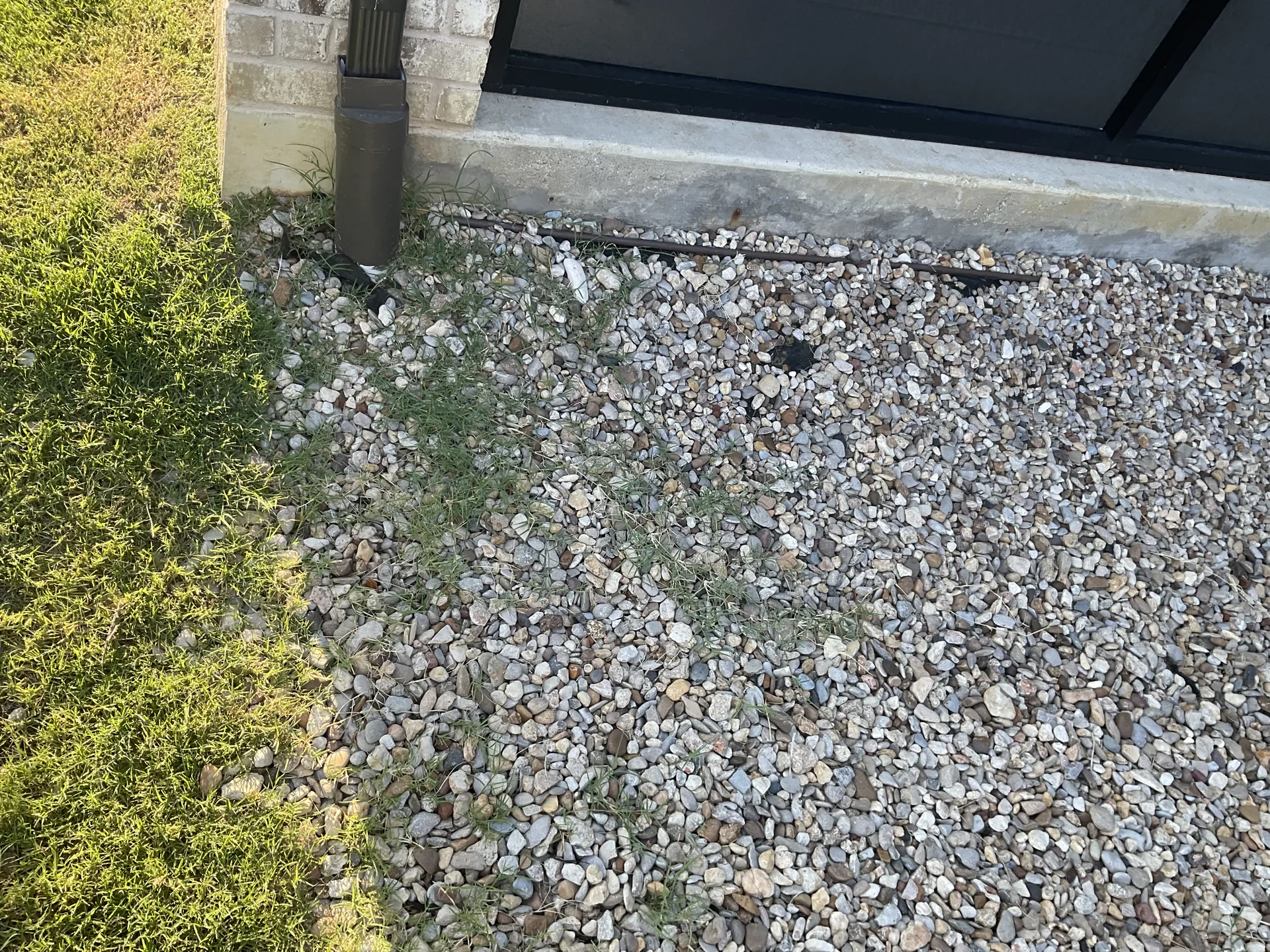
n
Sizing Your System Capacity Calculation: French drain capacity depends on:
- n
- Drainage area (square feet contributing water)
- Rainfall intensity (inches per hour for design storm)
- Pipe diameter (4-inch vs. 6-inch)
- Slope percentage (affects flow velocity) Southlake Design Parameters:
- Design storm: 3-inch rainfall in 24 hours (spring standard)
- Clay soil assumption: Minimal percolation (gravity flow only)
- Safety factor: 1. 5x calculated capacity Rule of Thumb for Southlake:
- 4-inch pipe: Handle 300-400 sq ft drainage area per 100 linear feet
- 6-inch pipe: Handle 600-800 sq ft drainage area per 100 linear feet
- Multiple parallel runs for larger areas
n
n
n
n
n
n
n
n
n
Depth Specifications for Clay Soil Standard Southlake Installation:
| Component | Depth/Specificatio | Rationale |
|---|---|---|
| Trench bottom | 18-24 inches | Below typical clay hardpa |
| Pipe depth | 12-18 inches below surface | Captures subsurface flow |
| Gravel bed below pipe | 2-3 inches | Bedding and stability |
| Gravel bed above pipe | 6-8 inches | Collection zone |
| Soil cover | 4-6 inches | Restore turf/landscaping |
Deeper installations (24+ inches):
- n
- Required for areas with high water tables
- Beneficial for foundation protection zones
- More complex installation but superior performance
n
n
Slope and Grade Requirements Critical Principle: Water flows downhill. French drains require consistent slope to function. Minimum Slope Guidelines:
- n
- 1% grade (1 foot drop per 100 linear feet) — Minimum acceptable
- 2% grade (2 foot drop per 100 linear feet) — Preferred for clay soil
- 5%+ grade — Excellent flow, limited by terrain Slope Calculation Example:
- 75-foot drain ru
- 2% desired grade
- Required elevation drop: 75 × 0. 02 = 1. 5 feet (18 inches) Achieving Slope in Flat Yards:
- Discharge to dry well or sump pump system
- Create artificial grade with soil modificatio
- Use stepped installation (shallower near house, deeper at discharge)
n
n
n
n
n
n
n
n
Filter Fabric: The Critical Component Why Filter Fabric Matters in Clay Soil: Southlake’s fine clay particles are the enemy of French drain longevity. Without proper filtration:
- n
- Clay migrates into aggregate voids
- Gravel bed becomes clogged with soil
- Pipe perforations block with sediment
- System fails within 2-5 years Filter Fabric Specifications:
- Weight: 4-6 oz/sq ft minimum
- Permeability: High flow rate (clay-compatible grade)
- Material: Non-woven geotextile fabric
- Wrap method: Complete encapsulation of gravel bed Installation finest Practices:
- Extend fabric 12+ inches beyond gravel bed on all sides
- Overlap seams by 18-24 inches
- Secure with landscape staples during installatio
- Protect from UV exposure (cover quickly)
n
n
n
n
n
n
n
n
n
n
n
Chapter 5: Installation Guide—Building Your French Drai
Tools and Materials Required Tools:
- n
- Trenching shovel or trenching machine (rental recommended)
- Wheelbarrow
- Garden rake
- Hand tamper
- Level (4-foot or laser)
- Tape measure
- Utility knife
- Work gloves and safety glasses Materials List (per 50 linear feet):
- 50 linear feet 4-inch perforated drain pipe (corrugated or PVC)
- 3 cubic yards 3/4-inch clean gravel (aggregate)
- 200 sq ft filter fabric (geotextile)
- Pipe fittings (couplings, elbows, T-junctions as needed)
- Discharge fitting (pop-up emitter, grate, or connection)
- Landscape staples Optional Enhancements:
- Catch basins (for surface water intake)
- Sump pump (for low-point discharge)
- PVC pipe (rigid, more durable than corrugated)
- Decorative drain covers (aesthetic finish)
n
n
n
n
n
n
n
n
n
n
n
n
n
n
n
n
n
Step-by-Step Installatio
Phase 1: Trench Excavation (Day 1) Step 1: Mark Your Route
- n
- Use spray paint or flags to mark trench path
- Maintain 4-6 foot distance from foundatio
- Identify high point (start) and low point (discharge)
- Verify slope feasibility with level Step 2: Call 811
- Request utility marking (free service)
- Wait 2-3 days for marking completio
- Hand-dig within 24 inches of marked utilities Step 3: Dig the Trench
- Width: 8-12 inches (allows working space)
- Depth: 18-24 inches for clay soil
- Slope verification: Check grade every 10 feet
- Foundation clearance: Maintain minimum 4-foot distance Pro Tip: Southlake clay is dense. Consider renting a trenching machine ($150-250/day) for runs over 50 feet. Hand-digging 100+ feet in clay is physically demanding and time-consuming.
n
n
n
n
n
n
n
n
n
n
Phase 2: Bed Preparation (Day 1-2) Step 4: Smooth Trench Bottom
- n
- Remove rocks, roots, debris
- Create smooth, consistent grade
- Verify slope with level (2% preferred) Step 5: Install Filter Fabric Base
- Unroll fabric along trench length
- Extend 12 inches up each side
- Overlap multiple pieces 18-24 inches
- Secure with landscape staples
n
n
n
n
n
n
Phase 3: Pipe and Gravel Installation (Day 2) Step 6: Add Bottom Gravel Layer
- n
- 2-3 inches of 3/4-inch clean gravel
- Level and smooth
- Provides pipe bedding Step 7: Lay Perforated Pipe
- Orientation: Perforations face DOWN (critical error many make)
- Connection: Use couplings for continuous ru
- Position: Center in trench, maintain grade
- Cleanouts: Add access points every 100 feet for maintenance Why perforations down? Water enters from below (subsurface saturation) and rises into pipe. Perforations down capture water at lowest point, maximizing drainage efficiency. Step 8: Add Top Gravel Layer
- 6-8 inches over pipe
- Total gravel depth: 8-12 inches including pipe
- R smooth and level Step 9: Wrap Filter Fabric
- Fold fabric over gravel bed
- Complete encapsulation (like a burrito)
- Overlap edges 18+ inches
- Secure with staples
n
n
n
n
n
n
n
n
n
n
n
n
n
Phase 4: Completion (Day 2-3) Step 10: Install Discharge Point
- n
- Pop-up emitter (opens under pressure, closes when dry)
- Grated drain box (visible, requires periodic cleaning)
- Connection to street drainage (permit may be required)
- Dry well installation (for properties without slope) Step 11: Backfill and Restore
- Return excavated soil to trench
- Hand-tamp in 6-inch lifts
- Restore original grade
- Seed or sod over trench line Step 12: Test System
- Run hose into trench area
- Verify water enters drai
- Check discharge point flow
- Monitor for 24 hours after first rainfall
n
n
n
n
n
n
n
n
n
n
n
Chapter 6: Professional vs. DIY Installatio
DIY Feasibility Assessment DIY is Suitable When:
- n
- Run length under 100 linear feet
- Clear discharge point available
- Minimal utility conflicts
- Basic hand tools available
- Physical ability to dig in clay soil
- Time flexibility (2-3 day project) DIY Cost Savings:
- Professional quote: $3,000-$6,000 for typical Southlake installatio
- DIY materials: $800-$1,500
- Equipment rental: $150-$400
et savings: $1,500-$4,000
n
n
n
n
n
n
n
n
n
When to Hire a Professional Professional Installation Recommended For:
- n
- Lengths exceeding 100 linear feet
- Complex discharge requirements (pumps, street connections)
- Foundation-adjacent drainage (critical clearance requirements)
- Properties with extensive utilities or irrigatio
- HOA/municipal permit requirements
- Time constraints or physical limitations Professional Advantages:
- Trenching equipment (faster, cleaner cuts)
- Grade laser accuracy (optimal slope)
- Permit handling and municipal coordinatio
- Warranty and ongoing maintenance
- Integration with existing landscaping
- Foundation protection expertise
n
n
n
n
n
n
n
n
n
n
n
Southlake Professional Landscape Contractors When hiring a professional for French drain installation in Southlake: Verification Checklist:
- n
- [ ] Licensed by Texas Department of Agriculture (landscape contractor license)
- [ ] Insurance (general liability + workers compensation)
- [ ] References from clay soil drainage projects
- [ ] Knowledge of Southlake permitting requirements
- [ ] Warranty on workmanship (minimum 1 year)
- [ ] Experience with foundation protection protocols Typical Professional Pricing (Southlake):
- Simple system (50-75 ft): $2,500-$4,000
- Moderate system (100-150 ft): $4,000-$7,000
- Complex system (200+ ft, pumps): $7,000-$12,000
- Foundation protection integration: Add $1,500-$3,000
n
n
n
n
n
n
n
n
n
Chapter 7: Maintenance and Longevity
Expected Lifespan Professional-installed French drains in clay soil:
- n
- 20-30 years with proper installation and maintenance
- Filter fabric is the key longevity factor
- PVC pipe outlasts corrugated (50+ years possible) Common Failure Points:
- Clogged discharge point (vegetation, debris)
- Sediment infiltration (filter fabric breach)
- Root intrusion (tree root penetration)
- Grade settling (trench compaction failure)
n
n
n
n
n
n
Annual Maintenance Checklist Spring (March):
- n
- [ ] Inspect discharge point for blockages
- [ ] Clear debris from grates/pop-up emitters
- [ ] Verify trench line hasn’t settled
- [ ] Check catch basins (if installed) Summer (July):
- [ ] Test system with hose during dry period
- [ ] Monitor for standing water during storms
- [ ] Verify system capacity during heavy rains Fall (October):
- [ ] Clear leaves from discharge area
- [ ] Inspect for root intrusion signs
- [ ] Document any performance changes Winter (January):
- [ ] Minimal maintenance needed
- [ ] Check for damage from freeze/thaw cycles
- [ ] Plan any needed improvements
n
n
n
n
n
n
n
n
n
n
n
n
Warning Signs of System Problems Reduced Performance Indicators:
- n
- Standing water returns to previously drained areas
- Water takes longer to clear after storms
- Soggy areas near trench line
- Discharge point shows reduced flow Troubleshooting Steps:
n
n
n
- n
- Check discharge point first (most common issue)
- Inspect for visible settling or grade changes
- Test with hose to isolate problem sectio
- Consider professional camera inspection for internal blockage
n
n
n
Chapter 8: Integration with Foundation Protectio
The Clay Soil Double Threat Southlake homeowners face a dual challenge:
- n
- Too much water during storms (drainage problem)
- Too little water during droughts (foundation protection problem) French drains solve the first problem. Foundation watering systems solve the second.
n
Coordinated System Design French drains and foundation protection work together:
Proper Integration: =================== [Foundation Slab]nn
3-4 feet
n
Discharge point (street/easement)
Key Integration Principles:
- n
ever place French drains directly adjacent to foundatio
(4-6 foot minimum)- Foundation watering maintains consistent soil moisture
- French drains prevent oversaturation during extreme rainfall
- Together, they regulate soil moisture in the critical zone
n
n
n
Cost-Benefit of Combined Systems Investment:
- n
- French drain system: $3,000-$6,000
- Foundation watering system: $500-$2,000
- Combined: $3,500-$8,000 Protection Value:
- Foundation repair prevention: $10,000-$30,000
- Landscape restoration: $2,000-$8,000
- Property value protection: $25,000-$75,000 (Southlake average)
- Total potential savings: $37,000-$113,000 ROI: 460%-1,300% over 20-year system lifespa
n
n
n
n
n
n
Conclusion: Your Southlake French Drain Action Pla
Decision Framework If you’re experiencing standing water 24+ hours after rainfall:
- n
- Document problem areas with photos
- Assess DIY vs. professional feasibility
- Request 811 utility marking
- Design system using this guide
- Implement before next heavy rain season If you’re in a Southlake premium community (Vaquero, Timarron):
- Check HOA guidelines for drainage modifications
- Consider professional installation for warranty
- Prioritize aesthetic restoration (matching sod/landscaping)
- Document for property records
n
n
n
n
n
n
n
n
Timeline for Implementation Week 1: Assessment
- n
- Document water problems during next storm
- Verify property drainage patterns
- Identify discharge options
- Call 811 for utility marking Week 2: Planning
- Determine DIY vs. professional route
- Finalize design and materials list
- Secure permits if required
- Schedule installation time Week 3: Installatio
- Excavate trenches
- Install pipe and gravel
- Test system functio
- Restore landscaping Week 4: Validatio
- Monitor during next rainfall
- Verify performance
- Address any issues
- Establish maintenance schedule
n
n
n
n
n
n
n
n
n
n
n
n
n
n
n
Final Recommendation French drains are not a luxury in Southlake—they’re essential infrastructure for clay soil properties. The investment of $3,000-$6,000 protects property values 10x higher and prevents the foundation damage that plagues unprepared homeowners. In Southlake’s premium real estate market, proper drainage isn’t just functional—it’s expected. A professionally designed and installed French drain system pays dividends through:
- n
- Protected property value (foundation integrity maintained)
- Usable outdoor spaces (no more flooded yards)
- Reduced maintenance (healthy turf, no erosion)
- Peace of mind during every Texas thunderstorm
n
n
n
Related Resources From Groundhogs Services: – The Complete Guide to Foundation Protection in Dallas-Fort Worth (DFW) – Texas Property Code 202. 007: HOA Landscaping Compliance Guide Southlake-Specific:
- n
- City of Southlake Drainage Requirements
- Southlake HOA Guidelines (by neighborhood)
- Tarrant County Floodplain Information Technical References:
- Texas A&M AgriLife Extension: Clay Soil Management
- DS Drainage Systems: Installation Guides
n
n
n
n
*Last Updated: February 2026* *Serving Southlake and Dallas-Fort Worth (DFW) with clay soil expertise* Groundhogs Services French Drain & Foundation Protection Specialists Southlake, Texas | (214) 713-1228
n