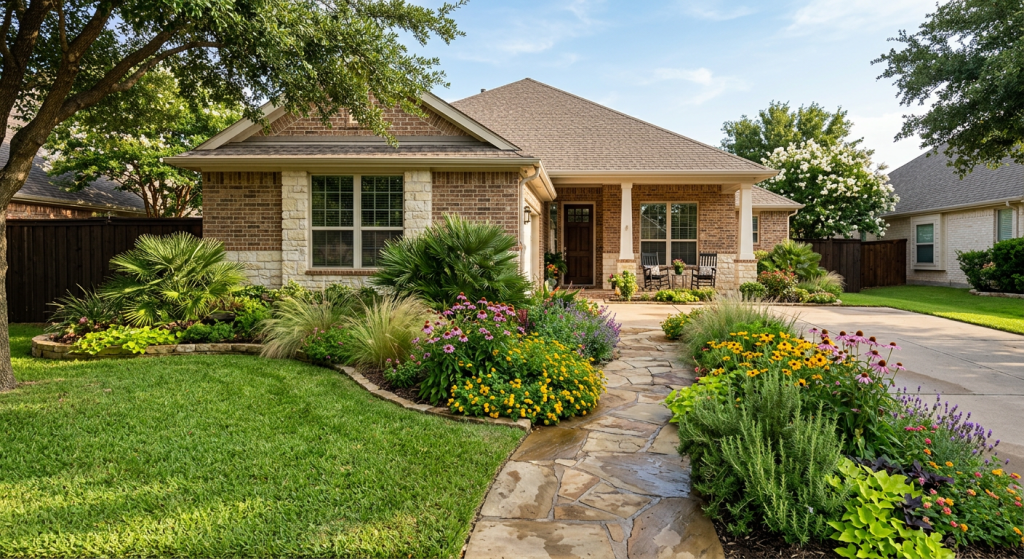
The Complete Guide to Foundation Protection in Dallas-Fort Worth (DFW): Beating Black Gumbo Clay
n
Introduction: The $20,000 Threat Hiding in Your Soil Every homeowner in Dallas-Fort Worth (DFW) faces a hidden enemy that threatens their most valuable asset. It’s not termites. It’s not roof damage. It’s the soil beneath your feet. North Texas is notorious for its expansive ”black gumbo” clay soil—a unique geological formation that swells when wet and contracts violently when dry. This expansion-contraction cycle exerts tremendous pressure on concrete slab foundations, causing cracks, heaving, and structural failures that can cost $20,000 or more to repair. The statistics are sobering. Foundation repair companies across DFW report that over 60% of residential foundation issues stem directly from improper soil moisture management. During the brutal Texas summers (May through September), clay soil can lose moisture rapidly, pulling away from foundations and removing critical support. During spring storms, that same soil swells with water, creating hydrostatic pressure that pushes against slab edges. The high-quality news: Foundation damage is largely preventable through proper landscaping and irrigation practices. This guide provides the complete system DFW homeowners need to protect their foundations from black gumbo clay’s destructive cycles. —
n
Chapter 1: Understanding the Enemy—Black Gumbo Clay Science
n
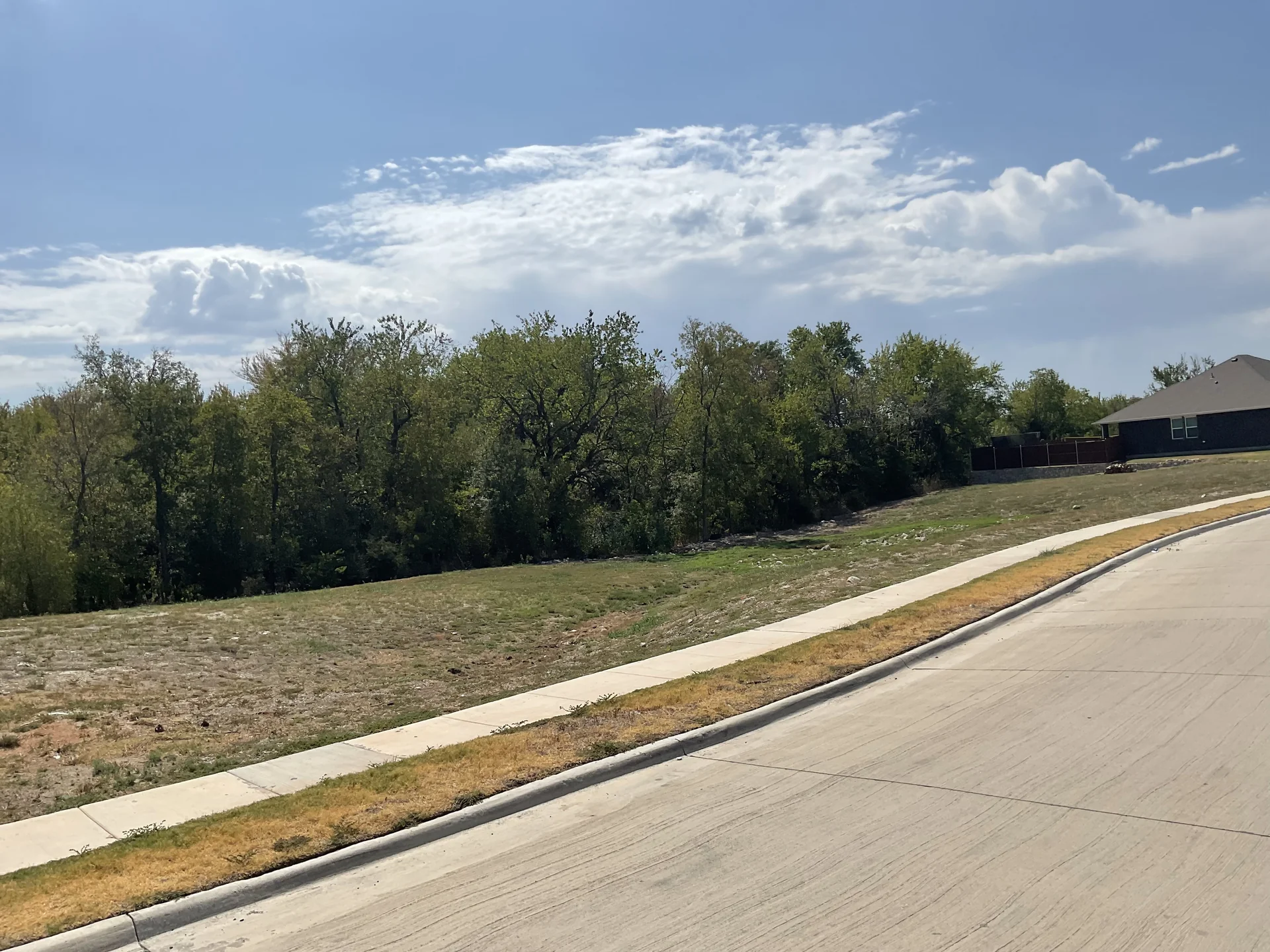
What Is Black Gumbo Clay? Black gumbo clay is a highly expansive soil type composed primarily of montmorillonite clay minerals. These microscopic particles act like molecular sponges—absorbing water and expanding up to 10% in volume, then shrinking dramatically as they dry. Key characteristics of DFW clay soils:
n
| Property | Measurement | Impact |
|---|---|---|
| Plasticity Index | 40-60 (very high) | Extreme volume change potential |
| Expansion Potential | 8-12% | Significant swelling when wet |
| Percolation Rate | 0.1-0.5 inches/hour | Very slow water absorption |
| Shrink-Swell Cycles | 3-4x annually | Repeated foundation stress |
n
n
The Expansion-Contraction Cycle Understanding this cycle is critical to foundation protection: Phase 1: Saturation (Spring Storms) – Heavy spring rains saturate the clay – Soil expands outward and upward – Hydrostatic pressure builds against foundation – Result: Foundation heaving, slab elevation changes Phase 2: Equilibrium (Brief Periods) – Moderate moisture levels maintain stability – Foundation rests on consistent support – Ideal condition—rarely lasts in Texas Phase 3: Desiccation (Summer Drought) – Intense heat and evaporation remove moisture – Clay contracts, pulling away from foundation – Gaps form between soil and slab edge – Foundation loses lateral support – Result: Cracking, settling, structural stress Phase 4: Rehydration (Fall/Winter) – Rains return, soil re-expands – Foundation may shift again – Cycle repeats seasonally
n
Why This Matters for Your Home The average DFW home experiences 3-4 complete expansion-contraction cycles annually. Each cycle stresses your foundation’s structural integrity. Over years, this cumulative damage manifests as: – Diagonal cracks in interior walls – Sticking doors that didn’t stick before – Sloping floors and uneven surfaces – Gaps between walls and ceilings – Exterior cracks in brick mortar – Plumbing leaks from slab movement The cost of prevention—typically $200-500 annually in water and equipment—is negligible compared to foundation repair costs of $10,000-$30,000. —
n
Chapter 2: The Solution—Foundation Watering Systems
n
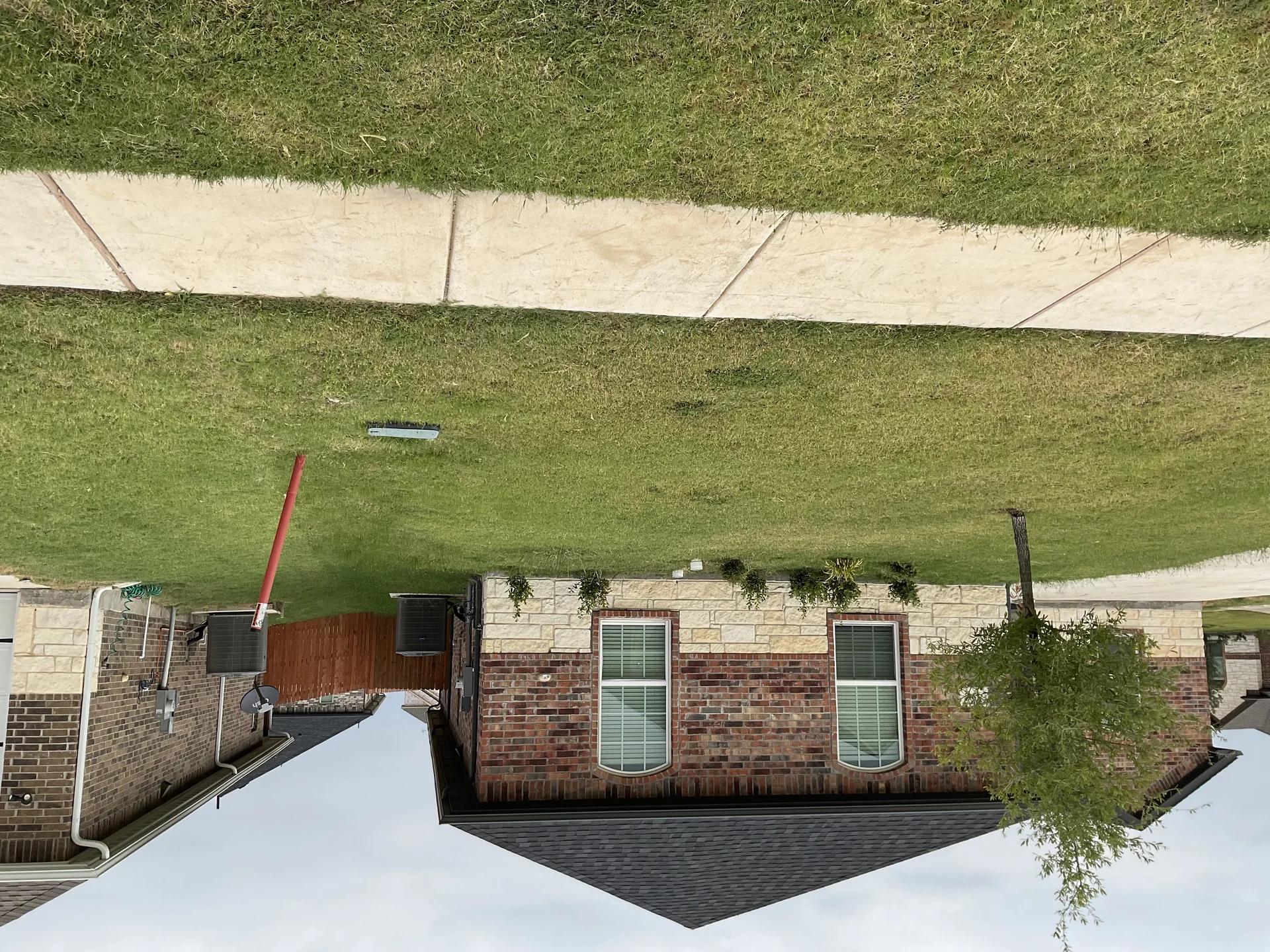
Core Principle: Consistent Soil Moisture The key to foundation protection isn’t keeping soil “wet. ” It’s maintaining consistent moisture levels year-round. Your goal is to prevent the dramatic swings that trigger clay expansion and contraction. Target soil moisture: – Depth: 2-3 inches below surface around foundation perimeter – Consistency: Slightly damp (not saturated, not powder-dry) – Zone: 3-5 feet outward from foundation edge
n
The Soaker Hose Foundation Protection System Soaker hoses (also called weeping hoses or seep hoses) are the gold standard for foundation watering in DFW. Unlike sprinklers that wet surface areas unevenly, soaker hoses deliver water slowly and directly where needed. Why soaker hoses work for clay soil: – Slow delivery: 1-2 gallons per hour prevents runoff – Deep penetration: Clay’s low percolation rate requires time – Consistent coverage: Even moisture around entire perimeter – Minimal waste: Targeted application, no evaporation loss – Low pressure: Won’t erode soil or damage landscaping —
n
Chapter 3: Implementation—Installing Your Foundation Protection System
n
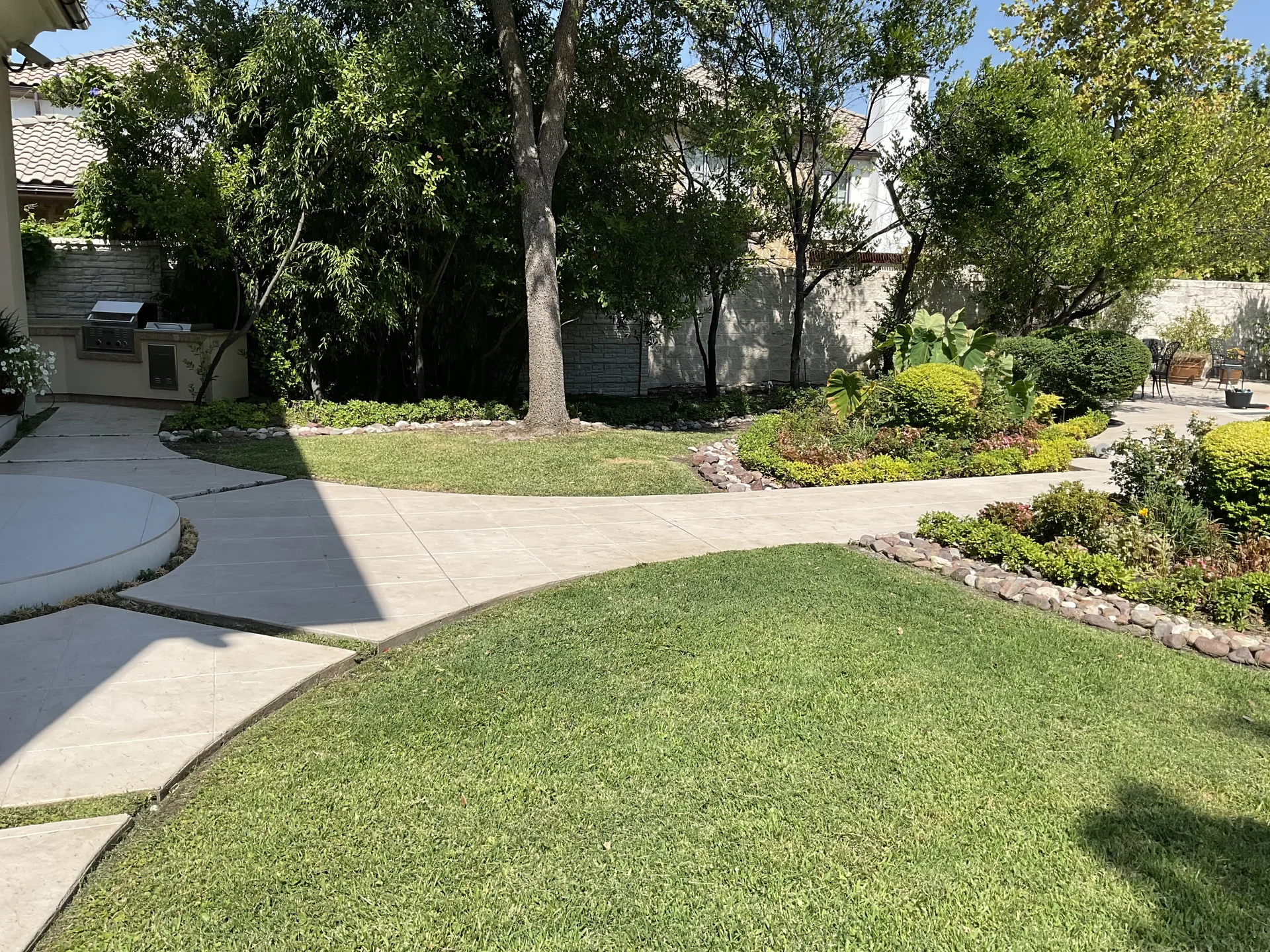
Materials Needed Essential Components: – Soaker hoses: 50-100 feet (flexible, porous rubber) – Y-splitter: For multi-zone coverage – Programmable timer: Digital, weather-resistant – Pressure regulator: 10-20 PSI for soaker hoses – Hose stakes: Metal U-stakes to secure placement – Mulch: 2-3 inches organic mulch for moisture retention Recommended Brands (DFW-Proven): – Swan’s Element: Durable, consistent weeping rate – Melnor Flat Soaker: Easy positioning, high-quality coverage – Gilmour Weeper: Reliable, widely available – Orbit Programmable Timer: Essential for automation
n
Step-by-Step Installation Guide
n
Step 1: Foundation Perimeter Assessment (Day 1) Walk your foundation perimeter and identify: – Soil gaps or separations from foundation edge – Existing vegetation (trees, shrubs, plants) – Sprinkler coverage and conflicts – Grading issues (positive vs. negative slope) – Access points for hose routing Measure: – Total linear feet of foundation requiring coverage – Distance from foundation to flower beds/hardscaping – Optimal hose placement zones Document: – Take photos of current soil conditions – Note areas with existing tree root competition – Mark zones that need priority watering
n
Step 2: Hose Placement Strategy (Day 2) Optimal Placement Pattern:
n
FOUNDATION EDGE (Slab)n[Zone 1: Priority Zone – 18″-24″ from foundation]
n======== SOAKER HOSE RUN #1 ========
n[Zone 2: Secondary Zone – 24″-36″ from foundation]
n======== SOAKER HOSE RUN #2 (if needed) ========
n[Mulch Layer – 2-3″ deep]
n
Placement Rules:
n
- n
- Primary run: 18-24 inches from foundation edge
- Secondary run: Add 24-36 inches out for larger homes (50+ foot perimeter)
- Loop around: Cover 100% of accessible foundation perimeter
- Avoid direct contact: Never place hoses directly against foundation
- Cross-slope placement: Run perpendicular to natural drainage flow Tree Proximity Guidelines: – Trees within 20 feet: Add dedicated watering rings around tree drip lines – Trees within 10 feet: Install root barriers to prevent foundation moisture competition – Large established trees: May require additional daily watering for roots
n
n
n
n
n
n
Step 3: Hose Installation (Day 3) Installation Process:
n
- n
- Dig shallow trenches (2-3 inches deep) where hoses will run
- Lay hoses in configured pattern, avoiding kinks
- Connect to water source using Y-splitter if sharing with irrigation
- Install pressure regulator at hose connection point
- Secure with U-stakes every 3-4 feet to prevent movement
- Test system: Run for 30 minutes, check coverage and weeping rate
- Apply mulch layer: 2-3 inches over and around hoses
- Program timer: Set initial schedule (see Chapter 5) Pro Tips: – Bury hoses 1-2 inches for aesthetic and functional benefits – Use backflow preventer to protect potable water supply – Install shut-off valves for each zone for maintenance – Photograph layout for future reference and repairs
n
n
n
n
n
n
n
n
n
Step 4: Automation Setup (Day 4) Timer Programming finest Practices: – Morning watering: 4:00 AM – 6:00 AM (optimal absorption, minimal evaporation) – Split schedules: For heavy clay, two shorter sessions beat one long session – Manual override: Keep accessible for adjustments during extreme weather – Battery backup: Essential for Texas storm power outages – Rain delay: Modern timers include rain sensors—use them —
n
Chapter 4: The Complete Foundation Watering Schedule
n
Seasonal DFW Watering Calendar FOUNDATION PROTECTION WATERING SCHEDULE FOR DFW
n
| Season | Months | Frequency | Duration | Special Notes |
|---|---|---|---|---|
| Winter | Dec-Feb | 2x weekly | 15-20 min | Dormant season, monitor freeze forecasts |
| Spring | Mar-May | 3-4x weekly | 20-25 min | Increasing frequency as temps rise |
| Summer | Jun-Sep | Daily | 15-30 min | Critical season—never skip |
| Fall | Oct-Nov | 3x weekly | 20 min | Gradual reduction as temps drop |
n
n
Month-by-Month Guide JANUARY – Water 2x per week (20 minutes) – Monitor for extended dry periods – Check hoses for winter damage after freezes – Priority: Low (soil typically stable) FEBRUARY – Water 2x per week (20 minutes) – Begin spring preparation—test full system – Schedule any needed repairs before peak season – Priority: Low-Medium (transition approaching) MARCH – Water 3x per week (20-25 minutes) – Spring rains begin—reduce if soil stays damp – Watch for soil separation from foundation – Priority: Medium (expansion season beginning) APRIL – Water 3-4x per week (20-25 minutes) – Peak expansion season—maintain consistent moisture – Monitor for foundation heaving signs – Priority: Medium-High (active swelling) MAY – Water daily (15-20 minutes) – Summer preparation begins – Temperatures rising rapidly—increase vigilance – Priority: High (transition to critical season) JUNE – AUGUST (CRITICAL SEASON) – Water daily without exception (20-30 minutes) – Consider split sessions: 15 min AM + 15 min PM for extreme heat – Monitor soil moisture 2-3x per week (dig test holes) – Priority: CRITICAL (foundation at maximum risk) SEPTEMBER – Water daily (20-25 minutes) – Continue summer schedule until temps drop below 90°F consistently – Begin gradual reduction only when soil retains moisture longer – Priority: High (still critical) OCTOBER – Water 3-4x per week (20 minutes) – Fall reduction phase – Monitor for soil pulling away from foundation – Priority: Medium-High (contraction risk returning) NOVEMBER – Water 3x per week (20 minutes) – Continue stable moisture maintenance – Winterize timers and exposed connections before first freeze – Priority: Medium DECEMBER – Water 2x per week (15-20 minutes) – Minimal requirements unless extended dry spell – Check system monthly for damage – Priority: Low
n
Watering Technique Guidelines The “Dig Test” Method:
n
- n
- Dig small test hole 3 inches deep, 2 feet from foundation
- Squeeze soil sample in hand
- Ideal: Soil holds together but isn’t muddy
- Too dry: Soil crumbles and won’t form ball
- Too wet: Water drips from squeezed sample Visual Inspection Checklist: – [ ] No gaps visible between soil and foundation edge – [ ] No large cracks in soil surface near foundation – [ ] Grass/groundcover near foundation not wilting – [ ] No standing water (indicates overwatering or drainage issues) —
n
n
n
n
n
n
Chapter 5: Warning Signs & When to Call a Professional
n
Early Warning Signs (DIY Monitoring) Level 1: Monitor Closely – Small soil gaps (1/4 inch or less) at foundation edge – Hairline cracks in exterior mortar – Single door or window sticking occasionally – Minor soil cracking in yard areas Level 2: Increase Watering + Schedule Inspection – Soil gaps exceeding 1/2 inch – Multiple doors/windows sticking consistently – Diagonal interior wall cracks (under 1/8 inch) – Visible foundation edge exposure – Uneven floors (detectable by rolling ball test) Level 3: Immediate Professional Assessment Required – Large soil separations (1+ inch from foundation) – Stair-step cracks in brick or block exterior – Significant interior wall cracks (over 1/8 inch) – Doors/windows that won’t close or lock – Sloping floors (measurable with level) – Water intrusion in crawlspace or perimeter
n
The Foundation Damage Risk Matrix
n
| Sign Severity | Timeline to Act | Recommended Action |
|---|---|---|
| Minor/Marginal | 30 days | Increase watering frequency, document with photos |
| Moderate | 7-14 days | Schedule foundation inspection, implement emergency watering protocol |
| Severe | 24-72 hours | Immediate professional structural engineer consultation |
n
n
When to Call Professionals Call a Foundation Repair Company When: – Stair-step cracks appear in brick exterior – Interior cracks exceed 1/8 inch width – Doors/windows consistently fail to operate – Floor slope exceeds 1 inch per 15 feet – Previous repairs show new cracking Call a Landscaping Professional When: – You need drainage system installation – Grading corrections are required – Tree root barriers need installation – Sprinkler/irrigation conflicts need resolution – You need automated foundation watering system design Call Both When: – Foundation and drainage issues overlap – Property has both structural and soil management needs – Comprehensive property assessment is required —
n
Chapter 6: Advanced Foundation Protection Strategies
n
French Drains for Clay Soil Properties For homes with persistent drainage issues, French drains provide essential backup protection by managing hydrostatic pressure during heavy rains. When French Drains Help: – Standing water near foundation after rains – Poor natural drainage due to flat grading – Downspout discharge overwhelming soil capacity – Homes in low-lying DFW areas (parts of Richardson, Garland, Irving) Installation Points: – 4-6 feet from foundation (not closer) – 18-24 inches deep for clay soil – Perforated pipe surrounded by gravel and filter fabric – Gravity discharge to street, drainage easement, or dry well *See our complete guide: “French Drain Installation for Clay Soil: A Southlake Homeowner’s Complete Guide”*
n
Positive Grading Corrections Positive grading ensures water flows AWAY from your foundation: Optimal Slope Specifications: – Grade: 6 inches of drop per 10 feet of distance from foundation – Distance: Maintain slope for minimum 10 feet from foundation – Surface: Hard-packed soil or appropriate hardscaping Common Grading Issues in DFW: – Builder-settled soil creating negative slopes – Erosion from poor drainage – Landscaping bed buildup creating dams – Sidewalk/driveway heaving altering flow Grading Solutions: – For minor issues: Soil addition and re-contouring – For moderate issues: Retaining wall installation – For severe issues: Comprehensive regrading with drainage systems
n
Tree Root Barrier Installation Large trees near foundations create dual problems:
n
- n
- Root systems absorb soil moisture, accelerating desiccation
- Root growth can exert physical pressure on foundations Root Barrier Specifications: – Material: High-density polyethylene (HDPE) or metal barriers – Depth: 24-36 inches minimum for DFW clay – Placement: 3-5 feet from foundation, aligned with tree trunk – Coverage: Extend 1. 5x tree canopy diameter DFW Trees Requiring Barriers: – Live oaks (extensive shallow roots) – Cedar elms (aggressive water seekers) – Red oaks (large mat-forming roots) – Pecans (when within 20 feet of foundation) —
n
n
n
Chapter 7: Cost Analysis & ROI
n
Foundation Watering System Costs Initial Investment (DIY Installation): – Soaker hoses (100 ft): $40-80 – Programmable timer: $30-60 – Pressure regulator: $15-25 – Y-splitter & connectors: $20-30 – Mulch (5 bags): $25-40 – Stakes & accessories: $15-25 – Total DIY: $145-260 Professional Installation: – Basic system (assessment + installation): $500-800 – Complex system (grading, drainage integration): $1,500-3,000 – Premium automated system: $2,500-5,000 Annual Operating Costs: – Water (daily summer watering): $150-300/year – Electricity (timer): $5-10/year – Maintenance/replacement: $50-100/year – Total Annual: $205-410
n
Foundation Repair Costs (Without Protection)
n
| Repair Type | Cost Range | Downtime |
|---|---|---|
| Minor crack repair | $500-2,000 | None |
| Pier installation (single) | $1,500-3,000 | 1-2 days |
| Partial foundation repair | $8,000-15,000 | 3-5 days |
| Full foundation lift | $15,000-30,000 | 5-10 days |
| Severe structural rebuild | $30,000-60,000+ | 2-4 weeks |
n
n
| Severe structural rebuild
nnn
ROI Calculation Scenario: Homeowner invests in foundation watering system Investment: $300 (initial) + $300/year (operating) Protection Value: Prevention of moderate foundation damage ($10,000 repair) Break-even: First prevented repair event (typically 3-7 years in DFW) 10-year ROI: 2,400% (assuming one $10,000 repair prevented) Additional Benefits: – Maintained property value (foundation issues reduce value 10-15%) – Avoided displacement during repairs – Reduced insurance risk – Peace of mind during Texas weather extremes —
n
Chapter 8: Common Mistakes to Avoid
n
The Top 10 Foundation Protection Errors 1. No Foundation Watering at All – Most common mistake in DFW – Assumes natural rainfall is sufficient (it’s not) – Results in cumulative seasonal damage 2. Overwatering Near Foundation – Creates hydrostatic pressure problems – Can cause foundation heaving – Wastes water and money 3. Watering Too Close to Foundation – Direct soil-foundation contact saturation – Potential for water intrusion – Violates finest practices 4. Inconsistent Scheduling – “Only when I remember” approach – Allows damaging expansion-contraction cycles – Ineffective for clay soil management 5. Ignoring Trees Near Foundation – Large trees compete for soil moisture – Can desiccate soil faster than watering replaces – Root barriers often essential 6. Poor Drainage Integration – Watering without addressing drainage – Can compound standing water issues – Requires holistic property assessment 7. Using Standard Sprinklers Instead of Soakers – Uneven coverage – High evaporation in Texas heat – Surface wetting without deep penetration 8. No Seasonal Schedule Adjustment – Same schedule year-round – Insufficient summer watering – Unnecessary winter waste 9. Failure to Monitor Soil Conditions – “Set it and forget it” timers – No visual inspection routine – Missed early warning signs 10. Delaying Professional Assessment – Waiting until damage is severe – Higher repair costs – Potential for structural complications —
n
Conclusion: Your Foundation Protection Action Plan Protecting your DFW home from black gumbo clay is not complicated—it requires consistent execution of proven practices. Here’s your 30-day implementation roadmap:
n
Week 1: Assessment – [ ] Walk foundation perimeter, document current conditions – [ ] Photograph soil conditions, note gaps or concerns – [ ] Identify tree proximity and potential moisture competition – [ ] Assess existing irrigation/sprinkler conflicts – [ ] Measure foundation linear footage for hose planning
n
Week 2: Planning & Procurement – [ ] Purchase soaker hoses, timer, pressure regulator, stakes – [ ] Plan hose placement strategy (18-24 inches from foundation) – [ ] Schedule installation time (4-6 hours for average home) – [ ] Identify optimal water connection points
n
Week 3: Installation – [ ] Install hoses according to placement plan – [ ] Connect timer and test system – [ ] Apply mulch layer over hoses – [ ] Program initial schedule based on current season – [ ] Test-run system, verify coverage
n
Week 4: Optimization – [ ] Monitor soil moisture using dig test – [ ] Adjust timer schedule as needed – [ ] Document baseline conditions with photos – [ ] Set calendar reminders for seasonal schedule changes – [ ] Bookmark this guide for reference
n
Ongoing Commitment – [ ] Check system monthly for leaks or damage – [ ] Perform dig test 2x per month in summer – [ ] Adjust schedule seasonally (see Chapter 4) – [ ] Photograph foundation seasonally for comparison – [ ] Schedule professional inspection if warning signs appear Remember: Foundation protection is a marathon, not a sprint. The DFW homeowners who avoid costly repairs are those who implement consistent, year-round soil moisture management. Your $300 annual investment in foundation watering will pay dividends for decades. —
n
Additional Resources Related Guides from Groundhogs Services: – French Drain Installation for Clay Soil: A Southlake Homeowner’s Complete Guide – Texas Property Code 202. 007: HOA Landscaping Compliance Guide – Smart Irrigation Rebates: Plano 2026 Application Guide External Resources: – Texas A&M AgriLife Extension: Soil Management Resources – City of Dallas Water Conservation Programs – North Texas Municipal Water District Rebate Information — *Last Updated: February 2026* *Serving Dallas-Fort Worth (DFW) with specialized clay soil expertise since 2015* Groundhogs Services Foundation Protection Specialists Dallas-Fort Worth (DFW), Texas
n