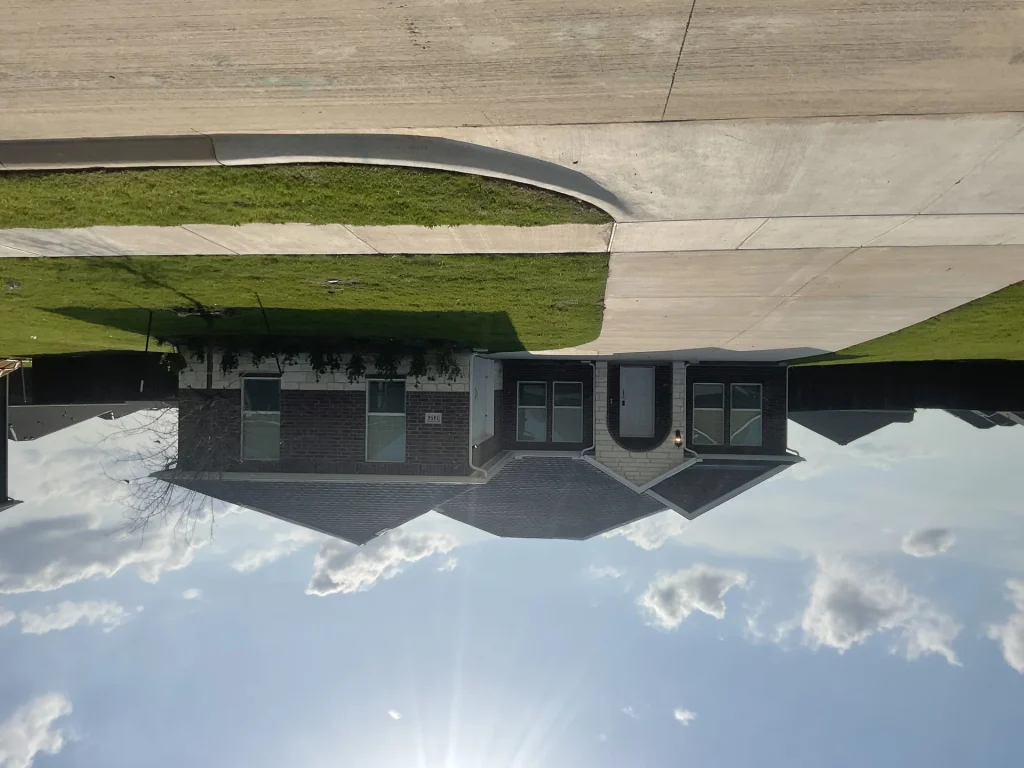
Summer in North Texas is not for the faint of heart — or the faint of plant. When the thermometer hits 100°F and stays there for weeks on end, your landscape is under serious stress. But here’s the truth: a well-prepared DFW landscape can not only survive summer — it can thrive. The key is understanding how heat affects plants and taking the right steps before, during, and after heat waves. At Groundhogs Services, we’ve kept landscapes alive through every DFW summer for years. Here’s our survival guide.
Understanding Heat Stress in Plants
Before you can protect your landscape, you need to recognize the signs of heat stress. Plants communicate distress through visible symptoms:
- Wilting — The most obvious sign. Leaves droop because the plant can’t move water fast enough to replace what’s lost through transpiration.
- Leaf scorch — Brown, crispy edges on leaves. This is tissue death from dehydration.
- Leaf drop — Plants shed leaves to reduce water loss. It’s a survival mechanism.
- Stunted growth — When it’s too hot for photosynthesis, growth stops.
- Flower drop — Plants abort flowers to conserve energy for survival.
- Sunscald — Bleached or papery patches on bark or fruit. Common on young trees and tomatoes.
The good news: most of these are reversible if caught early. The bad news: prolonged stress can kill even established plants.
Watering Strategies for Extreme Heat
Watering is the single most important factor in summer survival. But how you water matters as much as how much you water.
Deep, Infrequent Watering
This is the golden rule of Texas summer watering. Shallow, frequent watering encourages shallow roots that can’t reach moisture deep in the soil. Deep, infrequent watering forces roots to grow downward where the soil stays cooler and moister.
- How deep: Water should penetrate 6-8 inches for lawns, 12-18 inches for shrubs and perennials.
- How often: In 100°F heat, most landscapes need water every 2-3 days. Sandy soil needs more frequent watering; clay soil holds moisture longer.
- How much: 1-1.5 inches of water per week, applied in 1-2 deep waterings. During heat waves, increase to 2 inches per week.
Best Time to Water
Early morning (4 AM – 8 AM) is the only time to water in DFW summers. Here’s why:
- Less evaporation — up to 30% less than midday watering
- Water reaches roots before the sun starts baking the soil
- Leaves have time to dry before nightfall, reducing disease risk
- Water pressure is typically better in early morning
Never water in the middle of the day. You’ll lose half the water to evaporation, and water droplets on leaves can magnify sunlight and cause leaf burn.
Watering Methods
- Soaker hoses — The most efficient method for beds. They deliver water directly to the soil with minimal evaporation.
- Drip irrigation — Even better than soaker hoses. Install drip lines under mulch for maximum efficiency.
- Hand watering — Effective for containers and new plantings. Use a wand with a gentle spray setting.
- Sprinklers — Least efficient but necessary for lawns. Use early morning and check for overspray on hardscapes.
Mulching: Your Landscape's Air Conditioner
Mulch is the single most effective tool for reducing heat stress. A 3-inch layer of organic mulch can lower soil temperature by 10-15°F and reduce water evaporation by up to 70%.
Mulch Types for DFW
- Shredded hardwood bark — The best all-around choice for DFW. Stays in place, breaks down slowly, and looks natural.
- Pine bark nuggets — Good for slopes and areas where you want a chunky look. Tends to float in heavy rain.
- Compost — Excellent as a thin top-dressing but breaks down too quickly to use as primary mulch.
- Rock/gravel — Good for xeriscaping but absorbs and radiates heat. Not ideal around heat-sensitive plants.
Mulching Best Practices
- Apply 2-3 inches deep — Too little won’t insulate; too much can suffocate roots.
- Keep mulch away from stems — Leave a 2-3 inch gap around tree trunks and plant crowns to prevent rot.
- Refresh as needed — Mulch decomposes over time. Top it up in late spring before the heat arrives.
- Don’t use landscape fabric under mulch — It prevents organic matter from reaching the soil and can actually increase soil temperature.
Shade Cloth and Temporary Protection
For vulnerable plants, temporary shade can make the difference between life and death during extreme heat waves.
- Shade cloth — 30-50% shade cloth draped over a frame or stakes. Ideal for vegetable gardens, nursery beds, and newly planted trees.
- Row cover — Lightweight fabric that provides shade and reduces temperature. Can be laid directly on plants.
- Old sheets — In a pinch, old bed sheets draped over plants provide significant heat relief. Remove when temperatures drop.
- Potted plants — Move containers to shaded areas during heat waves. Group them together to create a microclimate.
Plant Selection for DFW Heat
The best defense against summer heat is choosing the right plants in the first place. Here are the plants that laugh at 100°F:
Heat-Tolerant Perennials
- Lantana — Blooms all summer in any heat
- Salvia — Thrives in full sun and heat
- Purple coneflower — Native and extremely heat-tolerant
- Black-eyed Susan — Blooms through the hottest weather
- Mexican bush sage — Late summer bloomer that loves heat
- Turk’s cap — Shade-tolerant and heat-loving
Heat-Tolerant Shrubs
- Texas sage (Leucophyllum frutescens) — Also called cenizo. Loves heat and blooms after summer rains.
- Knock Out roses — Bloom continuously through heat
- Dwarf yaupon holly — Native and bulletproof
- Wax myrtle — Fast-growing and heat-tolerant
Heat-Tolerant Trees
- Live oak — The quintessential Texas tree
- Cedar elm — Native and extremely drought-tolerant
- Texas red oak — Beautiful fall color and heat-tolerant
- Chinquapin oak — Underused but excellent for DFW
Heat-Tolerant Lawns
- Bermuda — The most heat-tolerant lawn grass
- Zoysia — Good heat tolerance with finer texture
- St. Augustine — Needs more water but handles heat if irrigated
DFW Water Restrictions
Most DFW municipalities enforce watering restrictions during summer. Here’s what you need to know:
- Dallas: Year-round twice-per-week watering schedule. No watering between 10 AM and 6 PM.
- Mesquite: Follows Dallas water restrictions. Two assigned watering days per week based on address.
- Garland: Two-day-per-week schedule. Odd addresses water Wednesday/Saturday; even addresses water Thursday/Sunday.
- Rockwall: Two-day-per-week schedule. Check city website for your assigned days.
Pro tip: Most restrictions allow hand watering and drip irrigation any time. Use soaker hoses and drip systems to water beds on off days.
Post-Heat Wave Recovery
After a heat wave breaks, your landscape needs recovery care:
- Water deeply — Give everything a deep, slow soak
- Don’t fertilize — Wait until plants show new growth. Fertilizing stressed plants can burn them.
- Prune dead material — Remove dead leaves and branches but don’t prune heavily
- Check for pests — Stressed plants attract pests. Monitor for spider mites, aphids, and scale.
- Be patient — Recovery takes time. Don’t overwater trying to revive plants.
Ready to Survive Summer?
Summer in DFW is tough, but your landscape doesn’t have to suffer. With the right watering strategy, proper mulching, and smart plant choices, you can keep your yard looking great through the hottest months. And if you’d rather leave it to the professionals, Groundhogs Services is here to help.
Call us at (214) 713-1228 or visit groundhogstx.com to schedule a summer landscape consultation. We serve Mesquite, Dallas, Garland, Rockwall, and all of North Texas. Let’s keep your landscape alive and thriving.