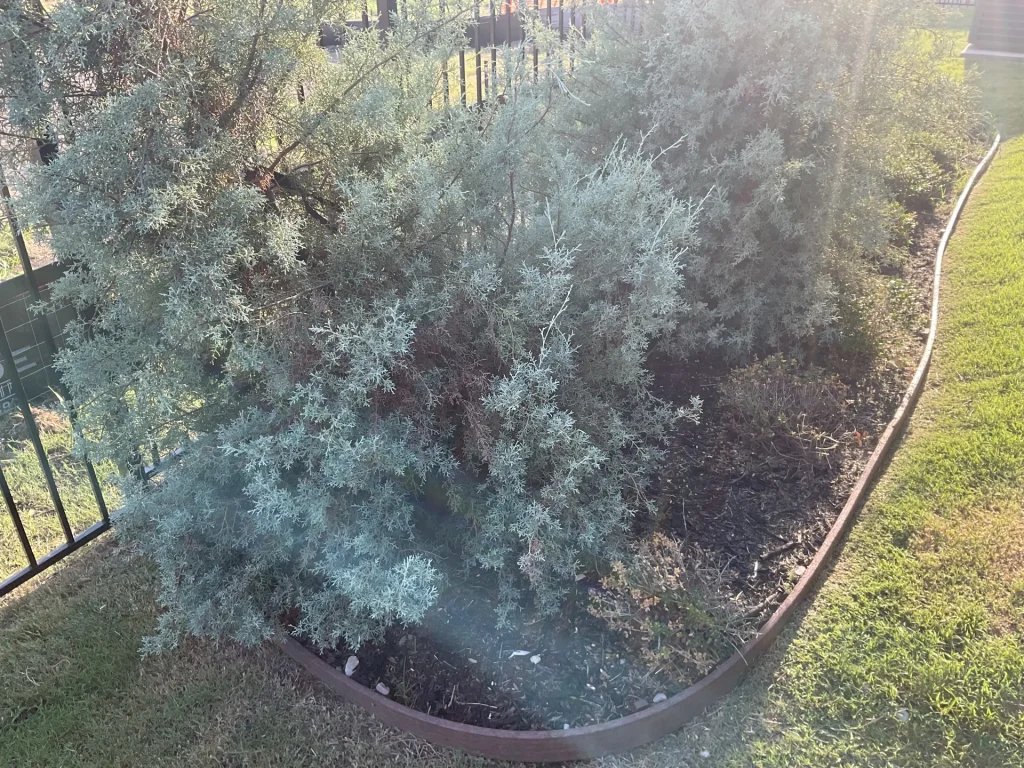
In North Texas, privacy is a premium. With homes built closer together than ever and two-story houses looking down into your backyard, creating a private outdoor space is one of the best investments you can make in your property. But not all privacy screens are created equal — especially in our challenging DFW climate. At Groundhogs Services, we’ve installed hundreds of privacy hedges across Mesquite, Dallas, and Garland. Here’s everything you need to know about choosing and maintaining the right screening plants for your yard.
What Makes a Good Privacy Screen for DFW?
Before you buy plants, understand what you’re looking for:
- Evergreen foliage — You want privacy year-round, not just during the growing season. Deciduous plants lose their leaves in winter, leaving you exposed.
- Dense growth habit — The plant should branch from the ground up, not have bare legs that let neighbors see under the screen.
- Heat and drought tolerance — Our summers will kill anything that can’t handle 100°F+ temperatures.
- Clay soil adaptability — Most DFW soil is heavy black clay. Plants that need perfect drainage will struggle.
- Disease resistance — Humidity and heat create perfect conditions for fungal diseases. Choose resistant varieties.
- Growth rate — Fast enough to give you privacy in 2-3 years, but not so fast that you’re pruning every month.
Top Evergreen Options for DFW
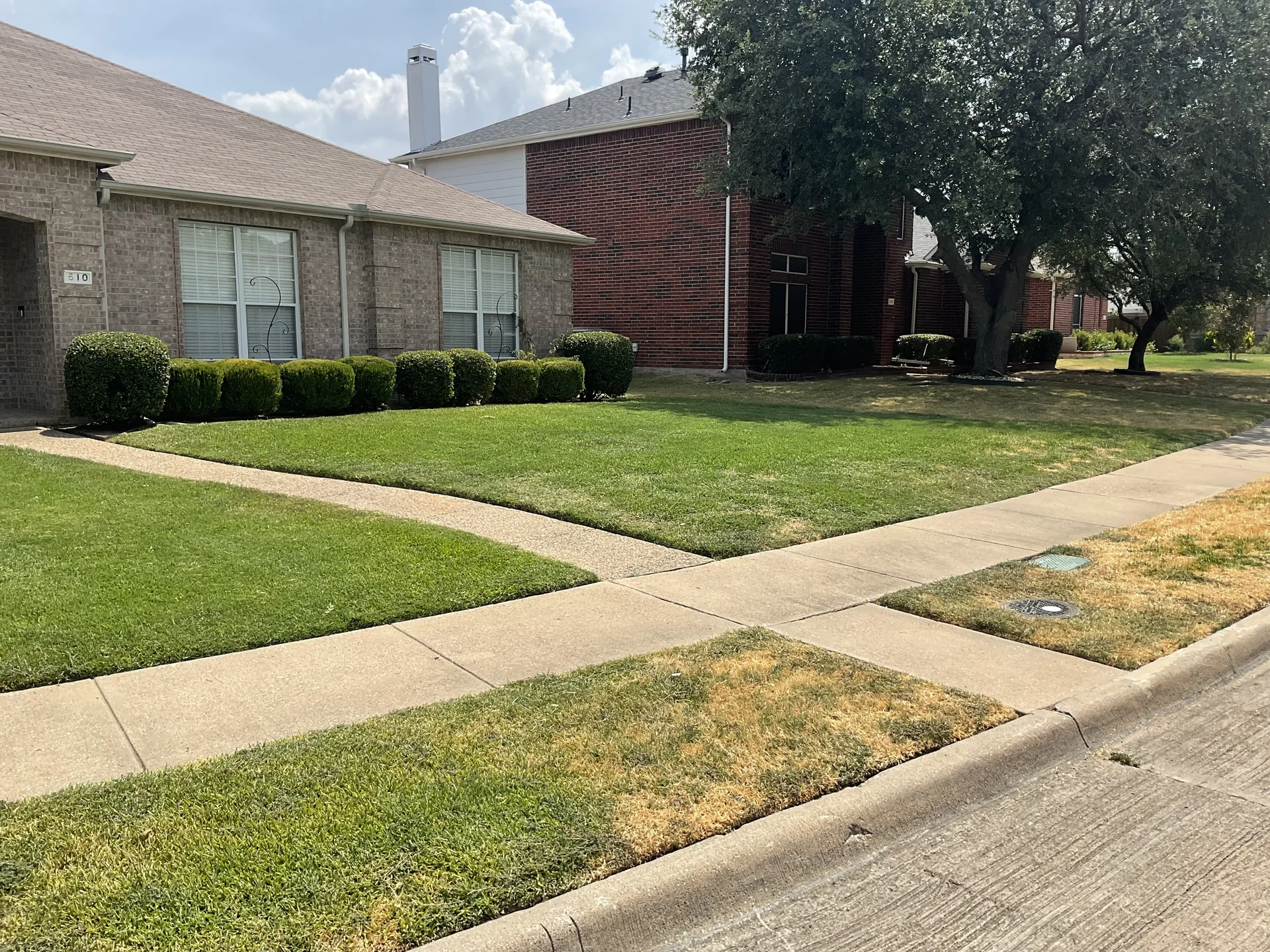
Wax Myrtle (Morella cerifera)
The best all-around privacy shrub for North Texas. Wax myrtle is a fast-growing, dense, evergreen shrub with aromatic leaves that smell like bayberry when crushed.
- Mature size: 10-15 feet tall, 8-12 feet wide
- Growth rate: Fast (3-5 feet per year)
- Sun: Full sun to partial shade
- Water: Low to moderate once established
- Soil: Adaptable to clay, sand, or loam
- Maintenance: Low — prune once per year in late winter to control shape
- DFW performance: Excellent. Tolerates heat, drought, humidity, and our alkaline clay soil. Resistant to most pests and diseases.
- Pros: Fast-growing, fragrant, evergreen, attracts birds (the berries are a favorite of cedar waxwings)
- Cons: Can be invasive in wet areas. Berries can stain patios and walkways.
Spacing for a hedge: Plant 4-6 feet apart for a solid screen in 2-3 years.
Cherry Laurel (Prunus caroliniana)
A classic Southern hedge plant with glossy, dark green leaves that look like a smaller version of magnolia. It’s dense, evergreen, and responds well to pruning.
- Mature size: 15-20 feet tall, 10-15 feet wide (can be kept smaller with pruning)
- Growth rate: Moderate to fast (2-3 feet per year)
- Sun: Full sun to partial shade
- Water: Moderate
- Soil: Adaptable but prefers well-drained soil — amend clay at planting
- Maintenance: Moderate — prune 2-3 times per year for formal hedge
- DFW performance: Good. Handles heat and humidity well. Can struggle in heavy clay without soil amendment.
- Pros: Beautiful glossy foliage, responds well to shearing, can be shaped formally or informally
- Cons: Susceptible to powdery mildew in humid weather. Leaves are toxic if ingested. Can develop chlorosis (yellowing) in alkaline soil.
Spacing for a hedge: Plant 4-5 feet apart for a formal hedge, 6-8 feet for a natural screen.
Yaupon Holly (Ilex vomitoria)
A native Texas evergreen that’s incredibly tough and adaptable. Yaupon holly has small, dark green leaves and produces red berries in fall and winter (on female plants).
- Mature size: 10-20 feet tall, 8-15 feet wide (dwarf cultivars available)
- Growth rate: Moderate (1-2 feet per year)
- Sun: Full sun to full shade — one of the most shade-tolerant evergreens
- Water: Low to moderate
- Soil: Adaptable to any soil type — thrives in our clay
- Maintenance: Low — prune once per year
- DFW performance: Excellent. Extremely heat and drought tolerant. Handles clay, sand, and everything in between.
- Pros: Native, evergreen, produces berries for birds, extremely adaptable, deer-resistant
- Cons: Slower growing than wax myrtle or cherry laurel. Berries only on female plants (need a male nearby).
Spacing for a hedge: Plant 4-6 feet apart. For a faster screen, plant 3-4 feet apart and thin as they mature.
Dwarf cultivars: ‘Nana’ (3-5 feet), ‘Will Fleming’ (10-15 feet, columnar), ‘Pride of Houston’ (15-20 feet, upright)
Nellie R. Stevens Holly (Ilex 'Nellie R. Stevens')
A hybrid holly that combines the best traits of its parents: dense growth, dark green leaves, and excellent heat tolerance.
- Mature size: 15-25 feet tall, 10-15 feet wide
- Growth rate: Moderate to fast (2-3 feet per year)
- Sun: Full sun to partial shade
- Water: Moderate
- Soil: Adaptable to clay with good drainage
- Maintenance: Low to moderate
- DFW performance: Very good. Heat and humidity tolerant. More disease-resistant than cherry laurel.
- Pros: Dense, pyramidal form, produces bright red berries, excellent for formal hedges
- Cons: Can get large if not pruned. Spiny leaves make pruning unpleasant.
Spacing for a hedge: Plant 5-7 feet apart.
Fast-Growing vs. Structured: The Trade-Off
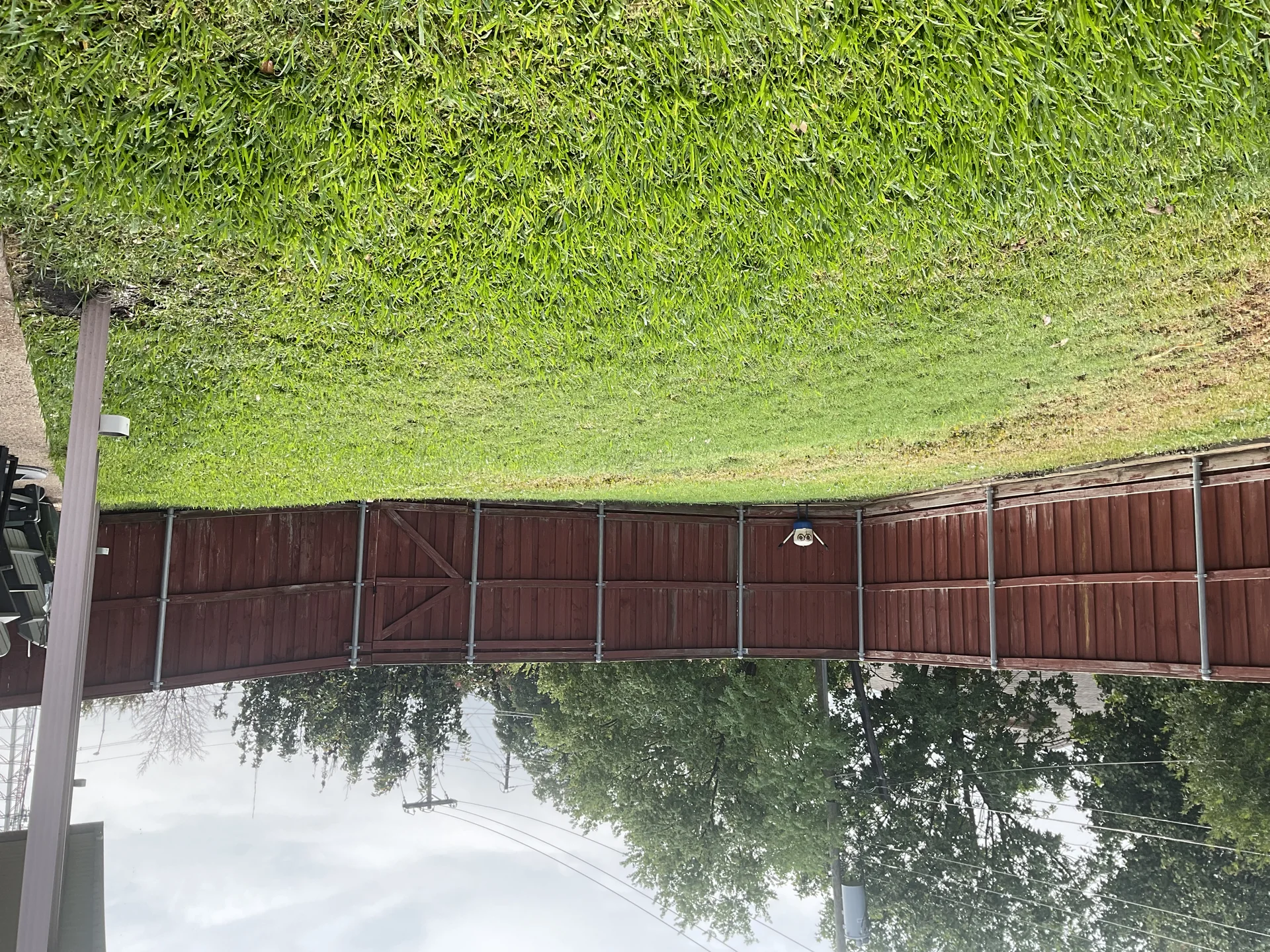
Fast-growing plants (wax myrtle, bamboo, Leyland cypress) give you privacy quickly but require more maintenance and may have shorter lifespans. They also tend to have weaker wood and can be damaged in ice storms.
Structured, slower-growing plants (yaupon holly, cherry laurel, Nellie R. Stevens) take longer to fill in but live longer, require less maintenance, and have stronger wood that handles our weather better.
Our recommendation: Plant a mix. Use fast-growing wax myrtle as a temporary screen while slower-growing yaupon holly or cherry laurel matures. Remove the wax myrtle in 5-7 years when the permanent screen is established.
Alternatives to Traditional Hedges
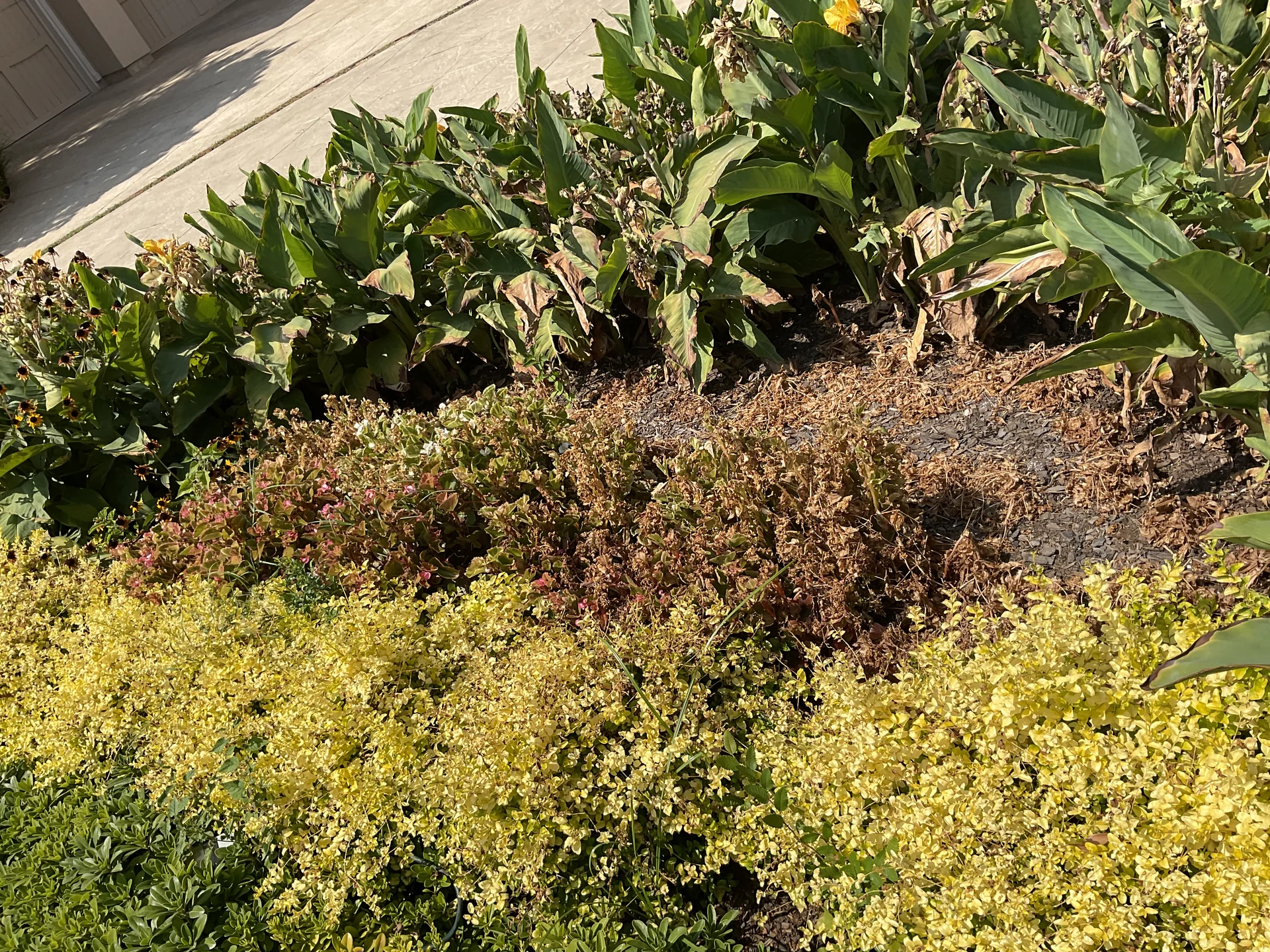
Fence + Vine Combination
Install a privacy fence (6-foot cedar or vinyl) and plant evergreen vines to soften it. This gives you instant privacy while the vines add beauty and habitat.
Best vines for DFW:
- Crossvine (Bignonia capreolata) — Evergreen in DFW, orange-red trumpet flowers in spring, attracts hummingbirds
- Carolina Jessamine (Gelsemium sempervirens) — Evergreen, yellow fragrant flowers in early spring
- Confederate Jasmine (Trachelospermum jasminoides) — Evergreen, intensely fragrant white flowers in spring
Layered Screen
Instead of a single row of one plant, create a layered screen with multiple species. This is more natural-looking, more disease-resistant, and provides better wildlife habitat.
Example layered screen (from back to front):
- Back: Wax myrtle or Nellie R. Stevens holly (10-15 feet)
- Middle: Dwarf yaupon holly or Texas sage (4-6 feet)
- Front: Gulf muhly grass or autumn sage (2-3 feet)
Maintenance: Pruning, Disease, and Care
Pruning Schedule
- Formal hedge: Prune 2-3 times per year (spring, early summer, late summer). Keep the base wider than the top so sunlight reaches the lower branches.
- Natural screen: Prune once per year in late winter (February) to remove dead wood and control size. Let plants maintain their natural shape.
- Never prune in late fall — new growth won’t harden off before winter and will be killed by frost.
Common DFW Hedge Problems
Powdery mildew — White powdery coating on leaves, common on cherry laurel and crape myrtle. Improve air circulation by thinning branches. Apply fungicide if severe.
Leaf spot — Brown or black spots on leaves, usually fungal. Remove affected leaves and avoid overhead watering.
Chlorosis — Yellowing leaves with green veins, caused by iron deficiency in alkaline soil. Apply chelated iron in spring and fall.
Spider mites — Fine webbing and stippled leaves, worst during hot, dry weather. Spray with horticultural oil or insecticidal soap.
Deer Resistance
If you live near greenbelts or parks in DFW, deer can destroy a privacy hedge overnight. Here’s how different options rank:
- Highly deer-resistant: Yaupon holly, Texas sage, wax myrtle, agarita
- Moderately deer-resistant: Nellie R. Stevens holly, cherry laurel (deer will browse it if hungry)
- Not deer-resistant: Leyland cypress, arborvitae, photinia
When to Call Groundhogs Services
A privacy hedge is a long-term investment. Poor plant selection, improper spacing, or bad soil preparation can cost you years of growth. Groundhogs Services specializes in privacy hedge design and installation for DFW homeowners. We’ll help you choose the right plants, prepare the soil properly, and install them for maximum growth and longevity.
Ready to create your private oasis? Call us at (214) 713-1228 or visit groundhogstx.com to schedule your consultation. We serve Mesquite, Dallas, Garland, Rockwall, and the entire DFW metroplex.