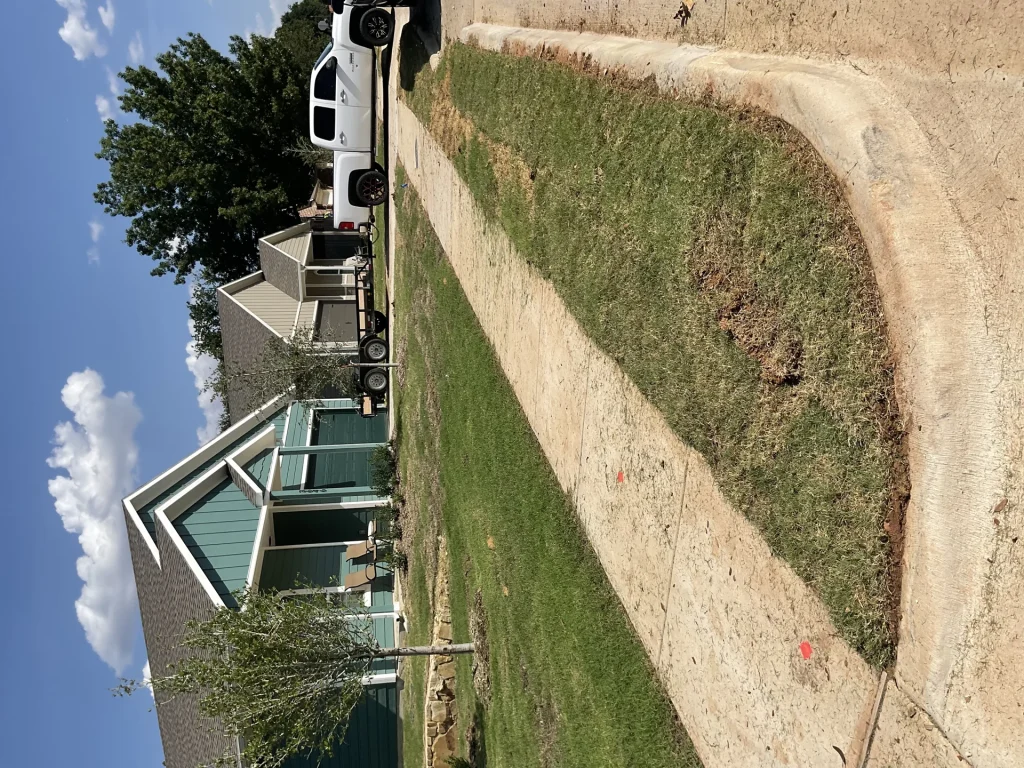
Nothing ruins a North Texas evening on the patio quite like the high-pitched whine of a mosquito. In the Dallas-Fort Worth area, mosquitoes aren’t just annoying — they’re a genuine health concern. West Nile virus is a recurring threat in DFW, and recent years have seen cases of dengue and chikungunya in Texas. At Groundhogs Services, we help homeowners in Mesquite, Dallas, and across the metroplex create landscapes that naturally reduce mosquito populations. Here’s how you can take back your yard.
The DFW Mosquito Problem
North Texas has the perfect recipe for mosquitoes: heat, humidity, and standing water. Our region is home to over 50 species of mosquitoes, but the two you need to worry about most are:
- Culex quinquefasciatus (Southern house mosquito) — The primary carrier of West Nile virus in Texas. It breeds in stagnant water and is most active at dawn and dusk.
- Aedes aegypti (Yellow fever mosquito) — An aggressive daytime biter that breeds in small containers. It’s the vector for dengue, Zika, and chikungunya. This species has exploded in DFW over the last decade.
Both species can breed in as little as a bottle cap of standing water. A single female can lay 100-300 eggs at a time, and those eggs can survive dry conditions for months before hatching.
Mosquito-Repelling Plants: What Actually Works
Let’s be clear: planting mosquito-repelling plants alone will not eliminate mosquitoes from your yard. The volatile oils in these plants need to be crushed and released into the air to have any effect. However, they’re an excellent addition to a comprehensive mosquito control strategy.
Top Plants for DFW
Citronella Grass (Cymbopogon nardus)
The plant that gives citronella candles their name. It grows 5-6 feet tall in DFW and releases its signature scent when brushed against. Plant it in large containers near patios and entryways. It’s a perennial in Texas but may die back in hard freezes.
Lavender (Lavandula spp.)
Lavender thrives in our hot, dry summers and poor soil. The essential oils in its flowers repel mosquitoes, moths, and fleas. Plant it in full sun along walkways and near seating areas. English lavender and French lavender both do well in DFW.
Marigolds (Tagetes spp.)
These bright annuals contain pyrethrum, a natural insecticide compound. They’re cheap, easy to grow, and bloom from spring through first frost. Plant them in borders around your vegetable garden and patio. French marigolds have the strongest repellent effect.
Rosemary (Salvia rosmarinus)
A drought-tolerant perennial that thrives in Texas. The woody, aromatic scent masks the carbon dioxide and lactic acid that attract mosquitoes. Plant it as a low hedge near outdoor kitchens and grills. When you throw a sprig on the coals, the smoke adds another layer of protection.
Catnip (Nepeta cataria)
Studies show catnip is 10 times more effective than DEET at repelling mosquitoes. The active compound, nepetalactone, triggers a chemical aversion in mosquitoes. It’s a vigorous grower in DFW — contain it in pots unless you want it everywhere.
Lemon Balm (Melissa officinalis)
A member of the mint family with a strong lemon-citronella scent. It’s easy to grow in shade or partial sun and spreads readily. The crushed leaves can be rubbed directly on skin for a natural repellent.
Pro tip: Plant these in clusters near seating areas and entry points. Crush a few leaves and rub them on your skin before spending time outside. Replace container plants every 2-3 years as the essential oil content declines.
Eliminating Breeding Sites
This is the single most effective thing you can do. Mosquitoes need standing water to breed, and most DFW homeowners have more breeding sites than they realize.
What to Check
- Clogged gutters — A single clogged gutter can produce thousands of mosquitoes. Clean gutters in spring and fall, and ensure downspouts drain away from the foundation.
- Bird baths — Change the water every 3-4 days. Better yet, add a small fountain or agitator — mosquitoes won’t lay eggs in moving water.
- Plant saucers — Those trays under your potted plants are perfect mosquito nurseries. Empty them weekly or fill them with sand to absorb the water.
- Kids’ toys and equipment — Turn over buckets, wagons, and play sets after rain. Check tire swings — the hollow area inside tires holds water for weeks.
- Low spots in the lawn — Areas where water pools after rain should be filled or regraded. A 2-inch depression can breed mosquitoes for a week after a storm.
- French drains and catch basins — These can become mosquito factories if they hold standing water. Use mosquito dunks (Bti briquettes) in catch basins monthly.
Drainage Improvements
Poor drainage is a major contributor to mosquito problems in DFW clay soil. Our heavy clay doesn’t absorb water quickly, leading to surface pooling after every rain.
Solutions:
- French drains — Trench drains with perforated pipe that channel water away from problem areas. Install them along fence lines and in low spots.
- Dry creek beds — Decorative rock channels that collect and redirect surface water. They add visual interest while solving drainage problems.
- Regrading — Reshaping the lawn to create positive drainage away from the house and patio. A 2% slope (2 feet of drop per 100 feet) is ideal.
- Rain gardens — Shallow depressions planted with native, water-tolerant plants that absorb and filter runoff. They’re beautiful and functional.
Professional Misting Systems
For homeowners who want serious mosquito control, automatic misting systems are the gold standard. These systems consist of a network of nozzles installed around the perimeter of your yard, connected to a reservoir of insecticide. They automatically mist at dawn and dusk when mosquitoes are most active.
What we recommend:
- Pyrethroid-based formulations (lambda-cyhalothrin, bifenthrin) — These are the most effective and break down quickly in sunlight, minimizing environmental impact.
- System placement — Nozzles should be installed in shrubs, under eaves, and along fence lines — not in open lawn areas. This targets mosquito resting sites.
- Timing — Systems should mist at 4-5 AM and 7-8 PM during active season (April through October in DFW).
- Maintenance — Nozzles need cleaning every 4-6 weeks, and the reservoir needs refilling monthly.
Groundhogs Services installs and maintains professional misting systems for DFW homeowners. We use EPA-registered products that are safe for people and pets when applied correctly.
DFW West Nile Considerations
West Nile virus is endemic in North Texas. Dallas County consistently reports some of the highest case numbers in the state. The virus is carried by Culex mosquitoes, which breed in stagnant water and feed primarily on birds.
What you need to know:
- West Nile season in DFW runs from June through October, peaking in August and September
- The Culex mosquito is most active from dusk to dawn — limit outdoor activity during these hours
- 8 out of 10 people infected with West Nile show no symptoms, but 1 in 150 develops severe neurological illness
- Dallas County conducts mosquito surveillance and spraying, but they can’t treat private property
When to Call Groundhogs Services
Mosquito control requires a multi-layered approach. If you’ve tried plants and eliminating standing water but still can’t enjoy your yard, it’s time for professional help.
Groundhogs Services offers comprehensive mosquito control programs for DFW homeowners, including:
- Property inspection and breeding site identification
- Barrier spray treatments (lasts 3-4 weeks per application)
- Misting system installation and maintenance
- Drainage improvement and grading
- Ongoing seasonal management
Don’t let mosquitoes ruin another summer. Call us at (214) 713-1228 or visit groundhogstx.com to schedule your free consultation. We serve Mesquite, Dallas, Garland, Rockwall, and the entire DFW metroplex.