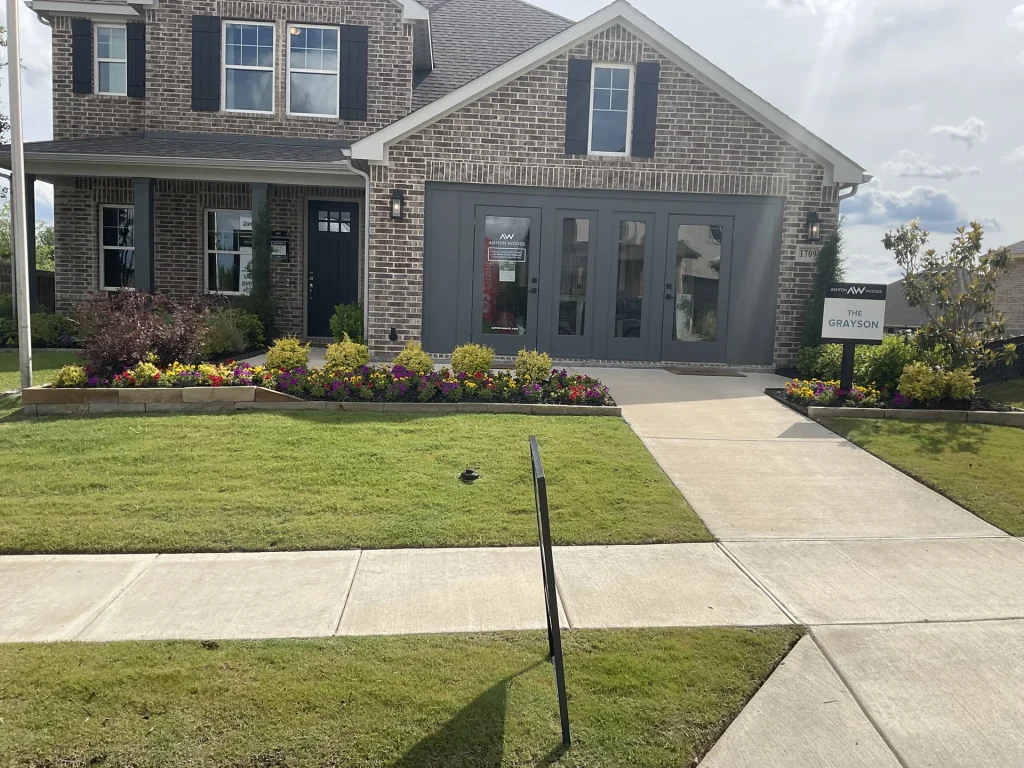
If you serve on an HOA board in Texas, you’ve probably dealt with landscape disputes. The overgrown lawn, the dead tree, the homeowner who replaced their front yard with gravel and cactus. These issues are among the most common — and most contentious — that boards face.
Texas Property Code 202.007 provides a legal framework that balances homeowner rights with community standards. For DFW HOA board members, understanding this law is essential for fair, enforceable landscape compliance.
Texas Property Code 202.007: The Basics
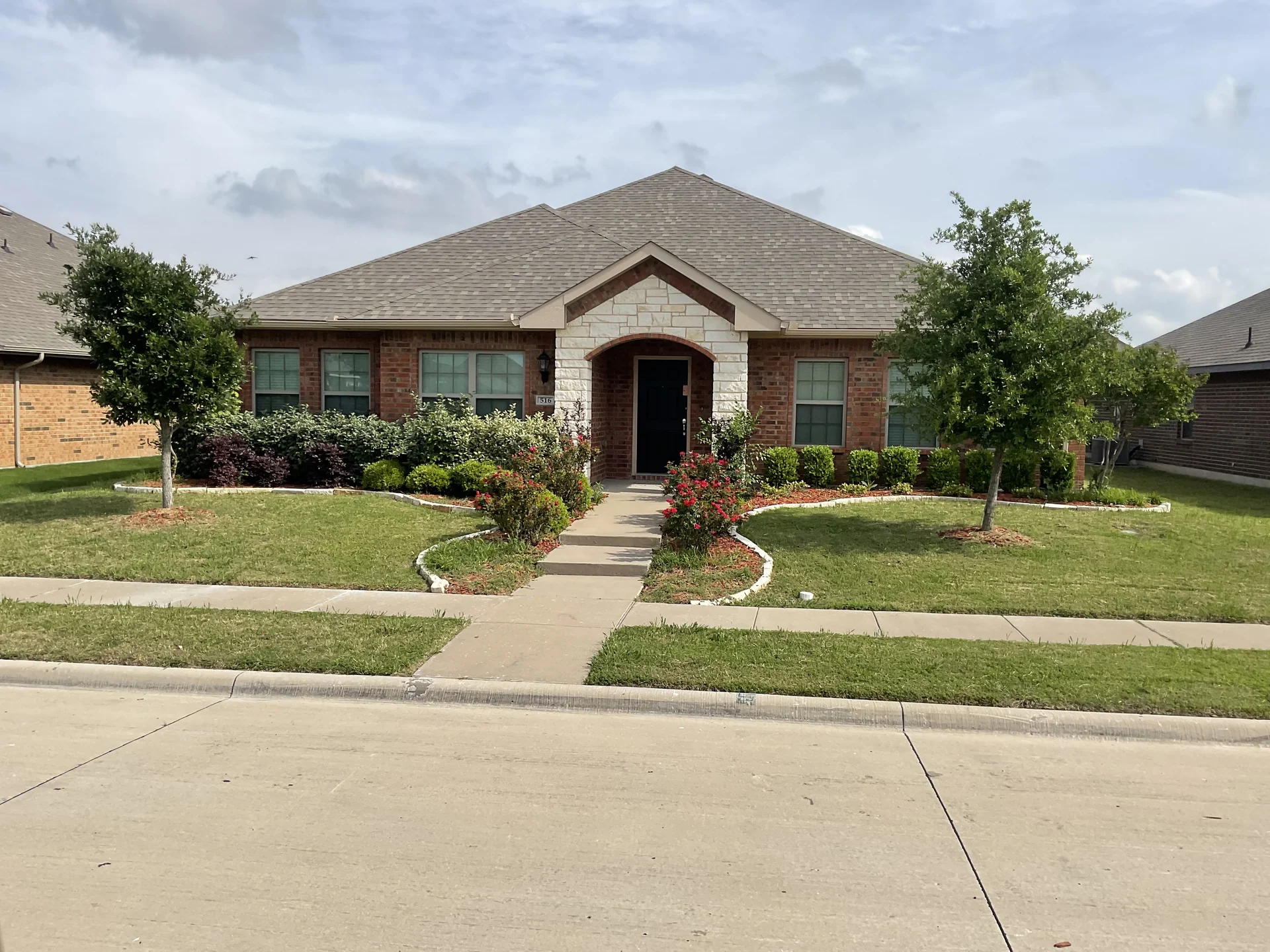
Enacted in 2013 and updated in subsequent sessions, Texas Property Code 202.007 limits the ability of homeowners associations to prohibit certain landscaping practices. The law was designed to encourage water conservation and native landscaping while still allowing HOAs to maintain reasonable aesthetic standards.
What the law says:
- An HOA may not enforce a restrictive covenant that prohibits a property owner from using drought-resistant landscaping or water-conserving natural turf
- HOAs cannot require a property owner to install or maintain turf grass that is not adapted to the local climate
- HOAs cannot prohibit the use of native or adapted plants that are beneficial for water conservation
- The law does not prevent HOAs from requiring general maintenance and weed control
What this means for your HOA: You can still require homeowners to maintain their property. You can still enforce rules about neatness, weed control, and general upkeep. But you cannot force homeowners to maintain a specific type of grass or prohibit water-wise landscaping choices.
Common Landscape Violations in DFW HOAs
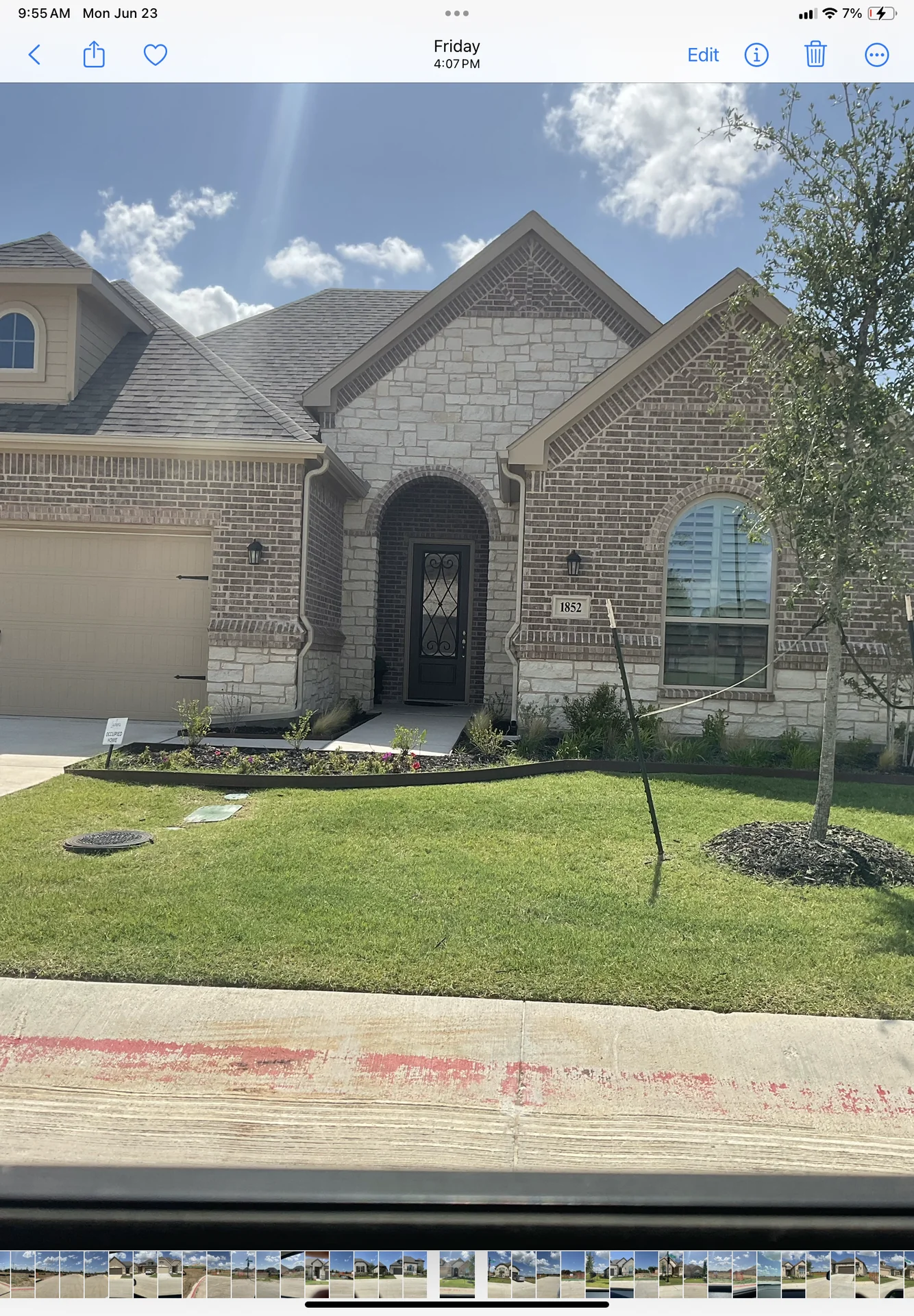
Based on our experience working with HOAs across Dallas, Mesquite, Garland, and Plano, these are the most common landscape violations:
1. Overgrown turf — Grass exceeding 8-12 inches in height. This is the most common violation and the easiest to enforce. Most HOA covenants specify a maximum turf height.
2. Dead or dying vegetation — Trees, shrubs, or turf that has died and creates an eyesore. Texas drought and freeze events make this a recurring issue.
3. Weed infestations — Nutsedge, crabgrass, dandelions, and other weeds that spread to neighboring properties.
4. Unmaintained beds — Mulch that has decomposed, bare soil, or overgrown shrubs that block walkways or sight lines.
5. Improper hardscape installation — Retaining walls, patios, or pathways installed without approval or not meeting community standards.
6. Irrigation issues — Broken sprinkler heads spraying onto sidewalks or streets, or irrigation systems that are not maintained.
Enforcement: Best Practices for HOA Boards
Enforcing landscape standards requires consistency, documentation, and a clear process.
Step 1: Clear, written standards
Your HOA’s landscape guidelines should be specific and measurable. Instead of “lawns must be maintained,” specify “turf must not exceed 8 inches in height.” Instead of “beds must be neat,” specify “beds must be mulched with 2-3 inches of shredded hardwood mulch, free of weeds.”
Step 2: Consistent enforcement
Apply the same standards to every homeowner. Selective enforcement creates legal exposure and erodes community trust. If you allow one homeowner to let their lawn go, you’ve set a precedent that makes it harder to enforce against others.
Step 3: Notice and opportunity to cure
Texas law requires HOAs to provide notice and a reasonable opportunity to correct violations before imposing fines. Typical process:
- Written notice describing the violation
- 10-14 days to correct the issue
- Follow-up inspection
- Fine schedule for continued non-compliance
Step 4: Documentation
Photograph every violation. Keep records of all notices sent. Document the date and time of follow-up inspections. If a dispute escalates to legal action, your documentation is your best defense.
Drought Restrictions and Landscape Standards
During drought conditions, DFW municipalities impose watering restrictions that can conflict with HOA landscape standards. Here’s how to handle it:
- Brown grass is not a violation — During mandatory watering restrictions, you cannot fine homeowners for dormant or brown turf. The grass isn’t dead; it’s conserving water.
- Dead vegetation is still a violation — If plants die from lack of water, homeowners are still responsible for removing dead vegetation and replacing it when conditions allow.
- Temporary exceptions — Many HOAs adopt temporary drought policies that relax turf standards during officially declared drought conditions.
Pro tip: Update your HOA’s landscape guidelines to include a drought provision that automatically adjusts standards during water restrictions. This prevents conflict and gives homeowners clear expectations.
Native Plant Allowances Under Texas Law
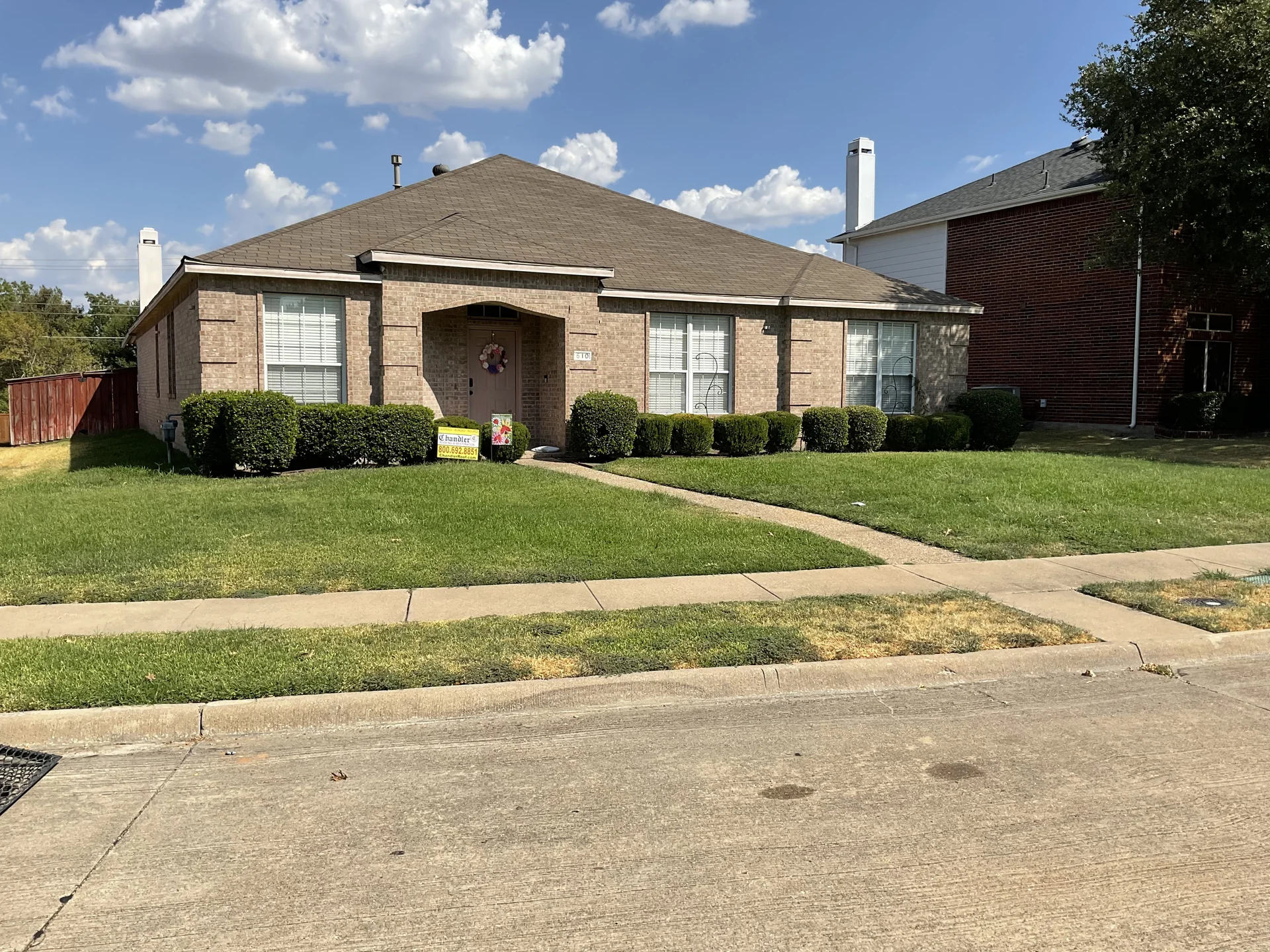
Texas Property Code 202.007 specifically protects the use of native and adapted plants. Your HOA cannot:
- Prohibit the use of plants native to the Texas Blackland Prairie or Edwards Plateau regions
- Require a specific percentage of turf grass in front yards
- Ban xeriscaping or water-efficient landscape designs
- Prohibit rain barrels or rainwater harvesting systems (though they may impose reasonable screening requirements)
What your HOA can still do:
- Require a landscape plan submission and approval
- Prohibit invasive species (like Chinese tallow or Johnson grass)
- Require that all visible landscape areas be planted and mulched (no bare dirt)
- Set reasonable standards for plant size, spacing, and placement
- Require screening for utility items like rain barrels and compost bins
DFW-Specific HOA Trends
Mesquite and East Dallas: Many established neighborhoods are seeing a shift toward native landscaping as homeowners become more water-conscious. Forward-thinking HOAs are updating their guidelines to embrace this trend rather than fighting it.
Plano and Frisco: Newer master-planned communities often have the most detailed landscape standards. These HOAs typically require landscape plan approval for any front-yard changes and have strict rules about turf-to-bed ratios.
Garland and Richardson: Mid-century neighborhoods with mature trees face unique challenges — root damage to sidewalks, overgrown canopies, and irrigation systems that need updating. HOA boards in these areas should prioritize tree preservation and irrigation efficiency in their landscape standards.
South Dallas and Oak Cliff: Historic neighborhoods often have less restrictive covenants but face challenges with vacant lots and absentee property owners. Enforcement in these areas requires a different approach — more education and assistance, less punitive action.
Creating a Landscape Compliance Program
A proactive landscape compliance program is more effective than a reactive one. Consider these elements:
- Annual landscape inspections — Walk the community once per quarter and identify issues before they become violations
- Educational resources — Provide homeowners with lists of approved native plants, recommended landscapers, and water conservation tips
- Landscape assistance programs — Some HOAs offer matching funds or discounted rates for homeowners who upgrade to water-efficient landscaping
- Approved plant lists — Maintain a list of plants that meet community standards and are adapted to the local climate
- Seasonal reminders — Send newsletters with seasonal maintenance tips and reminders about upcoming compliance deadlines
When to Call a Professional
Some landscape issues require more than a notice and a fine. Consider professional help when:
- A homeowner’s landscape is causing drainage issues on neighboring properties
- Trees need removal or major pruning (always use a certified arborist)
- Irrigation systems need evaluation for leaks or inefficiency
- Common areas need renovation or redesign
- You’re updating your community’s landscape guidelines
Groundhogs Services: Your HOA Landscape Partner
Managing HOA landscape compliance is a balancing act — protecting property values while respecting homeowner rights and Texas law. Groundhogs Services works with HOAs across the DFW metroplex to provide landscape maintenance, compliance evaluations, and community-wide landscape improvements.
Call (214) 713-1228 or visit groundhogstx.com to learn how we can help your HOA maintain beautiful, compliant landscapes.