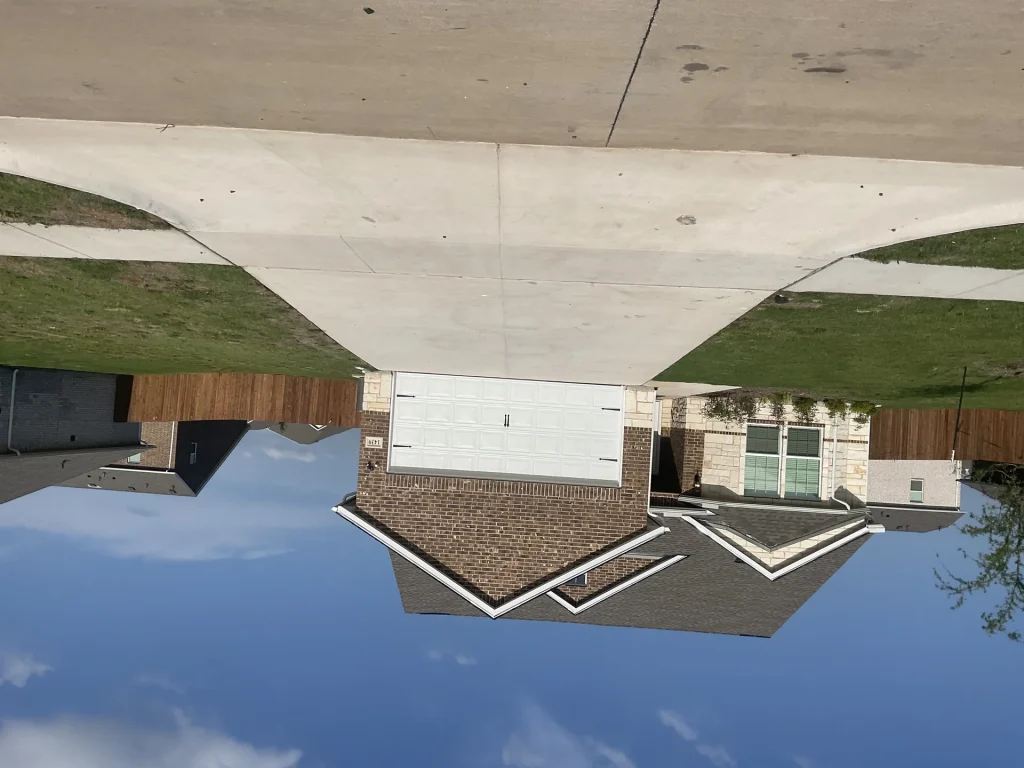
If you own a home in North Texas, you already know the challenge: your yard has to survive blistering summer heat, sudden gully-washer storms, and clay soil that swells when wet and cracks when dry. Softscaping alone — turf, shrubs, flowerbeds — can only do so much. That is where hardscaping comes in.
Hardscaping refers to the non-living, structural elements of your landscape: patios, walkways, retaining walls, fire pits, outdoor kitchens, and any other built feature made from stone, concrete, brick, or pavers. In the DFW climate, hardscaping is not just about aesthetics — it is about creating outdoor spaces that actually function year-round, hold up to Texas weather, and add real value to your property.
This guide covers everything a DFW homeowner needs to know about hardscaping DFW projects, from material selection and cost expectations to maintenance and ROI. Whether you are planning a paver patio Dallas homeowners will envy or a retaining wall Texas weather won’t destroy, you will find practical, locally relevant advice here.
What Is Hardscaping and Why Does It Matter in DFW?
Hardscaping is the backbone of any well-designed landscape. It defines the shape of your outdoor space, controls how water moves across your property, and creates usable areas for entertaining, relaxing, and cooking. In the Dallas-Fort Worth metroplex, hardscaping matters even more because of three local factors:
- Clay soil. The expansive clay common across DFW shifts dramatically with moisture changes. Without proper base preparation, patios and walkways crack, settle unevenly, or heave. Professional hardscape design accounts for this from day one.
- Freeze-thaw cycles. North Texas gets enough freezing nights to make unsealed concrete and improperly installed pavers buckle. A hardscape built for this climate uses permeable joints, proper drainage layers, and frost-resistant materials.
- Drainage challenges. Flat lots, heavy downpours, and poor grading are a recipe for standing water. Hardscaping — especially permeable pavers, graded retaining walls, and French drains — is one of the most effective ways to manage stormwater on a residential property.
Done right, hardscaping transforms a yard from something you maintain into something you use.
Types of Hardscaping for DFW Homes
Paver Patios
A paver patio is the most popular hardscape project in North Texas — and for good reason. Pavers outperform poured concrete in nearly every category that matters here: they flex with soil movement, drain through their joints, and allow individual replacement if a unit cracks.
Best for: Entertaining areas, pool surrounds, dining spaces, fire pit seating zones.
DFW-specific considerations:
- Use permeable polymeric sand in joints to allow water infiltration and reduce runoff.
- Base depth should be 6–8 inches of compacted crushed stone (Class II road base) to combat clay soil movement.
- Choose pavers with a textured or tumbled finish — smooth pavers become dangerously slick when wet or frosty.
Retaining Walls
If your lot has any slope at all — and many DFW neighborhoods sit on gentle grades — a retaining wall is one of the smartest investments you can make. Retaining walls hold back soil, create level planting areas, prevent erosion, and can double as seating walls around a patio or fire pit.
Best for: Sloped lots, terraced gardens, raised planter beds, erosion control, seating.
DFW-specific considerations:
- Drainage is non-negotiable. Every retaining wall in Texas clay needs a gravel backfill and perforated drain pipe at the base. Without it, hydrostatic pressure will push the wall over within a few seasons.
- Use segmental concrete retaining wall blocks (like Allan Block or Versa-Lok) — they are engineered for the soil conditions here and do not require mortar, which means they can flex with ground movement.
- Wall height over 4 feet requires engineering and permits in most DFW municipalities. A professional contractor handles this.
Paver Walkways and Pathways
A well-designed walkway does more than get you from point A to point B. It guides visitors to your front door, separates zones in the backyard, and adds visual structure to the landscape. In DFW, walkways also help keep mud and grass clippings out of the house during wet months.
Best for: Front entry paths, garden pathways, side-yard access routes, pool-to-house connections.
DFW-specific considerations:
- Walkways should slope at least 1/4 inch per foot away from the house to direct water away from the foundation.
- Use larger pavers (12×12 or 18×18) for main walkways — smaller pavers create a busy look and more joints to maintain.
- Edge restraint is critical. Without it, clay soil expansion will push walkway pavers out of alignment within a year.
Fire Pits and Outdoor Fireplaces
Nothing extends the North Texas outdoor season like a fire feature. With mild fall and spring evenings, a fire pit turns your patio or backyard into a gathering space from September through May. Gas fire pits offer convenience; wood-burning pits offer the crackle and smell that make outdoor evenings memorable.
Best for: Patio focal points, backyard entertainment zones, cool-weather gathering.
DFW-specific considerations:
- Gas fire pits require a gas line run by a licensed plumber — factor this into your budget.
- Wood-burning fire pits should sit on a non-combustible base (concrete pavers, flagstone, or gravel) at least 10 feet from structures.
- Wind screens or low-profile designs help in open DFW lots where breezes can be steady.
Outdoor Kitchens
The outdoor kitchen trend has hit DFW hard — and it makes sense. When summer temperatures make indoor cooking unbearable, an outdoor kitchen with a grill, prep space, sink, and mini-fridge lets you cook, eat, and entertain without retreating inside.
Best for: Serious home cooks, frequent entertainers, poolside living.
DFW-specific considerations:
- Use stainless steel for all appliances and cabinetry — humidity and heat will rust standard materials.
- Countertops should be granite, quartzite, or concrete — avoid marble and limestone in this climate.
- Include a sink with a hose bib for easy cleanup and plant watering.
- Plan for shade — a pergola or hardtop cover makes the kitchen usable in July and August.
Driveway and Entry Pavers
Concrete driveways are standard in DFW, but they crack. Paver driveways cost more upfront but last longer, look better, and allow water to drain through rather than running into the street. For homeowners focused on curb appeal, a paver driveway or bordered concrete driveway with paver accents is a strong upgrade.
Best for: Front-of-house curb appeal, long-term durability, drainage management.
DFW-specific considerations:
- Driveway pavers need the heaviest base — 8–10 inches of compacted base material.
- Use vehicular-rated pavers (minimum 60mm thickness for residential, 80mm for heavy use).
- Seal the pavers annually to protect against oil stains and Texas sun fade.
Material Comparison: Concrete vs. Pavers vs. Natural Stone
Choosing the right material is the most important decision in any hardscape project. Here is how the three main options stack up for DFW conditions.
Poured Concrete
- Cost: $6–$12 per square foot (stamped or colored adds $3–$8)
- Durability: Moderate. Cracks in clay soil. Stamped concrete can look great for 3–5 years but fades and chips.
- Maintenance: Low initially, but cracks require repair. Resealing stamped concrete every 2–3 years.
- Best for: Budget-conscious projects, modern/minimalist designs, large slabs where joints are acceptable.
- DFW verdict: Works if the base is properly prepared and control joints are cut, but expect cracking over time.
Concrete Pavers
- Cost: $10–$20 per square foot installed
- Durability: High. Individual pavers can be replaced. Flexes with soil movement.
- Maintenance: Low. Occasional sand replenishment, annual sealing, weed prevention between joints.
- Best for: Patios, driveways, walkways, pool decks — the DFW all-rounder.
- DFW verdict: The best value for the climate. Handles clay soil, freeze-thaw, and heavy rain better than any alternative.
Natural Stone (Flagstone, Limestone, Travertine)
- Cost: $18–$35 per square foot installed
- Durability: Very high, but stone selection matters. Limestone is soft and stains. Travertine handles heat well. Flagstone is durable but requires skilled installation.
- Maintenance: Moderate. Natural stone needs sealing. Some types (limestone) require more frequent care.
- Best for: High-end patios, pool surrounds, entryways, custom features.
- DFW verdict: Beautiful and long-lasting if you choose the right stone. Travertine stays cool underfoot — a real advantage in summer. Budget for premium installation.
DFW-Specific Hardscape Design Considerations
Clay Soil Preparation
The single biggest mistake homeowners make is skipping proper base preparation. DFW’s expansive clay soil (often Houston Black or similar) can shift up to several inches between wet and dry seasons. Every hardscape project needs:
- Excavation to at least 6–8 inches (more for driveways)
- A geotextile fabric layer to separate soil from base material
- Compacted Class II road base (crushed limestone with fines) in lifts
- Mechanical compaction with a plate compactor — hand tamping is not enough
Drainage Integration
Hardscaping and drainage go hand in hand. Every patio, walkway, and retaining wall should be designed to move water away from structures and toward an appropriate outlet. Consider:
- Permeable pavers for areas where you want water to soak in rather than run off
- French drains along retaining wall bases and low spots
- Crowned or sloped surfaces — patios should slope 1/4 inch per foot away from the house
- Rain gardens or dry creek beds at downspout outlets to manage concentrated flow
Freeze-Thaw Protection
DFW averages 20–40 freezing nights per year. That is enough to destroy improperly installed hardscapes. Key protections:
- Use permeable joint sand so water drains through rather than freezing on the surface
- Ensure the base layer is free-draining (no clay or silt in the base material)
- Seal pavers with a breathable sealer that allows moisture vapor to escape
- Avoid mortar-set installations in freeze-prone areas — mortar traps water
Heat Island Mitigation
DFW summers are brutal. Dark hardscape materials absorb heat and radiate it back, making patios and walkways unusable in the afternoon. Mitigation strategies:
- Choose light-colored pavers (buff, tan, light gray) that reflect rather than absorb heat
- Use travertine — it stays significantly cooler than concrete or bluestone
- Incorporate shade structures — pergolas, shade sails, or hardtop covers
- Leave planting pockets in hardscape designs for trees and shade plants
Cost Ranges for Hardscaping in DFW
Prices vary by material, project size, site conditions, and access. These are realistic ranges for the DFW market as of 2025–2026.
| Project Type | Typical Size | Cost Range (Installed) |
| :— | :— | :— |
| Paver patio | 300–500 sq ft | $4,500–$10,000 |
| Retaining wall | 50–100 sq ft face | $3,000–$8,000 |
| Paver walkway | 100–200 sq ft | $1,500–$4,000 |
| Fire pit (gas) | 4–6 ft diameter | $2,500–$6,000 |
| Outdoor kitchen | 8–12 ft counter | $8,000–$25,000 |
| Paver driveway | 400–800 sq ft | $6,000–$16,000 |
| Natural stone patio | 300–500 sq ft | $6,000–$15,000 |
Factors that increase cost:
- Poor access (narrow gates, backyard-only access)
- Demo and removal of existing concrete or hardscape
- Grading or drainage corrections
- Permit fees (required for walls over 4 ft, electrical, gas)
- Custom patterns or intricate layouts (herringbone, basketweave)
ROI: Does Hardscaping Add Value to Your Home?
Yes — and the numbers are strong for DFW.
According to national remodeling cost vs. value data and local real estate observations:
- Paver patios recoup 65–80% of their cost at resale, and they are one of the top features buyers look for in DFW.
- Retaining walls add functional square footage to sloped lots, which directly increases usable land value.
- Outdoor kitchens and fire pits are among the highest-ROI outdoor upgrades in Texas, where the outdoor living season is long.
- Paver driveways significantly boost curb appeal and can differentiate your home in a competitive market.
Beyond resale value, hardscaping reduces long-term maintenance costs. A well-built patio eliminates the need for mowing, weeding, and watering in that area. Retaining walls prevent erosion that would otherwise require ongoing soil replacement and replanting.
Maintenance Tips for DFW Hardscapes
Hardscaping is low maintenance — not no maintenance. Here is what to expect:
- Seal pavers every 2–3 years. Use a breathable, water-based sealer. This protects color, prevents weed growth in joints, and makes cleaning easier.
- Replenish joint sand annually. Polymeric sand settles and washes out over time. Top it off before sealing.
- Power wash gently. Use a wide fan tip (25–40 degrees) and keep the pressure under 1,500 PSI. Too much pressure blows out joint sand and damages paver edges.
- Inspect retaining walls after heavy rain. Look for bulging, leaning, or displaced blocks. Catch drainage issues early.
- Clean outdoor kitchen surfaces monthly. Texas dust and pollen accumulate fast. Stainless steel needs regular wiping to prevent pitting.
- Watch for weed growth in joints. Pull weeds when they are small. Apply a polymeric sand refresh if weeds become persistent.
Why Work with Groundhogs Services for Your Hardscape Project
Hardscaping in DFW is not a DIY-friendly category. The soil, drainage, and climate demands are too specific, and the cost of fixing a poorly built hardscape is higher than doing it right the first time.
Groundhogs Services brings decades of North Texas landscape experience to every project. We understand how clay soil behaves, what materials hold up to Texas summers, and how to design drainage into every hardscape from day one. Our team handles:
- Custom paver patio Dallas installations with proper base prep and drainage
- Retaining walls engineered for Texas soil conditions
- Paver walkways, driveways, and entry features
- Fire pits, outdoor kitchens, and complete outdoor living designs
- Grading and drainage integration with every hardscape project
We serve Mesquite, Dallas, and the surrounding DFW communities. Every project starts with a consultation where we walk your property, discuss your goals, and provide a detailed scope and quote — no pressure, no surprises.
Ready to Build a Hardscape That Lasts in North Texas?
Whether you are planning a small patio, a full backyard transformation, or something in between, the right hardscape starts with the right plan — and the right team.
Contact Groundhogs Services today to schedule a consultation. We will help you design a hardscape that looks great, performs through every Texas season, and adds lasting value to your home.
📞 Call us: (214) 713-1228
📧 Email: [email protected]
🌠Visit: groundhogstx.com
📠Serving: Mesquite, Dallas, and all of DFW