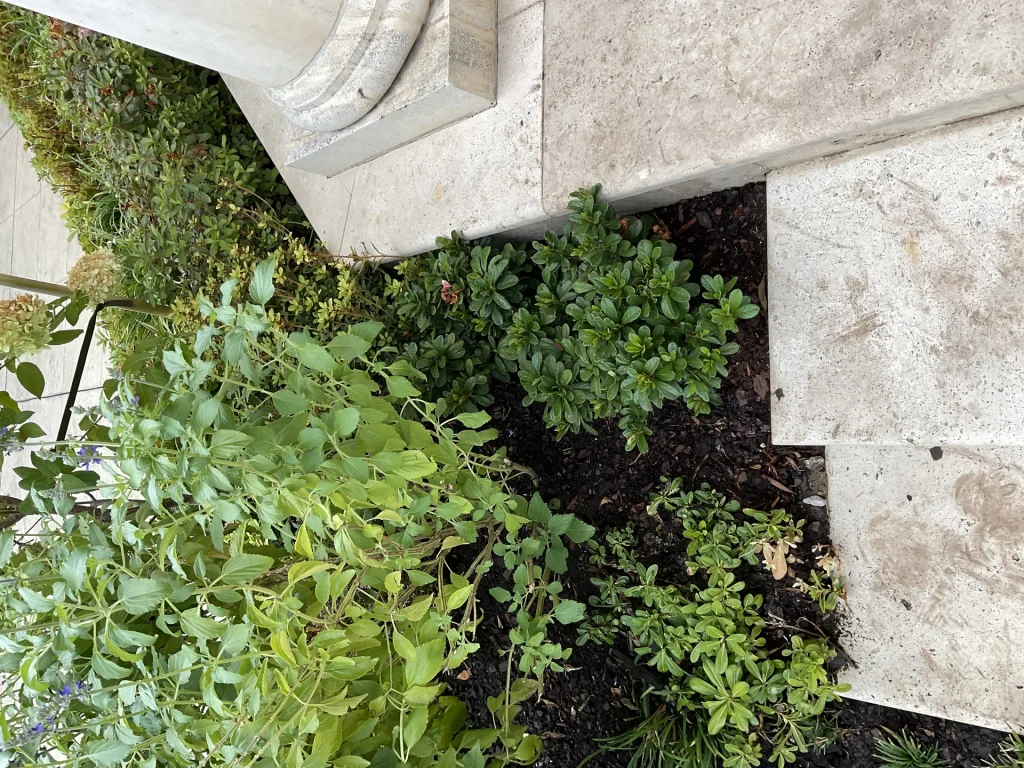
If you own a home in North Texas, your foundation is sitting on one of the most reactive soils in the country. The Blackland Prairie clay that stretches from Dallas to Mesquite to Garland is famous for one thing: movement. When it’s wet, it swells. When it’s dry, it shrinks. And your concrete slab foundation goes along for the ride.
Foundation watering is the single most effective way to stabilize the soil around your home and prevent costly foundation repairs. Here’s everything DFW homeowners need to know.
Why Foundation Watering Matters
Texas clay soil is expansive — it can increase in volume by 30% or more when saturated. During our long, hot summers, the soil dries out and contracts, creating voids under your foundation. When the soil rehydrates, it expands and pushes the slab back up.
This constant cycle of expansion and contraction is what causes:
- Cracks in drywall and brick veneer
- Doors and windows that stick or won’t close
- Sloping or uneven floors
- Gaps between baseboards and floors
- Cracked tile or stone flooring
The goal of foundation watering is simple: Maintain consistent soil moisture around your foundation so the soil doesn’t shrink and create voids. Consistent moisture = stable soil = stable foundation.
The Blackland Prairie Factor
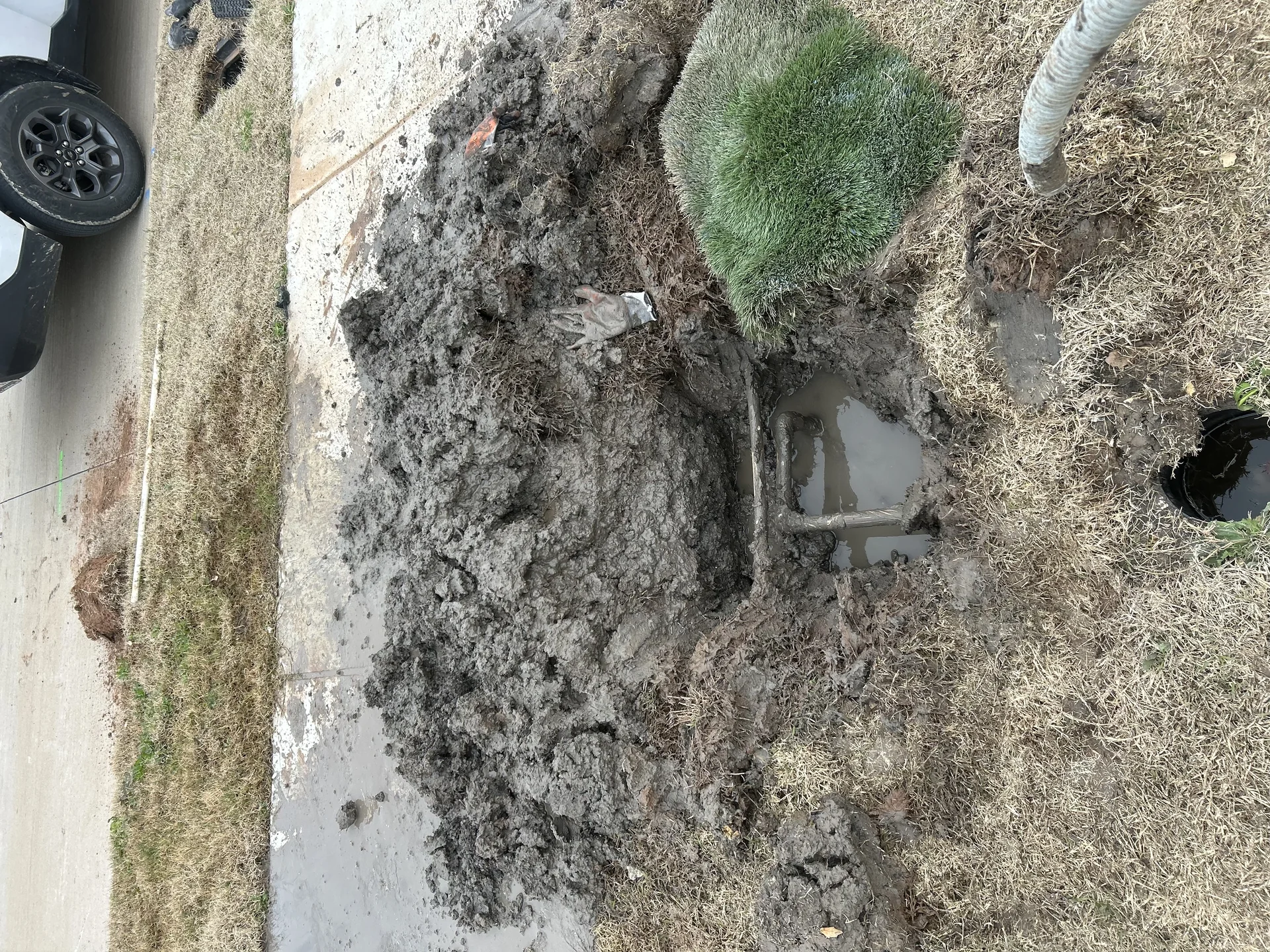
The Blackland Prairie region — which covers most of Dallas County, Collin County, and parts of Rockwall and Kaufman counties — has some of the most expansive clay in the United States. The soil here is classified as high-plasticity clay (CH in the Unified Soil Classification System), meaning it has an extremely high shrink-swell potential.
What this means for your foundation:
- During dry spells (June-August), the soil can shrink up to 2-3 inches in depth
- During wet periods (spring and fall), the same soil can swell significantly
- The transition zone — where soil goes from wet to dry — creates differential movement under your slab
- Trees and large shrubs near the foundation accelerate soil drying by pulling moisture from the ground
Soaker Hose Placement: Getting It Right
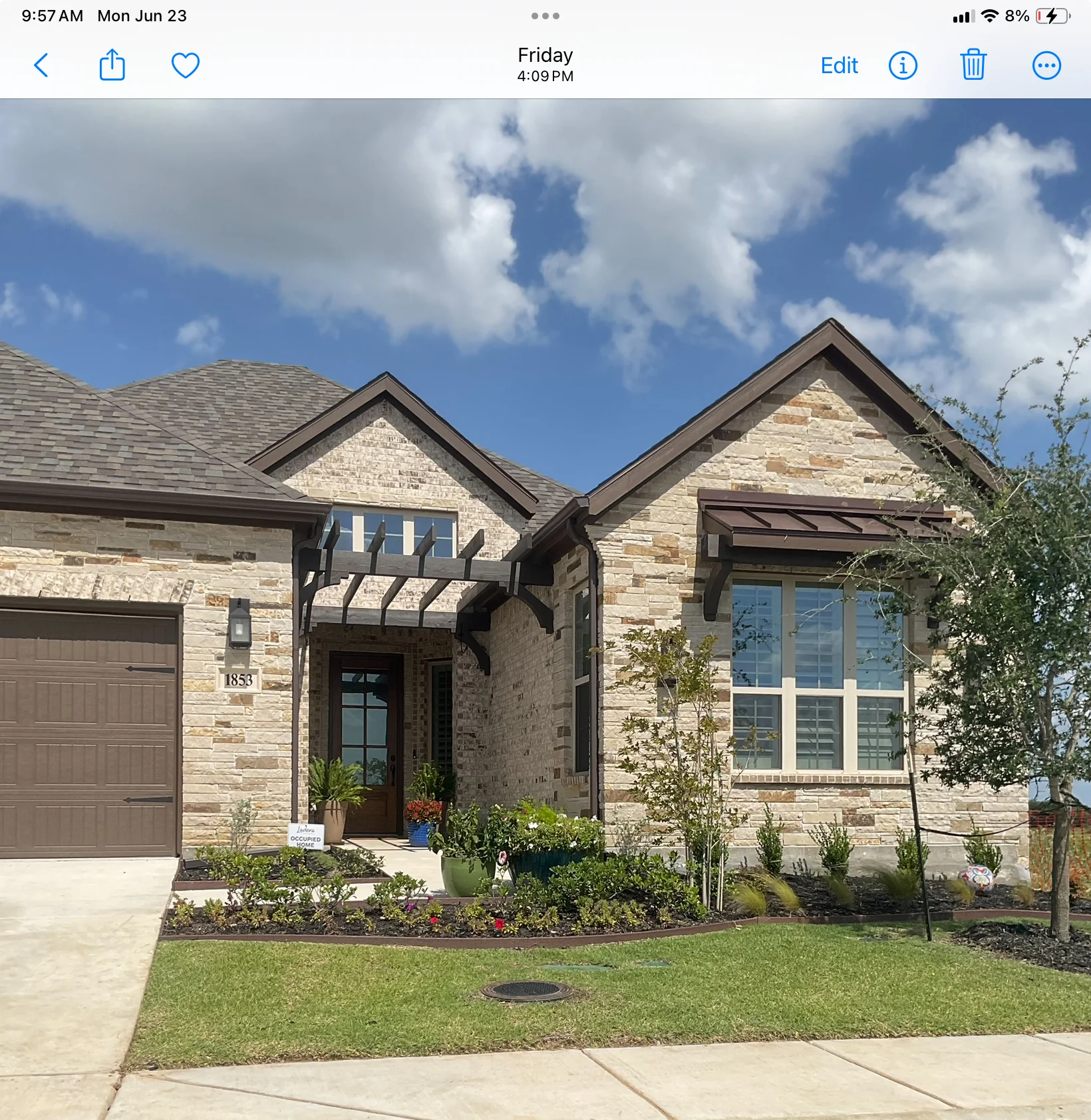
The most effective foundation watering method is a soaker hose system placed strategically around your home. Here’s the correct setup:
Distance from foundation: Place soaker hoses 3-5 feet from the foundation wall. This is critical. Watering too close to the slab can cause hydrostatic pressure against the foundation. Watering too far away doesn’t keep the critical soil zone moist.
Layout: Run soaker hoses around the entire perimeter of your home. For corners and re-entrant angles (inside corners where two walls meet), double up the hose — these areas experience the most stress and need extra moisture.
Depth: Soaker hoses should sit on the soil surface, covered with 2-3 inches of mulch. Do not bury them. Surface placement allows water to percolate downward, mimicking natural rainfall.
Coverage: A standard soaker hose waters about 2-3 feet on either side. Space multiple hoses 4-6 feet apart if you need wider coverage.
Scheduling: Seasonal Watering Guide
Foundation watering isn’t a set-it-and-forget-it task. You need to adjust based on the season and current weather conditions.
Spring (March-May)
- Frequency: 2-3 times per week
- Duration: 30-45 minutes per zone
- Notes: Spring rains usually provide adequate moisture. Water only during dry spells. Monitor soil moisture after heavy rain — you don’t want to oversaturate.
Summer (June-August)
- Frequency: Every other day during dry periods
- Duration: 45-60 minutes per zone
- Notes: This is the critical season. DFW summers can go 3-4 weeks without measurable rain. Don’t skip watering during heat waves. Water early morning (4-6 AM) to minimize evaporation.
Fall (September-November)
- Frequency: 1-2 times per week
- Duration: 30-45 minutes per zone
- Notes: As temperatures cool and fall rains return, reduce frequency. Continue watering through October even after temperatures drop — the soil is still drying out from summer.
Winter (December-February)
- Frequency: Every 2-3 weeks (if no rain)
- Duration: 20-30 minutes per zone
- Notes: Only water when temperatures are above 40°F and no rain is forecast. Disconnect and drain hoses before hard freezes. A dry winter with no supplemental watering can cause significant soil shrinkage.
Moisture Monitoring: Know When to Water
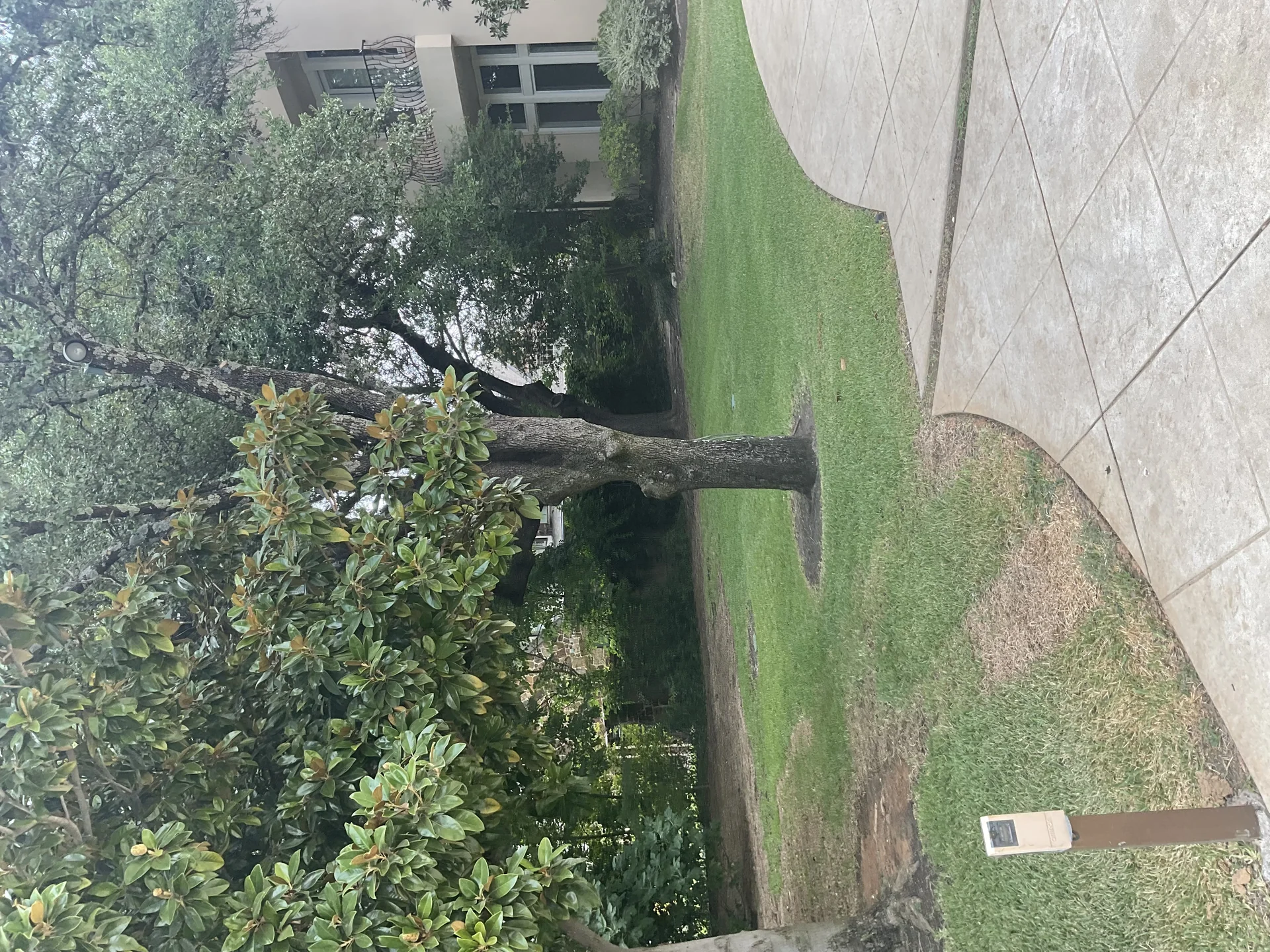
Don’t guess — measure. Here’s how to monitor soil moisture around your foundation:
The screwdriver test: Push a long screwdriver or soil probe into the ground near your foundation. If it goes in easily 6-8 inches, the soil has adequate moisture. If it’s difficult to push, the soil is dry and needs watering.
Moisture meters: A $20-30 soil moisture meter gives you accurate readings. Insert it 6-8 inches deep at several points around your foundation. Target moisture level: 20-30% volumetric water content.
Visual cues: Look for soil pulling away from the foundation (gap between soil and slab), cracks in the soil surface, and plants wilting near the house.
Signs of Foundation Stress
Catch foundation problems early by watching for these warning signs:
- Interior cracks: Hairline cracks in drywall, especially above doors and windows, or diagonal cracks from corners
- Exterior cracks: Stair-step cracks in brick veneer (cracks that follow the mortar joints in a step pattern)
- Door issues: Doors that stick in summer (when the foundation settles) and swing freely in winter (when it rises)
- Floor separation: Gaps between hardwood floorboards or tile that weren’t there before
- Window problems: Windows that are hard to open/close or have cracked panes
Important: Not all cracks mean foundation failure. Minor hairline cracks are common in Texas homes. But if you see multiple signs or cracks wider than 1/8 inch, have a foundation professional evaluate your home.
Integrating Foundation Watering with Your Irrigation System
The most reliable approach is to add a dedicated foundation watering zone to your existing irrigation system. This allows you to:
- Set a separate schedule for foundation watering (different from your lawn and bed zones)
- Use a smart controller that adjusts run times based on weather data
- Automate the process so you never forget to water during a dry spell
- Connect to a rain sensor that shuts off watering when adequate rainfall occurs
Groundhogs Services can design and install a dedicated foundation watering zone as part of your existing irrigation system, with soaker hoses, timers, and moisture sensors for precise control.
Cost of Foundation Watering vs. Foundation Repair
Let’s put this in perspective:
- Soaker hose system (DIY): $50-$150 for hoses, connectors, and a timer
- Professional foundation watering zone installation: $300-$800
- Annual water cost for foundation watering: $100-$300 (depending on rates and season)
- Foundation repair (typical DFW home): $5,000-$20,000+
The math is clear. A few hundred dollars a year in foundation watering is the cheapest insurance policy you can buy for your home’s most important structural component.
Protect Your Foundation — Start Watering Today
Your foundation is the most expensive part of your home to repair. Don’t wait until you see cracks in your drywall to start thinking about soil moisture management. A consistent foundation watering routine — especially during DFW’s brutal summers — will save you thousands in the long run.
Need help setting up a foundation watering system? Groundhogs Services serves Dallas, Mesquite, Garland, and the entire DFW area. Call (214) 713-1228 or visit groundhogstx.com to schedule a consultation.