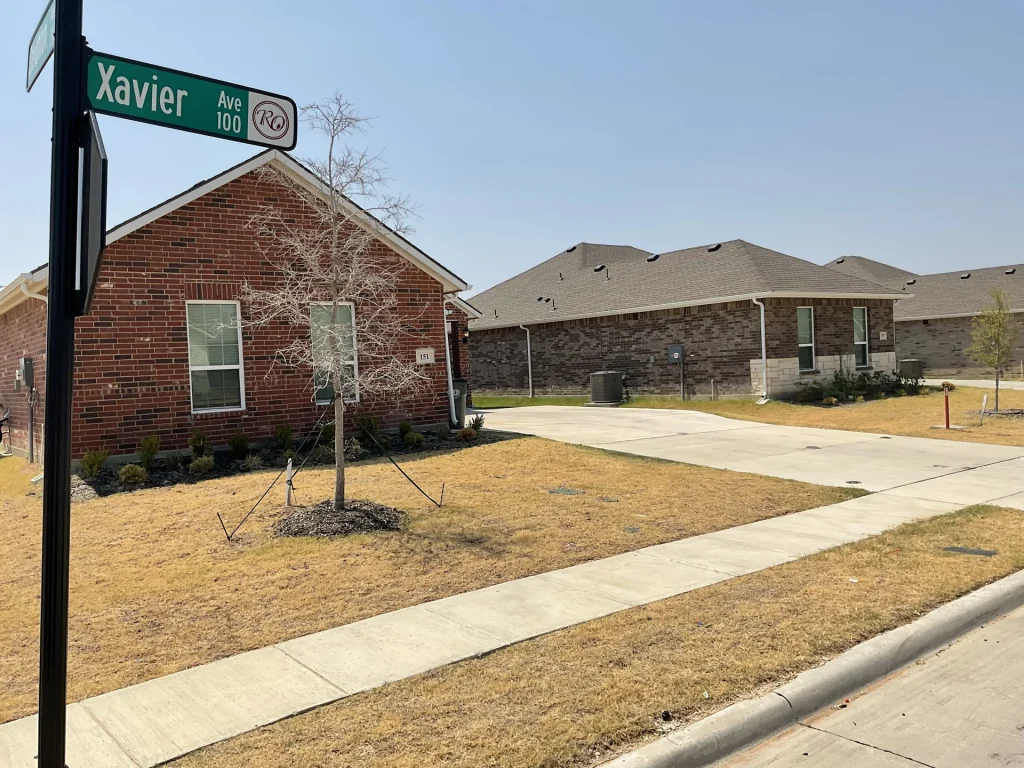
During brutal North Texas summers, triple-digit heat and weeks without rainfall transform suburban yards into scorched ground. In the Dallas-Fort Worth metroplex, water restrictions combined with our notorious Blackland Prairie clay soil make traditional moisture-loving landscaping an uphill, expensive battle. But heat and drought resilience do not mean you are limited to gravel and cacti. By selecting climate-adapted and native Texas species, you can cultivate a vibrant, multi-layered landscape that blooms from March through November while cutting supplemental watering by up to 50%.
At Groundhogs Services, our landscape crews specialize in drought-first design and native plant installations across Dallas, Mesquite, Garland, and Plano. Below is our definitive guide to the 20 best drought-tolerant plants for Texas heat, categorized by landscape function and complete with site requirements for North Texas properties.
Category 1: Native Flowering Shrubs & Accents
Hardy flowering shrubs provide year-round architectural structure, seasonal blooms, and critical food sources for local pollinators without demanding high water volumes.
1. Texas Sage (Leucophyllum frutescens)
Also known as “Barometer Bush,” Texas Sage is legendary for bursting into vibrant purple-magenta blooms immediately following summer rainfall or sudden humidity spikes. Its compact silver-gray foliage reflects harsh sunlight, preventing heat stress and water loss.
- Mature Dimensions: 5–8 ft tall, 4–6 ft wide.
- Sun & Soil: Full sun (minimum 6–8 hours direct sunlight); requires well-drained, alkaline clay or amended soil.
- Water Needs: Extremely low once established; susceptible to root rot if overwatered.
- Landscape Use: Informal privacy hedge, foundation accent, or background layering.
2. Flame Acanthus (Anisacanthus quadrifidus var. wrightii)
A native Texas powerhouse that thrives in scorching reflective heat. From mid-summer through late fall, Flame Acanthus produces hundreds of tubular, flame-orange blooms that serve as a primary nectar source for migrating hummingbirds.
- Mature Dimensions: 3–5 ft tall and wide.
- Sun & Soil: Full sun to light afternoon shade; highly adaptable to heavy clay and poor soils.
- Water Needs: Very low; handles prolonged mid-summer dry spells without wilting.
- Landscape Use: Mixed perennial borders, patio accents, and wildlife gardens.
3. Autumn Sage (Salvia greggii)
A staple of Texas xeriscape design, Autumn Sage is a semi-evergreen subshrub available in cherry red, coral, pink, purple, and white cultivars. It provides two distinct blooming peaks: early spring and late autumn, bridging the summer heat gap with persistent evergreen structure.
- Mature Dimensions: 2–3 ft tall and wide.
- Sun & Soil: Full sun; needs well-drained soil; cut back by one-third in February to promote dense branching.
- Water Needs: Low; weekly watering during the first summer, monthly once rooted.
- Landscape Use: Border edging, mass plantings along walkways, and rock gardens.
4. Texas Mountain Laurel (Dermatophyllum secundiflorum)
A slow-growing evergreen treasure that functions as a large specimen shrub or small multi-trunk patio tree. In early spring, it produces heavy cascading clusters of purple blossoms renowned for their intense, grape-soda fragrance.
- Mature Dimensions: 10–15 ft tall, 8–10 ft wide.
- Sun & Soil: Full sun to partial shade; highly tolerant of limestone and rocky clay soils.
- Water Needs: Extremely low; practically thrives on neglect once its taproot is established.
- Landscape Use: Front yard focal points, courtyards, and property corners.
5. Agarita (Mahonia trifoliolata)
A native evergreen shrub featuring sharp holly-like foliage that creates an impenetrable barrier against browsing deer. Fragrant yellow blooms in February give way to edible red berries prized by native songbirds.
- Mature Dimensions: 4–6 ft tall and wide.
- Sun & Soil: Full sun to dappled shade; thrives in dry, rocky caliche and alkaline clay.
- Water Needs: Negligible; strictly relies on natural rainfall after year one.
- Landscape Use: Security perimeter screening and naturalized wildlife buffers.
Category 2: Resilient Native Perennials & Wildflowers
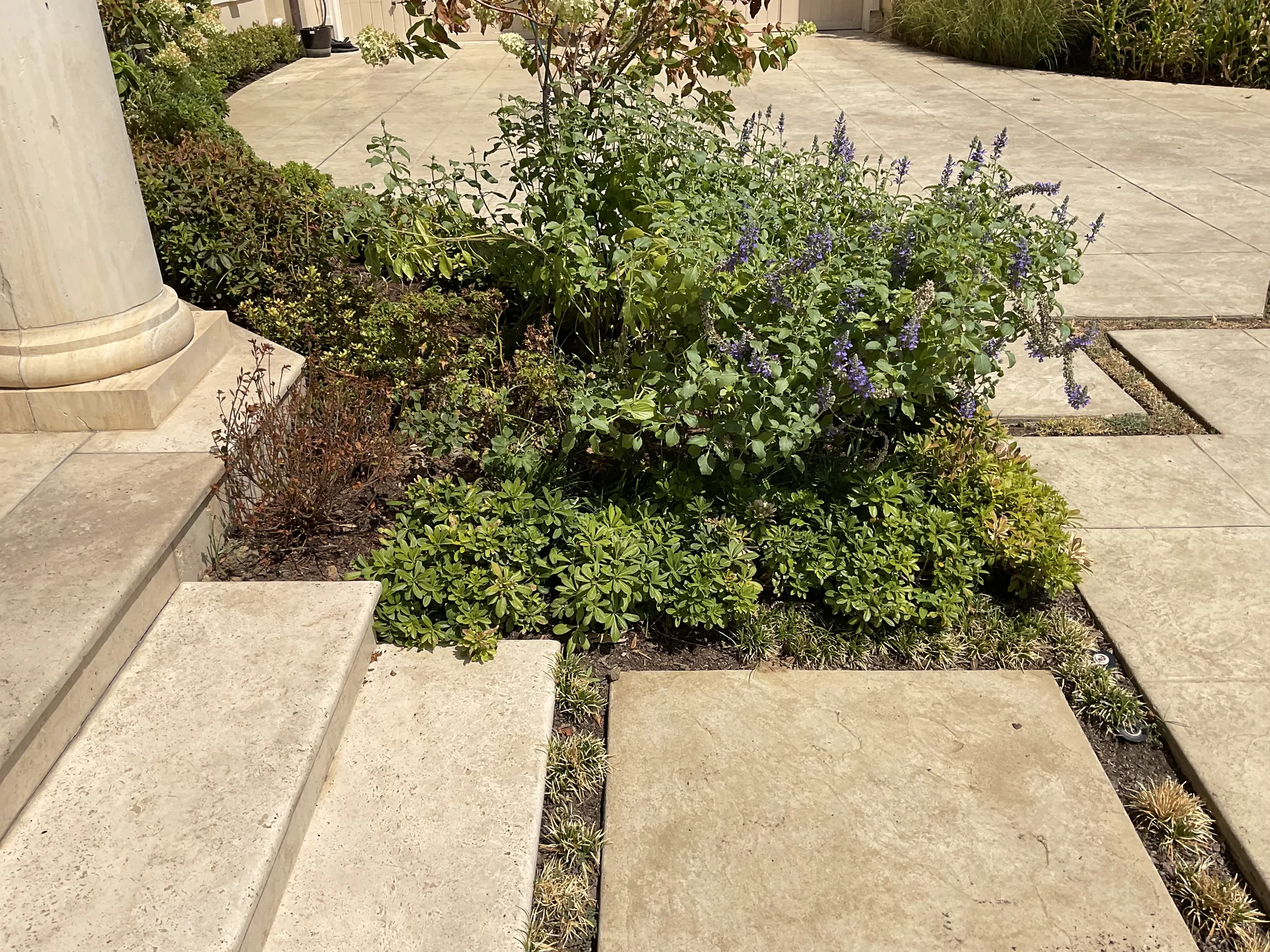
Perennials return year after year, dying back during winter freezes and erupting with fresh root growth each spring to deliver sustained color throughout the hottest months.
6. Blackfoot Daisy (Melampodium leucanthum)
A low-growing, mound-forming native perennial blanketed in honey-scented white daisy blooms with yellow centers from March until the first hard winter frost. It demands harsh, direct sunlight and thrives where traditional turfgrass fails.
- Mature Dimensions: 6–12 inches tall, 18–24 inches wide.
- Sun & Soil: Full sun; requires excellent drainage; avoid planting in low-lying soggy depressions.
- Water Needs: Minimal; zero supplemental irrigation needed once roots establish.
- Landscape Use: Rock garden ground cover, retaining wall spillover, and raised bed edging.
7. Purple Coneflower (Echinacea purpurea)
Renowned for its large rosy-purple petals radiating from a spiky copper cone, this native Texas prairie flower handles harsh afternoon sun while attracting bumblebees, butterflies, and goldfinches feeding on mature winter seed heads.
- Mature Dimensions: 2–3 ft tall, 1.5–2 ft wide.
- Sun & Soil: Full sun to partial shade; highly adaptable to heavy North Texas clay.
- Water Needs: Low to moderate; tolerates drought once deep taproots develop.
- Landscape Use: Perennial cottage borders and pollinator meadows.
8. Mealy Cup Sage (Salvia farinacea)
Featuring slender, velvety blue-violet flower spikes rising above clean gray-green leaves, native Mealy Cup Sage mimics Mediterranean lavender while performing significantly better in humid North Texas summer storms.
- Mature Dimensions: 2–3 ft tall, 18 inches wide.
- Sun & Soil: Full sun; tolerant of limestone clay, compacted soils, and urban heat.
- Water Needs: Low; deeply drought-hardy once rooted.
- Landscape Use: Mass bed plantings, foundation color strips, and mixed borders.
9. Texas Lantana (Lantana urticoides)
Unlike invasive tropical nursery hybrids, native Texas Lantana is fully perennial, cold-hardy down to Zone 8, and completely heat-immune. Its cheerful orange, red, and yellow multi-tone flower clusters bloom continuously from May through November.
- Mature Dimensions: 3–4 ft tall, 4–5 ft wide spreading mound.
- Sun & Soil: Full sun only; thrives in poor, rocky, or unamended clay soil.
- Water Needs: Extremely low; handles extreme heat reflection near asphalt and brick walls.
- Landscape Use: Slope stabilization, curb line planting, and sunny fence borders.
10. Skullcap (Scutellaria suffrutescens)
A compact, woody sub-shrub that forms dense green cushions smothered in small cherry-pink or lavender blooms. Skullcap provides clean, tailored curb appeal without requiring continuous deadheading or trimming.
- Mature Dimensions: 8–12 inches tall, 15–18 inches wide.
- Sun & Soil: Full sun to light afternoon shade; prefers well-drained bed ridges.
- Water Needs: Low; weekly irrigation during dry spells maintains heavy bloom density.
- Landscape Use: Bed edging, paver borders, and modern geometric landscape beds.
Category 3: Textural Ornamental Grasses
Grasses add acoustic movement, natural soft textures, and winter golden color to water-wise landscapes, filling bed space without demanding irrigation.
11. Gulf Muhly (Muhlenbergia capillaris)
A North Texas favorite celebrated for its explosive autumn display. In late September and October, fine green foliage is enveloped in a breathtaking haze of feathery, pinkish-purple seed plumes that shimmer in morning sunlight.
- Mature Dimensions: 2.5–3 ft tall and wide.
- Sun & Soil: Full sun; highly adaptable to both wet spring clay and dry summer conditions.
- Water Needs: Low; virtually maintenance-free once established.
- Landscape Use: Grouped drifts, driveway medians, and backdrop accents.
12. Little Bluestem (Schizachyrium scoparium)
An iconic Texas prairie bunchgrass featuring slender blue-green stems during spring and summer that transition into rich copper, mahogany, and bronze tones each autumn, crowned with fluffy white winter seed tufts.
- Mature Dimensions: 2–4 ft tall, 1.5–2 ft wide.
- Sun & Soil: Full sun; excels in poor, rocky, and lean soils without fertilizer.
- Water Needs: Very low; excessive watering causes stems to lodge or flop over.
- Landscape Use: Prairie restoration beds and modern architectural massings.
13. Blue Grama Grass (Bouteloua gracilis)
Famous for its horizontal, eyelash-like seed heads that suspend perpendicularly from slender stems, Blue Grama is a tough native bunchgrass that survives intense Texas heatwaves with zero pampering.
- Mature Dimensions: 12–18 inches tall and wide.
- Sun & Soil: Full sun; excels in compacted clay and gravel beds.
- Water Needs: Extremely low; deep, fibrous roots hold soil against erosion.
- Landscape Use: Native turf alternatives, meadow borders, and rock gardens.
14. Mexican Feather Grass (Nassella tenuissima)
Prized for its whisper-soft, golden-green threadlike foliage that catches the slightest breeze, creating gentle motion and tactile texture in modern and rustic landscapes alike.
- Mature Dimensions: 18–24 inches tall and wide.
- Sun & Soil: Full sun; requires sharp drainage; plant on sloped or bermed beds in heavy clay areas.
- Water Needs: Low; thrives in bone-dry summer conditions.
- Landscape Use: Contemporary entryway accents and gravel garden plantings.
15. Inland Sea Oats (Chasmanthium latifolium)
The premier native shade grass for North Texas properties. Produces distinctive flattened drooping seed heads resembling miniature sea oats that dance in the wind and transition from bamboo-green to golden bronze.
- Mature Dimensions: 2–3 ft tall, 2 ft wide.
- Sun & Soil: Partial shade to deep full shade; highly adaptable to damp or dry clay under mature trees.
- Water Needs: Low to moderate; significantly more drought-hardy than turfgrass in shaded yards.
- Landscape Use: Shaded side yards, tree root buffers, and dry creek bed banks.
Category 4: Structural Succulents & Specimen Trees
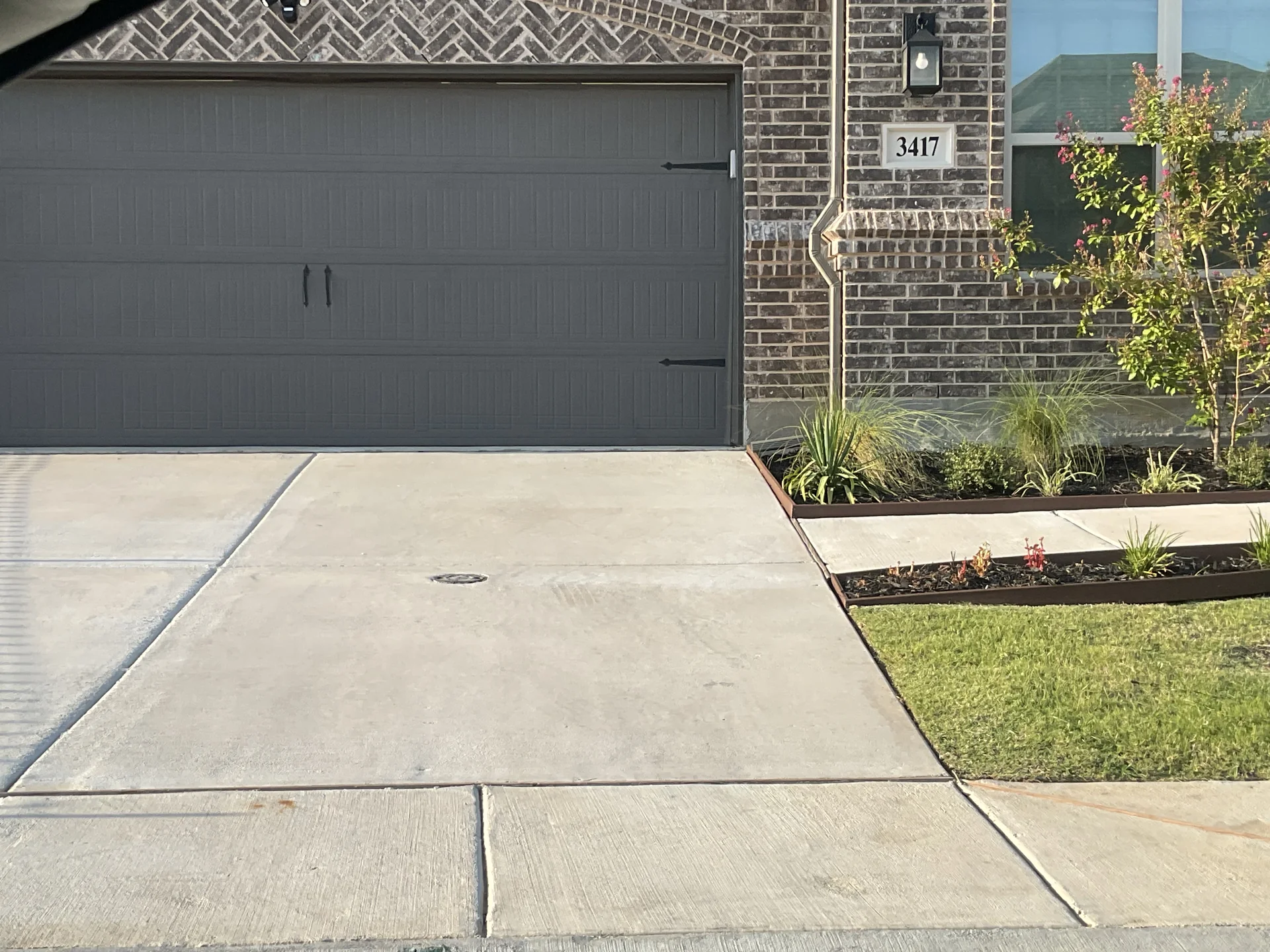
Specimens provide focal weight and permanent landscape geometry, anchoring your design through every season.
16. Red Yucca (Hesperaloe parviflora)
Not a true yucca, this thornless evergreen succulent features arching grass-like rosettes edged in delicate curly white threads. From May to September, it sends up 4-to-5-foot coral-red flower stalks that draw hummingbirds daily.
- Mature Dimensions: Rosette 2–3 ft tall and wide; flower spikes reach 4–5 ft.
- Sun & Soil: Full sun; virtually indestructible in alkaline soils, heat, and frost.
- Water Needs: Extremely low; needs zero irrigation once established.
- Landscape Use: Median plantings, pool surrounds, and driveway entries.
17. Desert Willow (Chilopsis linearis)
A fast-growing, multi-trunk small tree featuring slender willow-like leaves and fragrant, trumpet-shaped orchid-like flowers in shades of pink, burgundy, and white throughout the heat of summer.
- Mature Dimensions: 15–20 ft tall, 12–15 ft wide.
- Sun & Soil: Full sun; thrives in high heat and dry clay; prune in late winter to train form.
- Water Needs: Extremely low; deep taproot anchors the tree against high winds.
- Landscape Use: Small-space patio tree, street tree, and courtyard focal point.
18. Vitex / Chaste Tree (Vitex agnus-castus)
Frequently called the “Texas Lilac,” Vitex produces long spikes of fragrant lavender-blue blooms in early summer that re-flower if spent blooms are pruned away. Extremely resilient to urban pollution, heat, and drought.
- Mature Dimensions: 12–18 ft tall and wide.
- Sun & Soil: Full sun; adaptable to any soil with basic drainage.
- Water Needs: Low; handles weeks of high-heat dry spells without leaf loss.
- Landscape Use: Small specimen shade tree and pollinator magnet.
19. Possumhaw Holly (Ilex decidua)
A native deciduous holly that sheds its leaves in November to reveal bare branches packed with thousands of brilliant red or orange berries that glow throughout winter, providing essential nutrition for mockingbirds and cedar waxwings.
- Mature Dimensions: 10–15 ft tall, 8–10 ft wide.
- Sun & Soil: Full sun to partial shade; highly tolerant of seasonal swampiness and summer clay baking.
- Water Needs: Low; deeply adapted to North Texas climate swings.
- Landscape Use: Winter focal point and property boundary accent.
20. Soft-Leaf Yucca (Yucca recurvifolia)
An elegant, architectural accent plant with supple, weeping blue-green sword-shaped leaves that do not have rigid needle tips, making it safe for walkways, pool patios, and pet-friendly areas. Produces giant 5-foot panicles of bell-shaped creamy white flowers.
- Mature Dimensions: 4–6 ft tall and wide.
- Sun & Soil: Full sun to partial shade; handles both moist and bone-dry conditions.
- Water Needs: Very low; drought and cold hardy down to 0°F.
- Landscape Use: Architectural container specimen, front bed anchor, and modern hardscape framing.
Drought-Tolerant Species Quick Reference Matrix
| Plant Common Name | Type | Mature Height | Sun Exposure | Bloom Season | Deer Resistance |
|---|---|---|---|---|---|
| Texas Sage | Shrub | 5–8 ft | Full Sun | Summer–Fall | High |
| Flame Acanthus | Shrub | 3–5 ft | Full/Part Sun | Summer–Frost | High |
| Autumn Sage | Subshrub | 2–3 ft | Full Sun | Spring & Fall | High |
| Blackfoot Daisy | Perennial | 6–12 in | Full Sun | Spring–Fall | High |
| Purple Coneflower | Perennial | 2–3 ft | Full/Part Sun | Summer | Moderate |
| Texas Lantana | Perennial | 3–4 ft | Full Sun | May–Nov | High |
| Gulf Muhly | Grass | 2.5–3 ft | Full Sun | Autumn (Pink) | High |
| Inland Sea Oats | Grass | 2–3 ft | Part/Full Shade | Summer–Winter | High |
| Red Yucca | Succulent | 3–5 ft | Full Sun | May–Sept | High |
| Desert Willow | Small Tree | 15–20 ft | Full Sun | Summer | Moderate |
Soil Preparation & Establishment Guidelines for DFW Clay
Even the most drought-hardy native plant can struggle if planted improperly in unamended Blackland Prairie clay. Follow these installation best practices:
- Aerate and Amend the Root Zone: Till expanded shale, decomposed granite, and compost into dense clay beds to a depth of 6–8 inches. This creates internal aeration pores so roots don’t drown during spring rains before drying out in summer.
- Plant High on a Crown: Never plant root balls below grade. Set the top of the root collar 1 inch above the surrounding soil level, sloping soil away to shed excess standing surface moisture.
- Apply 3 Inches of Native Hardwood Mulch: Mulch moderates soil temperatures by up to 15°F during 100°F heat waves and locks in moisture, cutting evaporative water loss drastically. Keep mulch 2 inches away from plant stems.
- The Establishment Watering Curve:
- Weeks 1–4: Water deeply twice per week.
- Months 2–3: Water once weekly.
- Month 4 onward: Transition to bi-weekly or monthly deep cycle soakings during peak summer dry spells.
Transform Your Yard with Groundhogs Services
Ready to upgrade your property with a beautiful, resilient native landscape that slashes your summer water bills? The team at Groundhogs Services handles complete landscape design, bed preparation, native plant selection, and smart drip irrigation installation across North Texas.
Call us today at (214) 713-1228 or visit groundhogstx.com to schedule your on-site landscape consultation.