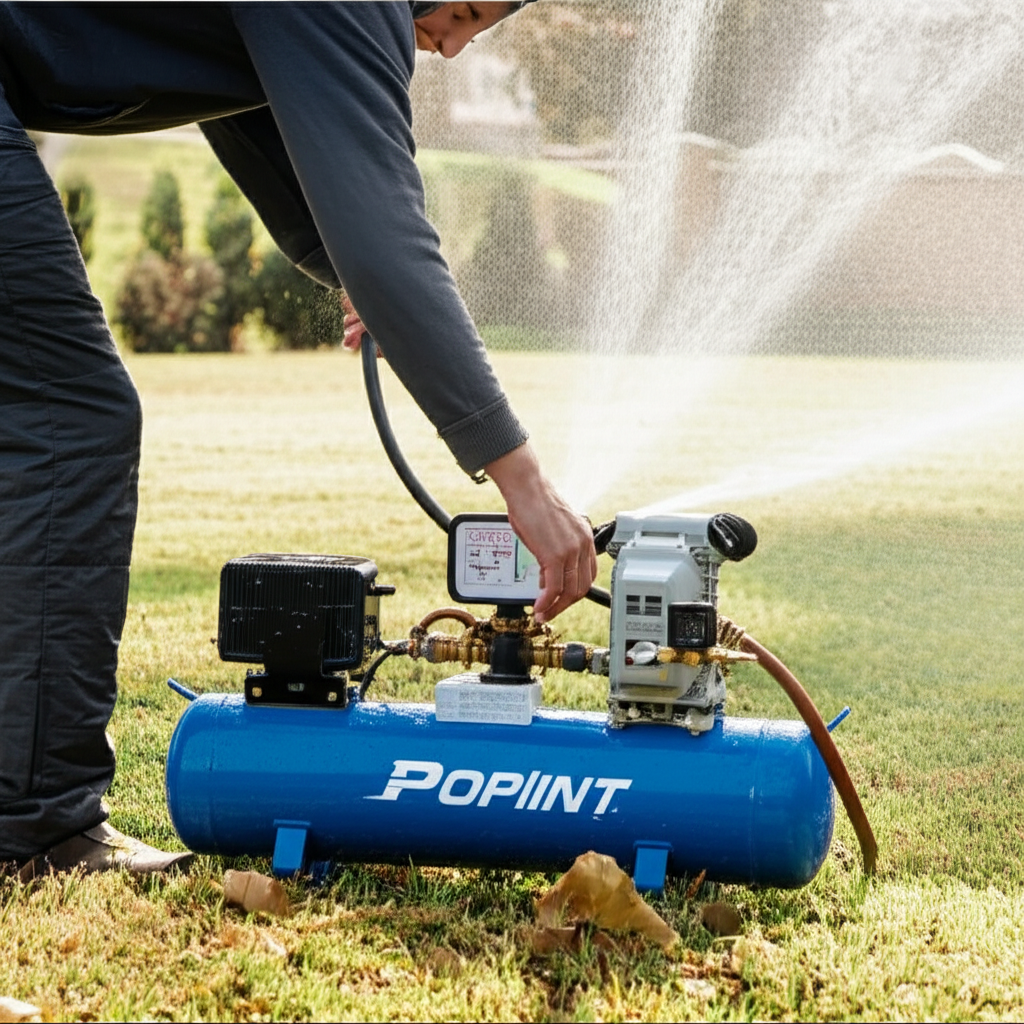
Unlike the Upper Midwest or Northeast, where landscaping companies spend September completely shutting down and blowing out underground irrigation systems for a five-month deep freeze, North Texas operates in a volatile hybrid climate.
In Dallas–Fort Worth, it is not uncommon to experience a sunny 72°F afternoon in mid-December followed 36 hours later by an Arctic front plunging temperatures into the teens. Because our winter freezes are intermittent rather than continuous, many homeowners make the costly mistake of doing nothing—until a hard freeze splits an above-ground backflow preventer, flooding the yard and resulting in emergency repair bills topping $800 to $1,500.
Here is your definitive, field-tested guide to winterizing your sprinkler system in North Texas, protecting your most vulnerable irrigation components, and avoiding foundation damage during the colder months.
The DFW Frost Line: What Actually Freezes Underground?
One of the most persistent misconceptions in DFW lawn care is that you must hire an industrial compressor to blow out every drop of water from your underground pipes before winter.
In North Texas, the geographic frost depth rarely exceeds 4 to 6 inches, even during multi-day sub-freezing weather events. Standard residential irrigation codes require lateral PVC sprinkler lines to be trenched and buried at a depth of 8 to 12 inches. Because surrounding soil acts as a thermal insulator, the water sitting inside deeply buried lateral pipes virtually never reaches freezing temperatures.
The true freeze danger zones in DFW are almost entirely above-ground or directly at the surface:
- The Above-Ground Backflow Preventer: Pressure Vacuum Breakers (PVBs) and Reduced Pressure Zone (RPZ) assemblies.
- Exposed Copper and PVC Risers: The vertical pipes rising out of the ground to supply the backflow device.
- Shallow In-Ground Valve Boxes: Plastic solenoid valves located just beneath thin, drafty lids.
- Drip Irrigation Manifolds & Vacuum Relief Valves: Surface-level fittings that retain unpressurized water.
The $1,200 Component: Protecting Above-Ground Backflow Preventers
Municipal plumbing codes across Dallas, Collin, Denton, and Tarrant counties require backflow preventers to protect the potable city water supply from cross-contamination. Under local code, a standard Pressure Vacuum Breaker (PVB) must be installed at least 12 inches above the highest sprinkler head on the property. Consequently, this assembly sits completely out in the open, fully exposed to freezing winds.
Constructed from cast bronze and containing internal plastic check valves, springs, and rubber diaphragms, a PVB will rupture with catastrophic force when trapped water expands as ice.
The 45-Degree Ball Valve Trick
Standard isolation shutoff valves on backflow assemblies are quarter-turn ball valves. A common mistake is turning them completely perpendicular (closed at 90°) or leaving them fully parallel (open at 0°). Both positions leave a microscopic cavity of water trapped between the brass valve body and the stainless steel ball. When that water freezes, it splits the valve casting down the side.
The Pro Rule: Once the water supply is shut off and the system is drained, position all backflow isolation handles at exactly a 45-degree angle. This opens the internal cavity on both sides, allowing any residual moisture to expand harmlessly into the open pipe without cracking the brass housing.
Insulation Specifications
Never rely on a simple towel or plastic trash bag to protect a backflow assembly during a hard freeze. Effective protection requires:
- Foam Pipe Insulation: Split polyethylene foam tubes (minimum 3/4-inch wall thickness) wrapped around all vertical and horizontal copper/PVC risers, secured tightly with heavy-duty weatherproof tape.
- Thermal R-Value Insulated Pouch: A dedicated, weatherproof, fiberglass-insulated backflow cover bag with an aluminum foil core and industrial Velcro base closure. Ensure the pouch covers the assembly down to soil level.
Step-by-Step DIY Freeze Protocol Ahead of an Arctic Blast
When the National Weather Service issues a Hard Freeze Warning or temperatures in DFW are forecasted to stay below 28°F for more than 4 consecutive hours, execute this protocol:
Step 1: Shut Off Main Water Supply to Irrigation
Locate your dedicated irrigation isolation gate or ball valve. This is usually located in a round or rectangular in-ground valve box near the water meter at the street curb, or on the exterior plumbing riser near your hose bib. Turn the valve clockwise or perpendicular to the pipe line to stop incoming water flow.
Step 2: Relieve Pressure and Drain the Backflow Assembly
Locate the small slotted test cocks on the side of the backflow preventer. Using a flathead screwdriver, open test cocks #1, #2, #3, and #4 by turning the screws one-quarter turn. Water will hiss and squirt out under pressure for a few seconds as the assembly depressurizes. Leave them open at a 45-degree angle.
Step 3: Drain the Lower Petcock (If Equipped)
Many North Texas installations feature a small brass bleed petcock or threaded drain cap on the riser pipe below the backflow. Place a small container underneath, open this drain cap, and let all gravity water drain out of the vertical column.
Step 4: Deactivate the Smart Controller
Never turn off the main circuit breaker to your irrigation controller, as this resets clock schedules on older units. Instead, switch your controller dial or smartphone app to “Rain Mode” or “Seasonal Off”. This ensures the timer will not trigger high-pressure cycling through frozen sprinkler heads.
Protecting Shallow In-Ground Valve Boxes
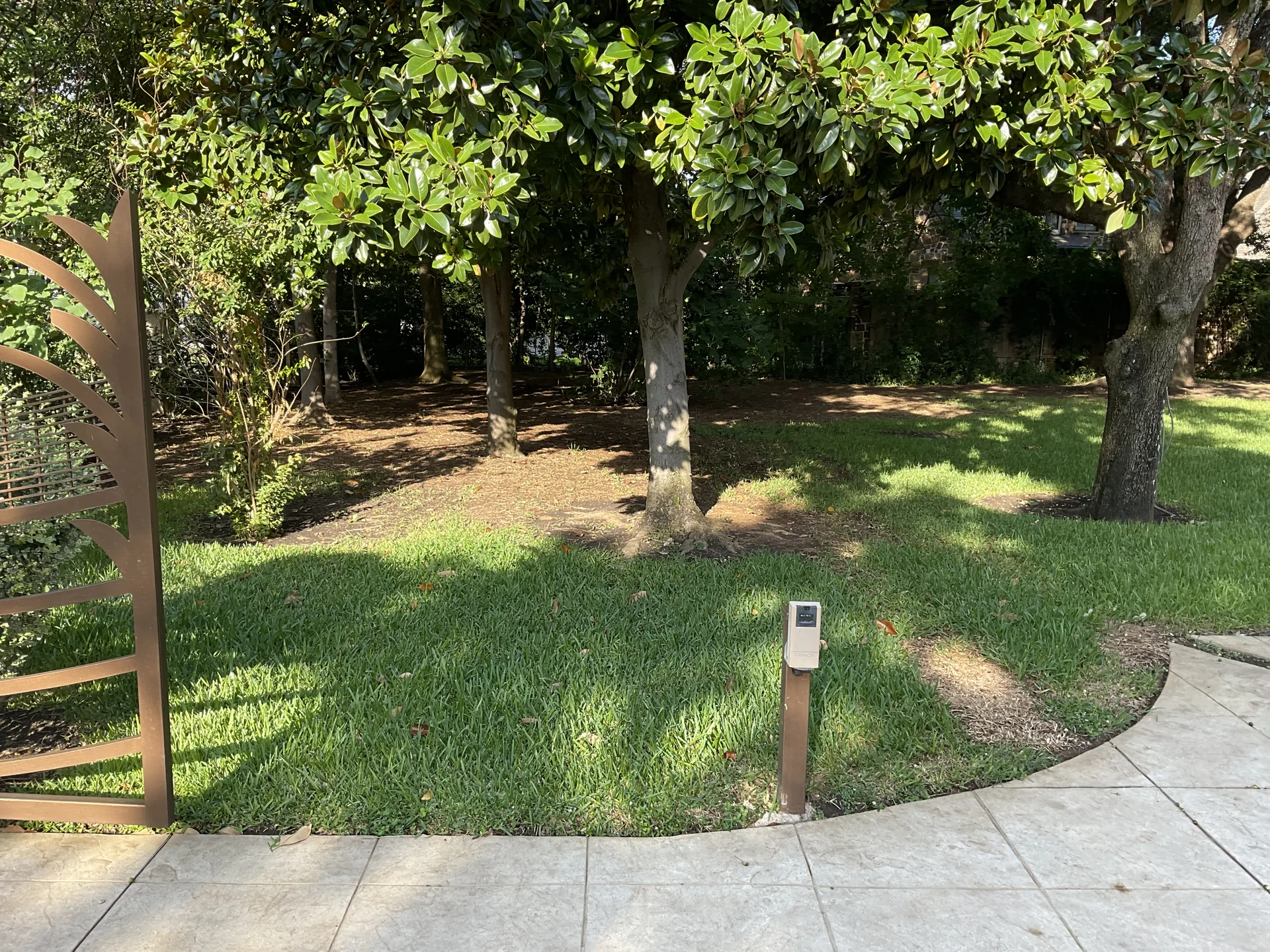
Your electronic zone control valves live in plastic boxes embedded in your lawn. While they sit below grade, cold air easily drafts through the finger holes in the green plastic lids. During single-digit freezes (like Winter Storm Uri), sub-surface cold air can crack the plastic valve bonnets or shatter electronic solenoids.
How to Protect Them: Remove the lid, place an empty plastic trash bag inside the box, fill it loosely with crumpled newspaper, straw, or a section of fiberglass batt insulation, tie it closed, and replace the lid. This thermal plug prevents cold air circulation while keeping insulation dry and easy to remove in spring.
Foundation Watering in Winter: Don’t Let Clay Dry Out
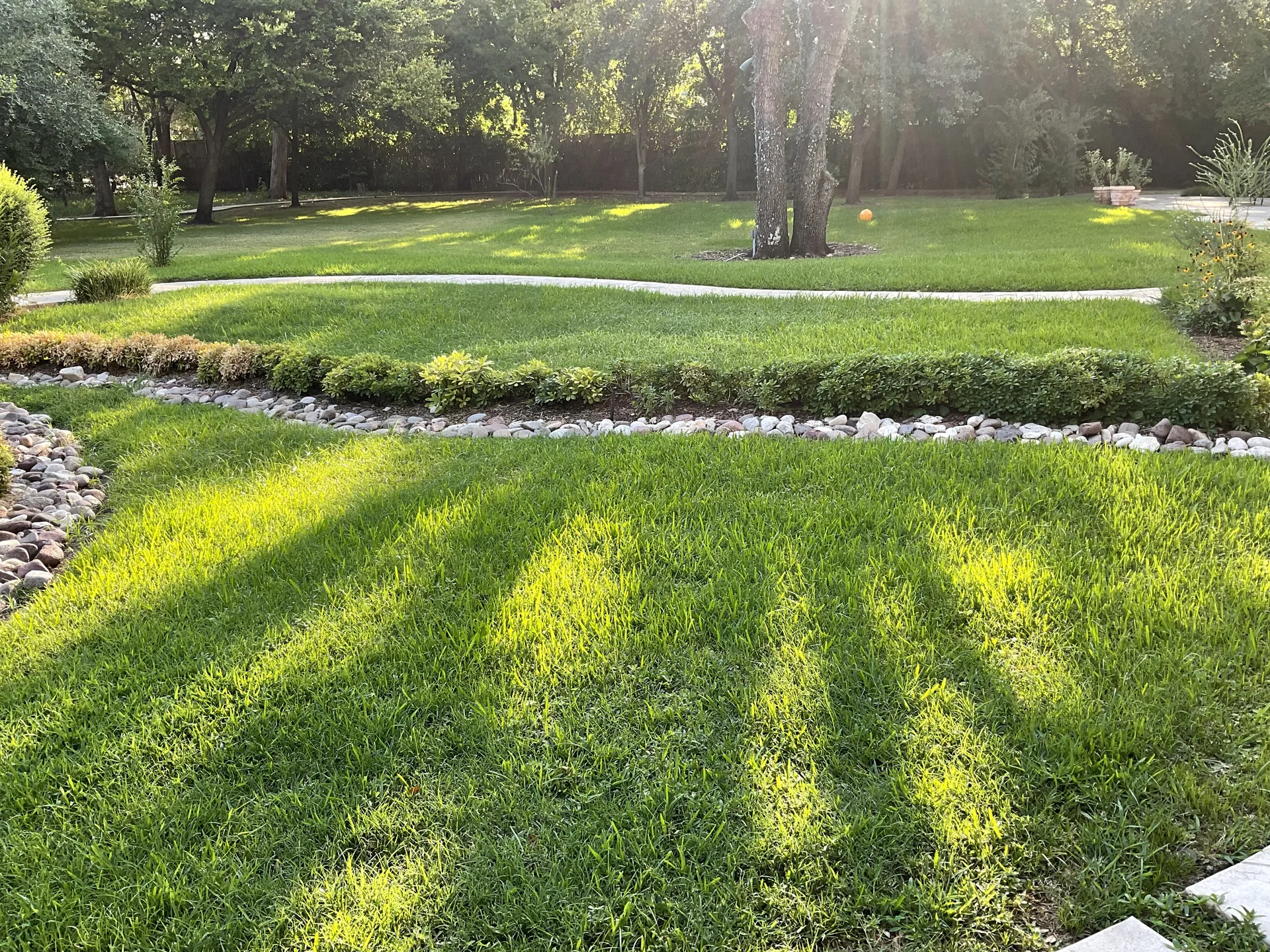
Perhaps the most dangerous mistake North Texas homeowners make during winter is completely turning off foundation soaker hoses and irrigation from November through March.
Texas Blackland Prairie clay soil does not stop shifting just because it is winter. In fact, cold winter cold fronts often bring dry, biting winds with humidity levels dropping below 20%. These winds rapidly wick moisture out of the top 12 inches of soil around your foundation perimeter.
When clay soil desiccates in winter, it pulls away from the concrete slab edge, leaving a visible gap. When heavy spring rains return, water rushes down that gap directly under the foundation grade beams, causing uneven swelling and costly structural settling.
The Winter Foundation Watering Routine
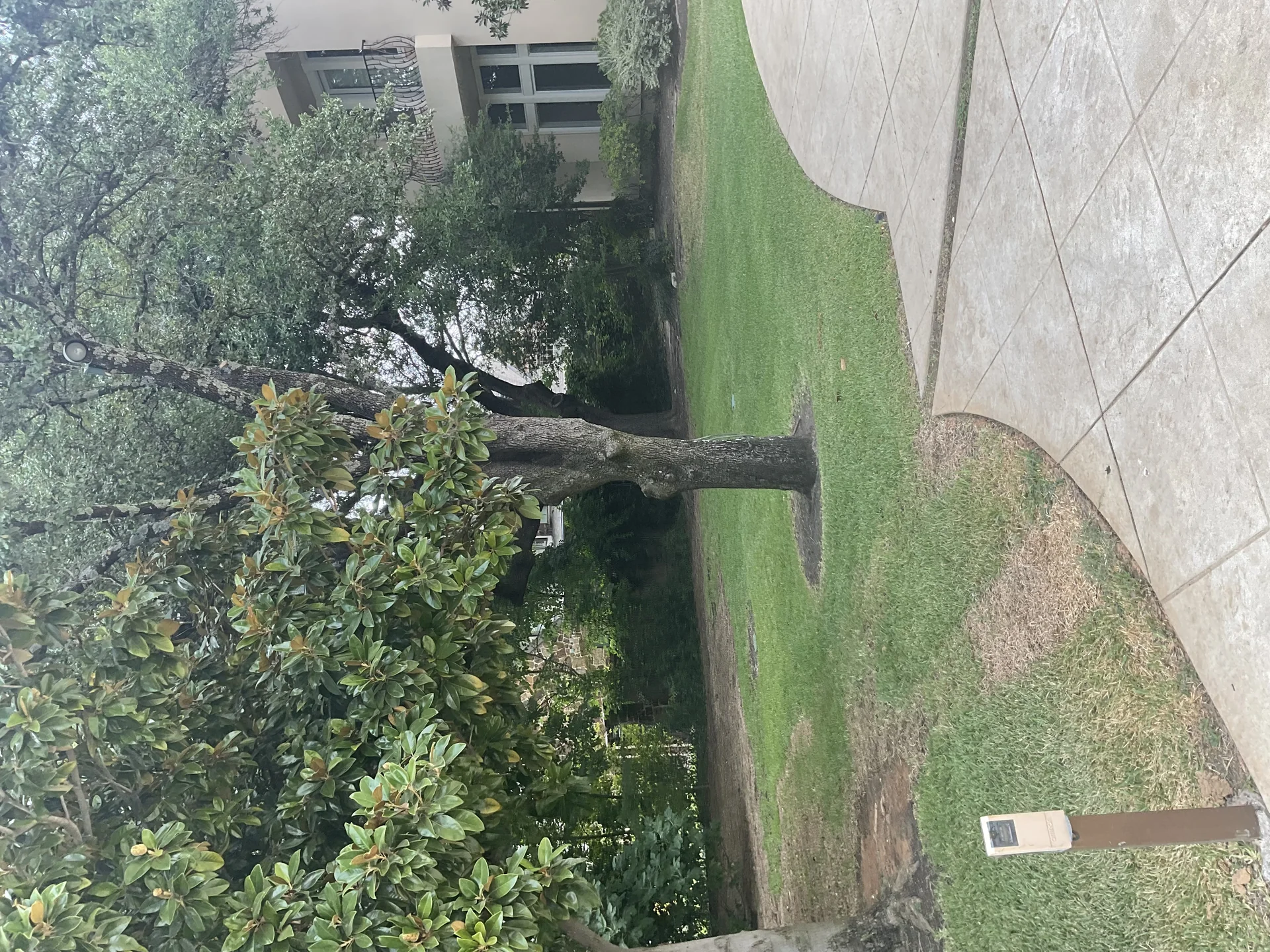
- Maintain a steady, moist soil perimeter (comparable to a wrung-out sponge) 12 to 18 inches away from the foundation wall.
- During mild stretches (temperatures above 50°F with no rain for 2–3 weeks), run foundation drip lines or soaker hoses for 15 to 20 minutes during midday.
- Always check weather forecasts before watering: ensure temperatures will remain well above 35°F for at least 24 hours after application so surface water does not freeze into ice sheets.
Rain/Freeze Sensors & Local City Rebates
Texas state law (Texas Administrative Code Title 30, Chapter 344) requires all automatic irrigation systems installed after 2009 to be equipped with an operational rain and freeze sensor. These sensors automatically override controller programming when temperatures drop below 37°F, preventing your sprinklers from coating neighborhood streets and sidewalks in sheets of black ice.
If your system lacks a functioning freeze shutoff, or if your sensor is over five years old, municipal water providers throughout North Texas—including Dallas Water Utilities, the City of Plano, Frisco, and Fort Worth—offer substantial conservation rebates (often $50 to $125+) for retrofitting modern wireless rain/freeze sensors or EPA WaterSense certified smart controllers.
Prepare Your System Before the First Freeze
Winterizing your irrigation system in North Texas takes less than an hour, but it saves thousands of dollars in springtime plumbing repairs, water waste, and foundation movement.
Need a professional winterization audit, backflow insulation package, or smart freeze-sensor installation before the cold fronts hit? Contact the irrigation specialists at Groundhogs Services today to safeguard your system all winter long.